
Reviewed · XI'AN AND TERRACOTTA ARMY DAY TRIPS FROM BEIJING
10-Day China Tour to Beijing, Xian, Chengdu and Shanghai
The Great Wall at Mutianyu and the Terracotta Army give this tour its big moments, but the route also makes room for pandas, old alleyways, Islamic architecture, imperial gardens, and Shanghai’s modern skyline. In ten days, you get a brisk but well-planned introduction to four very different Chinese cities.
I like the practical design: private touring with guides and drivers means you are not left to solve every transfer yourself, and the included high-speed trains make the long journey from Beijing to Xi’an and Chengdu far easier. I also like the mix of famous sights and local corners, especially Beijing’s hutongs, Xi’an’s Muslim Quarter, and Chengdu’s Xiaojiahe residential district.
The drawback is the pace. You change cities several times, take two long train rides, and fly from Chengdu to Shanghai. The tour suits an active visitor who wants to see a lot, but it will feel rushed if you prefer slow mornings and unplanned afternoons.
Key points at a glance
- Mutianyu Great Wall: Round-trip cable car service is arranged, making this one of the more accessible ways to reach the wall.
- Four major cities: Beijing, Xi’an, Chengdu, and Shanghai each bring a different side of China.
- Private service: Only your group takes part, with professional guides, drivers, and an air-conditioned vehicle.
- Two long high-speed trains: The Beijing to Xi’an ride takes about 4.5 hours, and Xi’an to Chengdu takes about 4 hours.
- Early panda visit: The morning schedule is intentional, since pandas are more active earlier in the day.
- Large inclusions: Hotels, nine breakfasts, three lunches, admissions, train tickets, and the Chengdu to Shanghai economy flight are covered.
Why this route works for a first China visit
This trip packs several headline sights into one continuous journey. Beijing gives you imperial China and the Great Wall. Xi’an shifts the focus to ancient military power, city walls, and Muslim culture. Chengdu brings giant pandas and a more ordinary neighborhood visit. Shanghai closes the trip with river views, old streets, and modern China.
I like that the route does not treat China as one single experience. The ceremonial spaces of Beijing feel formal and monumental. Xi’an is more layered, with a city wall, a mosque, food stalls, and Tang-style night streets. Chengdu offers a quieter local stop after the panda base. Shanghai then moves you into a very different urban world.
At $2,979 per person, the price is not budget travel. Yet it covers more than guided sightseeing. You get twin-share hotel accommodation, airport transfers, private vehicle service, two domestic train journeys, one domestic flight, nine breakfasts, three lunches, bottled water, and admission to the principal sights. For a private ten-day trip across four cities, that package can be good value if you want the logistics handled.
You still need to budget for international airfare, a China visa, gratuities, and several meals. The listed lunch at the Xiaojiahe residential district is at your own cost, and the fare for the Bird’s Nest is not included. Read the inclusions carefully before comparing prices with a cheaper-looking package.
More Xian and Terracotta Army day trips from Beijing:
- Beijing to Xi’an See Terracotta Warriors with Bullet Train Round Trip Transfer
★ 5.0 · 238 reviews - Beijing: Xi’an Terracotta Tour by Train-All Tickets Included
★ 5.0 · 27 reviews - 8-Day All-inclusive Private Tour to Beijing, Xi’an and Shanghai
★ 5.0 · 27 reviews
Beijing begins with imperial China
Your first day is deliberately light. A guide meets you at the airport and transfers you to the hotel, leaving the rest of the day free. That is useful after a long international flight, especially because you can settle in rather than race straight into sightseeing.
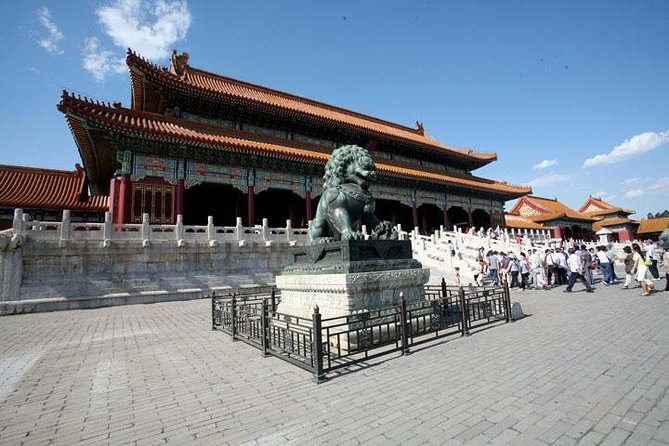
Day two is the most concentrated Beijing sightseeing day. Tiananmen Square is a short first stop, followed by about three hours inside the Forbidden City. Give this visit your attention. The palace complex is not just a collection of grand buildings. It helps you understand how the emperor’s political and domestic worlds were arranged, with halls and courtyards laid out for ceremony, power, and daily court life.
The day continues at Yonghe Temple, also called the Lama Temple. Its architecture reflects Han, Manchu, Mongolian, and Tibetan influences, so it offers a useful contrast to the strictly imperial design of the Forbidden City. You then visit the Temple of Heaven, where emperors worshipped the heavens and prayed for good harvests.
This is a full day with little dead time. Lunch is included on three days of the tour, but the schedule does not say that every lunch is covered, so you should expect some meals to be your own responsibility.
Mutianyu, the Bird’s Nest, and Beijing’s hutongs
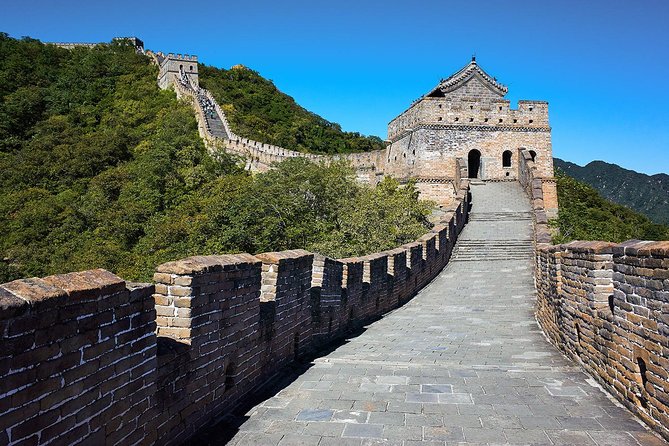
The Great Wall day starts with Mutianyu, one of the trip’s major highlights. The visit lasts about three hours, and a round-trip cable car is arranged. That matters because reaching the wall involves an uphill approach, and the cable car saves energy for walking along the fortifications themselves.
You will have time to take in the wall’s long ridges and distant views, though the exact walking distance depends on your group and guide. Wear shoes with a firm grip. The wall is not a flat promenade, and stairs can make this outing more demanding than the cable car detail first suggests.
Back in central Beijing, you stop at the Bird’s Nest National Stadium for about 20 minutes. Admission is not included, and the visit is mainly for exterior photographs. It is a short stop, but it gives you a look at the city’s Olympic-era architecture without taking half a day from the older sights.
The afternoon ends with a rickshaw tour through hutongs, Beijing’s narrow residential lanes lined with old courtyard homes. This is one of the itinerary’s best choices because it shifts you away from palace scale and into a more human setting. The one-and-a-half-hour visit lets you see a quieter side of the capital, though the rickshaw portion is brief compared with the city’s vast hutong districts.
The Summer Palace and a useful high-speed train
Day four opens at the Summer Palace, the largest surviving imperial garden in China. Plan on about two hours here. You will see a combination of pavilions, water, gardens, and imperial buildings that feels less formal than the Forbidden City.
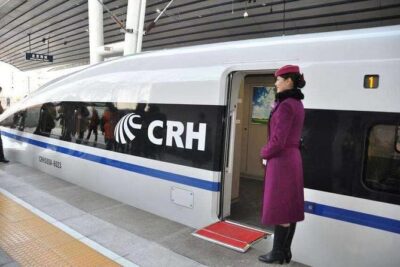
Afterward, you take a high-speed train to Xi’an, a journey of roughly 4.5 hours. This is a smart use of China’s rail system. Instead of spending the day on a road, you move between cities in a reserved train journey and arrive ready for the next stage.
The tour advises bringing fruit or snacks and something to read or watch. Take that advice. Even a comfortable train ride is still a long transfer, and the included package does not list train meals.
A completely different kind of day in Beijing:
- From Beijing: Mutianyu Great Wall Tours with Options
★ 4.9 · 9,216 reviews - Beijing: Forbidden City Tour(Group/Private)-Tickets Included
★ 4.8 · 7,974 reviews - Beijing: T-Square & Forbidden City Group or Private Tour
★ 4.8 · 4,446 reviews - All-Inclusive Tour: Tiananmen Square, Forbidden City, Great Wall
★ 5.0 · 2,873 reviews
Xi’an and the Terracotta Army
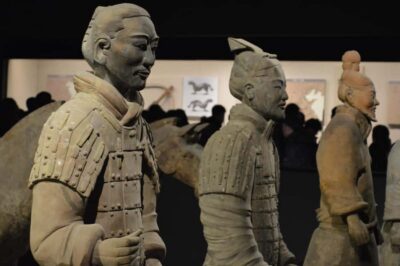
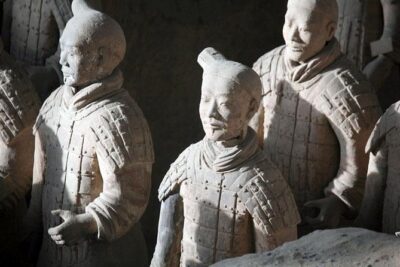
The Terracotta Army receives four hours on day five, which is appropriate. The museum displays three excavated pits filled with clay warriors, horses, and ancient weapons. The scale is the main lesson here, but do not rush past the individual figures. Their faces, clothing, and poses vary, giving the army a human quality despite its enormous size.
The visit is outside the central city, so having a guide and private vehicle saves time and removes the need to work out transport on your own. After the museum, you return to Xi’an for the Giant Wild Goose Pagoda, a brick structure with more than 1,300 years of change behind it. The one-hour visit gives you a compact look at one of the city’s best-known religious landmarks.
The day finishes at Grand Tang Dynasty Ever Bright City, a popular pedestrian area south of the pagoda. People dress in traditional clothing, and the setting presents a modern recreation of Tang-era style. It can feel more staged than the pagoda or city wall, but it adds evening atmosphere and gives you a different way to see how Xi’an presents its past.
Xi’an’s city wall, mosque, and food quarter
Day six is one of the most varied days on the tour. You begin at the City Wall Park and then visit Xi’an’s city wall, described as the most complete surviving urban fortification in China. The total visit lasts about 2.5 hours, so you have time to appreciate both the structure and the daily city life around it.
The Great Mosque is a short visit of about 30 minutes. Its importance comes from its age, size, preservation, and Islamic setting within Xi’an. It also shows that the city’s past was shaped by more than imperial courts and armies.
Next comes the Muslim Quarter, where you have free time to try halal food and browse handicrafts. This is one of the few places where the schedule gives you room to choose your own meal. Use it. The food is not included, but the chance to eat independently adds a welcome break from fixed sightseeing.
Later, another high-speed train carries you from Xi’an to Chengdu in about four hours. Your Chengdu guide meets you at the railway station, which is especially helpful after a long day that already includes several stops.
Chengdu starts early with giant pandas
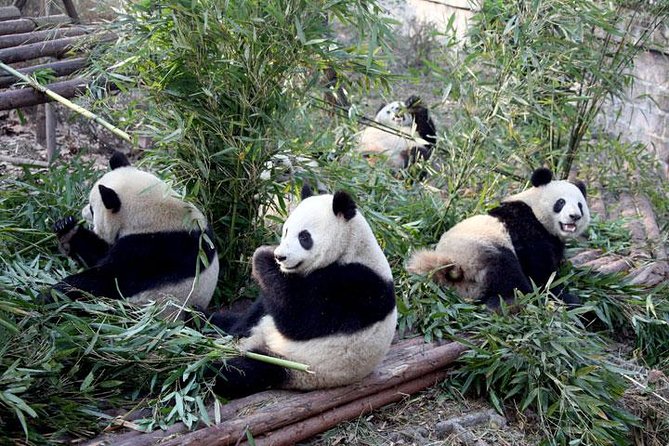
The Giant Panda Breeding Research Base is the reason many people will choose this route. Your pickup is earlier than on other mornings because pandas are more active early in the day. Pay attention to that timing. The two-hour visit is short enough that you should arrive ready to move rather than linger over breakfast.
The panda base provides the tour’s gentlest major sight. After two days of fortifications, excavated armies, and imperial buildings, watching China’s endangered giant pandas offers a change of mood. The visit is organized around seeing the animals, not just checking a famous name off your list.
The afternoon heads to Xiaojiahe Residential District, where you spend about three hours doing something closer to ordinary neighborhood life. Lunch at Yongle Restaurant is at your own cost, and this is another useful chance to choose what you want to eat. The stop may be less famous than the panda base, but it helps balance the trip with a look at how residents spend time away from the major monuments.
Shanghai by air, then straight to the Bund
Day eight includes a flight from Chengdu to Shanghai in economy class. The schedule allows about three hours for the airport transfer and arrival process, followed by hotel check-in with your local guide. Domestic flying adds another change of pace, but it is much more practical than trying to continue overland at this point.
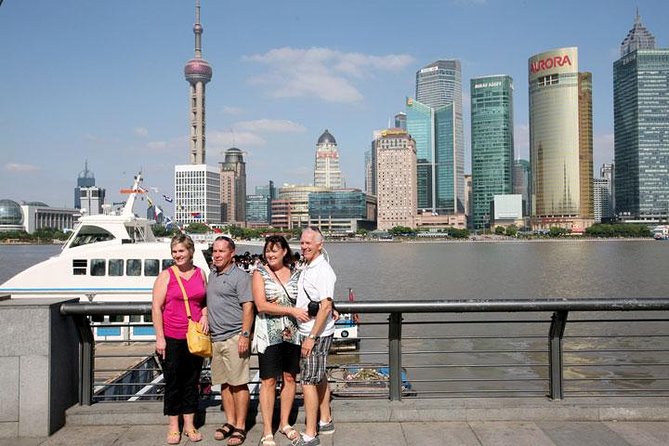
The Bund is your first Shanghai sight. Its west-bank buildings preserve European architectural styles from the city’s early twentieth-century period. You then take a one-hour cruise on the Huangpu River, where the city’s older riverfront and modern towers appear together.
I like this pairing because the Bund can be confusing if you only walk along it and look outward. From the boat, you get a clearer sense of Shanghai’s two faces, the historic buildings on one side and the modern skyline on the other.
Shanghai Museum, Yu Garden, and Zhujiajiao
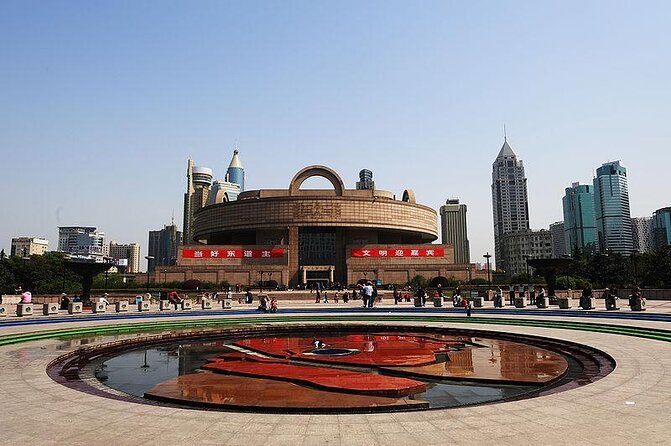
Day nine begins at the Shanghai Museum, one of China’s major museums, with displays devoted to art from ancient periods. Two hours is enough for an introduction, but not enough to see everything in depth. If you have a particular interest in art, ask your guide where to focus rather than trying to cover every room.
Yu Garden follows. The Nine Zigzag Bridge and mid-lake pavilion are the main visual details highlighted for this visit. The garden is a compact, designed space, so expect crowds and a steady pace through its paths. A farewell lunch is planned around noon, with an a la carte format and value based on the arrangement, so confirm what is covered with your guide.
In the afternoon, you leave central Shanghai for Zhujiajiao Ancient Town. It is known for riverside residences and an older feel than the city center. The two-hour visit provides a useful contrast to Shanghai’s towers and traffic, although the extra drive means this is another full day.
What the price includes, and what it does not
For $2,979, the strongest value comes from the transportation. You receive:
- Twin-share hotel accommodation
- High-speed train travel from Beijing to Xi’an
- High-speed train travel from Xi’an to Chengdu
- Economy airfare from Chengdu to Shanghai
- Airport and station transfers
- Professional guides and experienced drivers
- Air-conditioned vehicle service
- Nine breakfasts and three lunches
- Two bottled waters per person per day
- Admission to the principal listed attractions
You pay separately for international airfare, visa fees, gratuities, some meals, and the Bird’s Nest admission. Gratuities for guides and drivers are recommended, so include them in your planning.
The tour is private, but it requires at least two people per booking. That gives you the benefit of traveling only with your own party, without the uncertainty of a large coach group. It also means the price is designed around two-person participation and twin-share rooms.
Who should book this China tour?
I would choose this tour if you are visiting China for the first time and want the major sights organized from arrival to departure. It is especially useful if you do not want to manage Chinese train stations, domestic flights, airport pickups, and hotel transfers on your own.
You should be comfortable with early starts, four-hour train rides, several hotel changes, and full sightseeing days. The tour is not suitable for people over 80, and although most people can participate, the Great Wall and city wall visits still require a reasonable level of mobility.
The private format is a strong point for couples, families, or small groups who want guidance without sharing every meal and transfer with strangers. One earlier itinerary included a guide named Emily at the Beijing arrival, but guide assignments can vary by date and city.
Should you book it?
Book this tour if you want a broad first look at China and value transport, admissions, and local guides more than free time. The route covers the Great Wall, Forbidden City, Terracotta Army, pandas, Shanghai’s riverfront, and several smaller cultural stops in just ten days.
Skip it if you want long stays in one city, independent food exploration, or a flexible schedule. For most first-time visitors with limited vacation time, I find the mix worthwhile, as long as you accept the brisk pace and plan for extra meals, tips, visa costs, and international flights.
FAQ
How long does the tour last?
The tour lasts approximately 10 days, from arrival in Beijing through departure from Shanghai.
Which cities does the tour visit?
The route includes Beijing, Xi’an, Chengdu, and Shanghai.
Is airport pickup included?
Yes. Airport pickup and transfers are included at arrival in Beijing, during the Chengdu to Shanghai transfer, and for departure from Shanghai according to your international flight schedule.
Are hotel accommodations included?
Yes. Hotel accommodation based on twin-sharing rooms is included.
Is the tour private?
Yes. This is a private activity, and only your group participates.
How many people are required to book?
A minimum of two people per booking is required.
Are train tickets included?
Yes. One high-speed train journey from Beijing to Xi’an and one from Xi’an to Chengdu are included.
Is the Chengdu to Shanghai flight included?
Yes. One economy-class flight from Chengdu to Shanghai is included.
Are meals included?
Nine breakfasts and three lunches are included. Other meals, including the lunch at Xiaojiahe Residential District, are not fully covered by the listed inclusions.
Are attraction admission fees included?
Admissions are included for the main listed attractions, including the Forbidden City, Lama Temple, Temple of Heaven, Mutianyu Great Wall, Terracotta Army, Giant Wild Goose Pagoda, Xi’an City Wall, Giant Panda Breeding Research Base, Huangpu River cruise, Shanghai Museum, Yu Garden, and Zhujiajiao. Bird’s Nest admission is not included.
Is the Great Wall cable car included?
The itinerary says round-trip cable car service at Mutianyu will be arranged, and the Great Wall admission is included.
What documents are needed at booking?
Passport name, passport number, expiry date, and country are required for every participant at the time of booking. You also need a current valid passport on the day of the tour.
Are visa fees included?
No. China visa fees are not included.
Is international airfare included?
No. The package includes the domestic Chengdu to Shanghai flight, but not international airfare.
Just added around Beijing
- Xian: Must see Eternal Love or Camel Bell Legend show Ticket★ 5.0 · 3 reviews
- Beijing: 2-Day private Tour with Great wall& Forbidden city★ 5.0 · 5 reviews
- Xian: Bus Tour of Terracotta Warriors With Guide & Lunch★ 4.2 · 5 reviews
- 2-Day Beijing Must-See Tour:4 UNESCO Sites+Tian’anmen&Hutong★ 5.0 · 4 reviews
- Private Transfer to Mutianyu Great Wall with professional driver★ 5.0 · 19 reviews
- Twilight Glow at Badaling Great Wall Evening Bus Tour+Ticket★ 4.9 · 11 reviews
- Yuxiandu Chinese Royal Cuisine Museum with Show and Royal Banquet★ 5.0 · 4 reviews
- ZANBUS: Trip to the Jinshanling Great Wall Departing at 7:30 AM★ 5.0 · 5 reviews
Xi'an and Terracotta Army Day Trips from Beijing, compared.
Beijing to Xi’an See Terracotta Warriors with Bullet Train Round Trip Transfer
Read our review →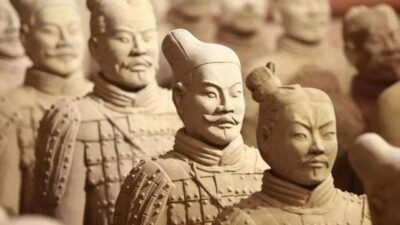
Xi’an Terracotta Tour by Train-All Tickets Included
Read our review →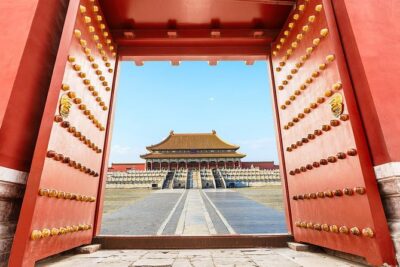
8-Day All-inclusive Private Tour to Beijing, Xi’an and Shanghai
Read our review →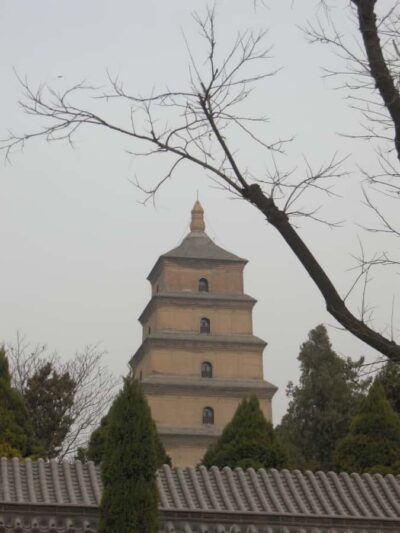
Beijing to Xi’an Terracotta Tour by Roundtrip Bullet Train
Read our review →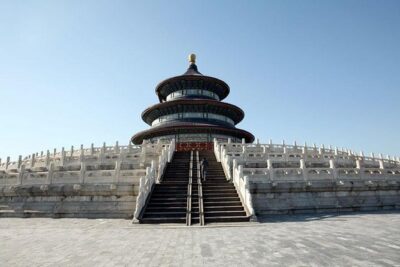
Private China Tour to Beijing, Xi’an, Zhangjiajie and Shanghai
Read our review →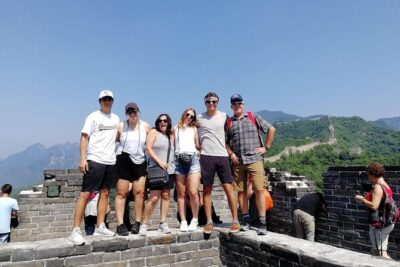
Browse the lists this tour appears in