Reviewed · BEIJING SIDECAR TOURS
4 Hours Private Discover Beijing Tour by Sidecar
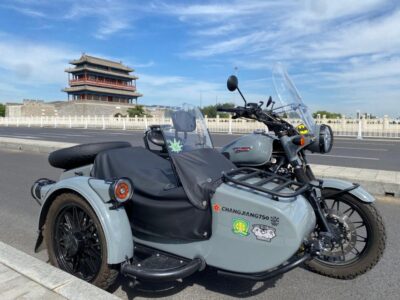
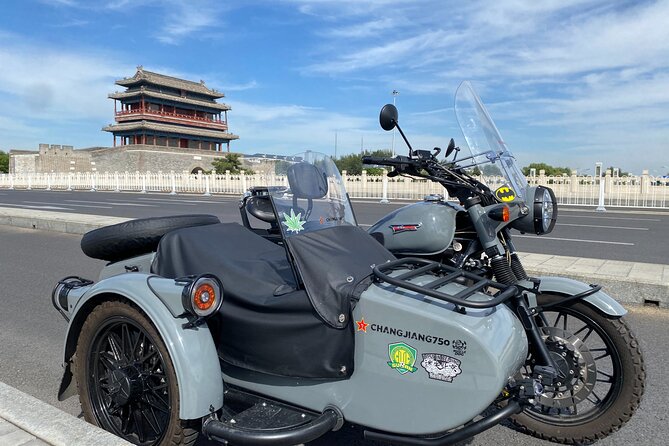
Beijing is easier to understand from a sidecar than from the back seat of a car. You move through narrow hutong lanes, open avenues, old temple districts, and everyday neighborhoods without losing sight of the city around you. John, also called Johnny in some tour details, leads the ride and adjusts the route when you want more local streets or more famous sights.
I especially like the access to places a larger vehicle cannot reach, and the mix of major landmarks with ordinary Beijing life. Houhai, Niujie, and the hutongs give the tour a stronger local flavor than a simple drive between headline attractions. The main catch is that four hours goes quickly, and the open motorcycle format depends on good weather.
Key points to know before booking
- A sidecar gives you a close view of Beijing: You ride through hutongs and central streets at street level, not behind a bus window.
- The route links old Beijing districts: Stops include the Bell and Drum Towers, Houhai, Baita Si, Niujie Mosque, Yongding Gate, and the Ming city wall.
- John or Johnny leads the private tour: You receive commentary through communication equipment, with time for questions and photos.
- Two people share one sidecar setup: One person sits in the sidecar and one rides behind the driver, with a switch halfway through.
- Hotel pickup and practical gear are included: You get helmets, bottled water, a raincoat, phone charging cable, and local fast food or snacks.
- This is best as an orientation tour: It gives you a broad first look at Beijing, though it does not allow long visits inside every site.
Why a Sidecar Works So Well in Beijing
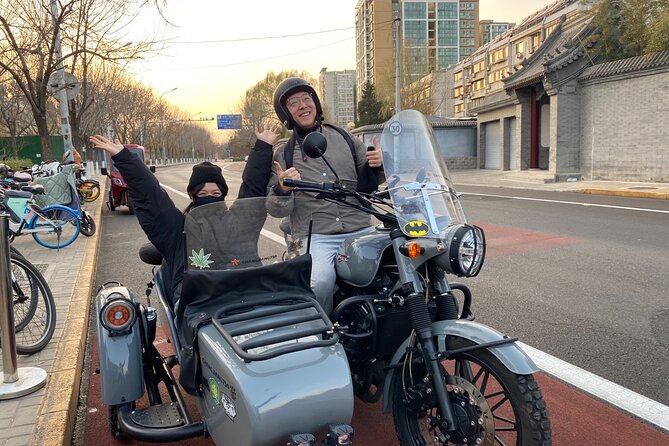
The great advantage here is movement. Beijing can feel enormous when you cross it by car, yet its older districts reveal themselves one lane at a time. A sidecar lets you pass from a broad central road into a narrow hutong, pause for a photograph, then continue toward a temple or lake without spending the whole morning walking between distant areas.
You are close to the street, so the ride feels more immediate than a standard sightseeing vehicle. You can see doorways, small shops, walls, bicycles, and bits of daily life as you pass. The tour is not just a list of monuments. It is a way to understand how old residential lanes fit beside Beijing’s formal central axis.
This is a private activity, so only your group participates. That matters because the pace can be more flexible than on a large group tour. John has also adjusted routes around the sights you want to see, combining personal requests with his own suggestions.
The ride begins around 9:30 a.m. and lasts about four hours. That is enough time to get your bearings and visit several districts, but not enough to linger at every stop. Think of this as a broad introduction, not a full museum or temple tour.
More sidecar tours in Beijing:
- 2-Hour “Ancient & Modern” Beijing Sidecar Tour (Day /Night)
★ 5.0 · 36 reviews - Beijing:Ancient & Modern City Tour by Sidecar(Day/Night)
★ 4.9 · 15 reviews - Beijing: 4 hours Discover City by Sidecar
★ 5.0 · 6 reviews
Bell and Drum Towers: Beijing’s Central Axis
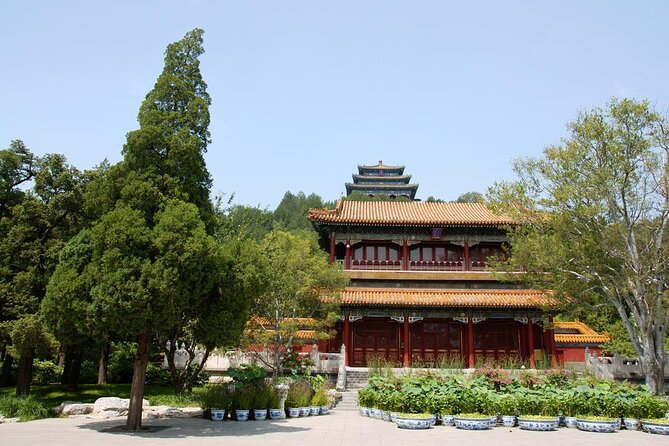
The Bell and Drum Towers are an effective starting point because they help you see Beijing as a planned city. These historic buildings mark an important part of the central axis, and the surrounding area leads quickly into the old hutong neighborhoods.
The stop itself is listed at about 10 minutes, with no admission charge included. You should expect an exterior visit and photo opportunity rather than a long interior exploration. The value is in the setting: from here, the contrast between Beijing’s formal monuments and its smaller residential lanes becomes clear.
The sidecar is particularly useful in this part of town. You can leave the main road and enter smaller alleys without the walking time or vehicle restrictions that often slow down a conventional tour. The route gives you a quick sense of how close everyday homes can be to some of the city’s best-known landmarks.
If you want extensive time at the towers, tell John before the ride begins. The tour covers several districts, so this stop is designed as part of a moving overview.
Hutongs and Houhai: Beijing at Street Level
The hutongs are the heart of the experience. These traditional lanes show a quieter side of Beijing, with close-set homes and a pattern of streets that feels very different from the city’s major avenues.
You will ride through smaller alleys and make walking stops where the route allows. This is where the sidecar earns its price. A standard car may take you near the old neighborhoods, but it cannot offer the same access to the narrow lanes themselves.
Houhai adds a different mood. The lake sits within the old hutong area, so you get water, traditional streets, and local gathering places in one stop. The route includes riding along the lake and time to relax with coffee or tea.
I like this pause because four hours on a motorcycle can feel full. A short drink stop gives you time to settle in, look around, and ask questions. It also breaks up the ride before the route continues south.
The main limitation is that the tour does not promise a long café visit or a particular café. Treat the tea or coffee as a relaxed stop rather than a formal tasting. If you care more about street scenes than refreshments, you can use the time for photographs and conversation.
Baita Si and the View Toward Old Beijing
Miaoying Temple, commonly called the Temple of the White Dagoba, is a short stop of about 15 minutes. Its white tower is one of the route’s recognizable landmarks and provides a striking change from the hutong streets around Houhai.
The tour information does not list an admission fee, but the stop is brief. You should expect time to see the site, hear its place in Beijing’s story, and take photographs rather than a detailed temple visit.
This section also shows why the route works as a first-day activity. You are not confined to one neighborhood. Instead, you cross parts of the old city and begin to understand how temples, residential lanes, gates, lakes, and walls fit into the larger plan.
John’s commentary is an important part of the value. Several details describe him as a local guide who grew up in Beijing and can explain landmarks while pointing out less familiar streets. The included communication equipment helps you hear him during the ride. One detailed account also notes Bluetooth helmets, a practical feature when traffic noise rises.
More private tours in Beijing:
- Beijing: Forbidden City Tour(Group/Private)-Tickets Included
★ 4.8 · 7,974 reviews - Beijing: T-Square & Forbidden City Group or Private Tour
★ 4.8 · 4,446 reviews - Beijing:Mutianyu Great Wall Private Trip with English Driver
★ 5.0 · 1,263 reviews - Private Mutianyu Great Wall Trip with English-Speaking Driver
★ 5.0 · 927 reviews
Niujie Mosque and Ox Street
Niujie, or Ox Street, is one of the most distinctive stops. The area is associated with Beijing’s Muslim community and has its own food traditions and street character. You stop here for about 30 minutes, with local food, coffee, tea, or another beverage included as part of the visit.
This is a strong choice for anyone who wants more than royal buildings and broad ceremonial roads. Food gives you a direct connection to the neighborhood, and the stop adds cultural variety to the route.
The meal is described as Beijing local fast food or snacks for lunch. That wording is useful: expect something simple and local, not a sit-down restaurant meal. The exact food and drink can vary, so tell the guide about any concerns before you start.
Niujie is also a good place to ask questions. A private guide can explain what you are seeing at a natural pace, rather than delivering a fixed speech to a large group. The 30-minute stop will not cover every part of the district, but it gives you a clear reason to return later if the area catches your interest.
Yongding Gate and the Six-Hundred-Year Wall
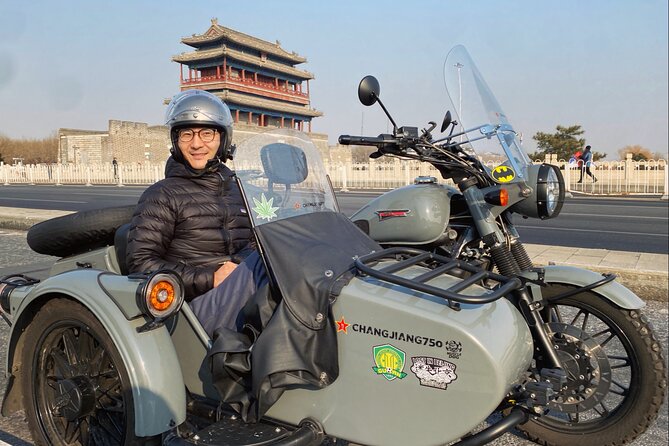
The route continues toward Yongding Gate, the southern starting point of Beijing’s old central axis. This is one of the best places to understand the city’s layout. After seeing the northern central area, the ride toward the south gives you a sense of the axis that organized old Beijing.
The final main stop is the Ming Dynasty City Wall Park. You ride beside antique sections of a city wall dating back roughly 600 years, with about 15 minutes for the stop. It is a different kind of sight from the temples and hutongs: less intimate, but useful for understanding the city as a fortified imperial capital.
You should not expect a long wall walk or a full archaeological visit. The stop is compact and focuses on seeing the surviving structure from the route. Still, it makes a fitting end to the tour because it ties together the city’s old boundaries, gates, and central plan.
For photographers, the wall provides a change of texture after the close lanes and lake views. For first-time visitors, it helps answer a basic question: how did old Beijing fit together? The combination of Yongding Gate and the wall gives you a practical visual answer.
Comfort, Safety, and the Two-Person Setup
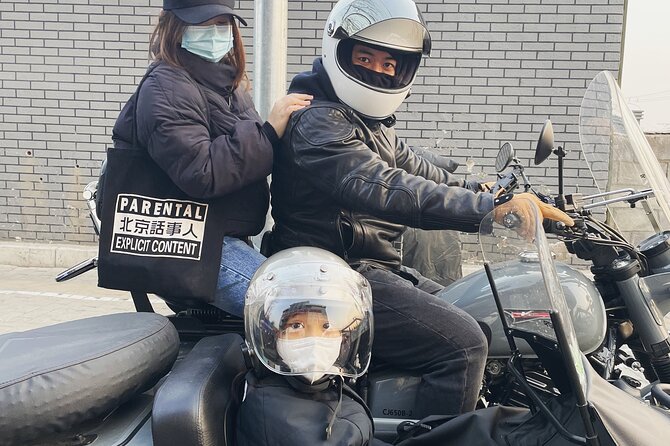
Each sidecar carries two passengers in different positions. One person sits in the sidecar, while the other rides behind the driver. You can switch halfway through, which is important because the two seats offer different views and sensations.
The sidecar position gives you a wider side view and a more open feeling. The rear seat places you closer to the driver and may make it easier to follow the route through traffic. Agree on the switch early so neither person feels stuck in one place.
Helmets, bottled water, a raincoat, and a phone charging cable are included. The raincoat is useful protection if conditions shift, though the activity itself requires good weather and may be canceled if rain or poor conditions make the ride unsuitable.
This format will suit most people according to the supplied participation information, and service animals are allowed. Still, a motorcycle tour is more exposed than a car tour. If you dislike wind, road movement, or changing weather, a private car may be more comfortable.
The tour is private, which also helps with comfort. You are not sharing the day with a large group, and you can speak directly with the guide. Keep your expectations realistic, though: this is an active road experience, not a luxury vehicle transfer.
The Guide Makes the Difference
John is the guide name most closely connected with this experience, and some details also use Johnny. The strongest practical advantage is his local connection to Beijing and his ability to explain the city while riding through it.
The communication helmets matter more than they might seem. Without them, commentary can disappear into traffic noise. With them, you can ask questions during the ride and hear explanations without stopping every few minutes.
The tour also has a personal-photographer quality. John has helped frame routes around the sights people want to see and has taken photographs during the day. You should still bring your own phone or camera, but his willingness to stop for photos adds real value.
Cold-weather preparation has also included a small scarf and tea. These are thoughtful touches rather than guaranteed seasonal features, so you should dress for the forecast. Beijing weather can change quickly, and the tour remains outdoors for much of its duration.
Is $129 Per Person Good Value?
At $129 per person, this is not the cheapest way to see Beijing. You are paying for a private guide, a dedicated sidecar and driver, hotel pickup and drop-off, communication equipment, gear, drinks, and local snacks or fast food.
The value depends on how you like to explore. If you want a low-cost route between major sights, public transportation and independent walking will cost less. But you will also spend more time navigating, and you may miss the small lanes that are central to this experience.
For a first day in Beijing, the price makes more sense. You get a four-hour orientation across several old districts, plus a local guide who can help you decide what deserves a longer visit later. It is especially useful if your time is short or you want an unusual way to learn the city’s layout.
The cost is also easier to justify for two people sharing a private booking. Group discounts are available, though the exact terms are not provided. For groups larger than eight, you need to ask about availability and arrangements before booking.
Who Should Book This Ride?
I would choose this tour if you want to see Beijing from the street and prefer local neighborhoods to a long indoor sightseeing schedule. It suits couples, friends, and small private groups who enjoy moving around and stopping often for pictures.
It is also a good choice for repeat visitors who have already seen the most famous imperial sights. The hutongs, Niujie, Houhai, and the wall offer a different view of the city.
You may want another option if you need long, detailed visits inside temples, dislike motorcycles, or want a tightly timed food tour. Four hours passes quickly, and some stops are brief by design.
Book with the weather in mind. You can cancel for a full refund up to 24 hours before the start time. If bad weather cancels the tour, you are offered another date or a full refund.
FAQ
How long is the Beijing sidecar tour?
The experience lasts approximately four hours and starts at 9:30 a.m.
Is hotel pickup included?
Yes. Hotel pickup and drop-off are included.
How many people ride in one sidecar?
Two passengers share one sidecar setup. One sits in the sidecar and one sits behind the driver, with the option to switch halfway through.
What landmarks are included?
The route includes the Bell and Drum Towers, Beijing hutongs, Houhai, the Temple of the White Dagoba, Niujie Mosque, Yongding Gate, and the Ming Dynasty City Wall Park.
Is food included?
Yes. Local Beijing fast food or snacks for lunch are included, along with bottled water and a coffee, tea, or other beverage stop.
What equipment is provided?
Helmets, bottled water, a raincoat, and a phone charging cable are provided. Communication helmets are also described for hearing the guide during the ride.
What happens if the weather is poor?
The tour requires good weather. If the provider cancels because of poor conditions, you can choose another date or receive a full refund. You can also cancel up to 24 hours before the start time for a full refund.
Should You Book It?
Book this sidecar tour if you want a fast, personal introduction to Beijing that reaches beyond the main avenues. The combination of hutongs, Houhai, Niujie, temples, gates, and the Ming wall gives you a useful first picture of the city, while John’s local guidance adds context you would be unlikely to get from a simple ride.
Skip it if you want a slow, indoor cultural tour or guaranteed sunshine. For the right kind of visitor, though, the sidecar is the point: it gets you close to Beijing’s streets, keeps the group private, and turns a first look at the city into something you will remember.
Just added around Beijing
- Xian: Must see Eternal Love or Camel Bell Legend show Ticket★ 5.0 · 3 reviews
- 2-Day Beijing Must-See Tour:4 UNESCO Sites+Tian’anmen&Hutong★ 5.0 · 4 reviews
- Beijing: 2-Day private Tour with Great wall& Forbidden city★ 5.0 · 5 reviews
- Xian: Bus Tour of Terracotta Warriors With Guide & Lunch★ 4.2 · 5 reviews
- Private Transfer to Mutianyu Great Wall with professional driver★ 5.0 · 19 reviews
- Twilight Glow at Badaling Great Wall Evening Bus Tour+Ticket★ 4.9 · 11 reviews
- Yuxiandu Chinese Royal Cuisine Museum with Show and Royal Banquet★ 5.0 · 4 reviews
- ZANBUS: Trip to the Jinshanling Great Wall Departing at 7:30 AM★ 5.0 · 5 reviews
Beijing Sidecar Tours, compared.
2-Hour “Ancient & Modern” Beijing Sidecar Tour (Day /Night)
Read our review →
Ancient & Modern City Tour by Sidecar(Day/Night)
Read our review →