
Reviewed · BEIJING HUTONG TOURS
Beijing: Hutong Culinary Walking Tour with 15+ Tastings
Beijing’s best food experiences often happen away from polished dining rooms. This tour leads you through quiet hutong lanes and into local restaurants for 15 or more tastings, ranging from sesame cakes and soup dumplings to hot pot, baijiu, and Xinjiang lamb skewers. Guides such as Jimmy, Anson, Lucy, Mike, Miko, Andy, Allen, Jay, May, and others shape the route around your appetite and curiosity.
I like the mix of food and neighborhood life. You are not simply handed a plate and given its name. You learn how people eat, where dishes come from, and how the hutongs have changed. I also like the flexibility: vegetarian needs, familiar dishes, and bold choices can all be discussed with the guide.
The main caution is quantity. Three hours of eating 15 or more samples can leave you very full, so arrive hungry. Stop locations change from day to day, and some listed foods may not appear on every outing. If you have a strong dislike of organs, spicy broth, or unusual ingredients, tell your guide early.
Key points at a glance
- Meet at Dongsi Subway Station Exit B: The central meeting point is easy to reach by subway or taxi.
- Expect 15 or more tastings: The route may include dumplings, pancakes, yogurt, noodles, hot pot, pastries, liquor, and skewers.
- Your guide adjusts the menu: You can favor classic Beijing bites, vegetarian food, or more daring choices.
- The hutong walk adds context: The guide explains local customs, food traditions, and everyday life along the way.
- Private group format: You get a more personal experience than on a large coach-style food outing.
- Come very hungry: The food is substantial, not a token nibble at each stop.
Why this hutong food tour works so well
The clever part of this experience is its scale. Instead of sitting down for one large Beijing meal, you move between several small stops and build a picture of local eating one bite at a time.
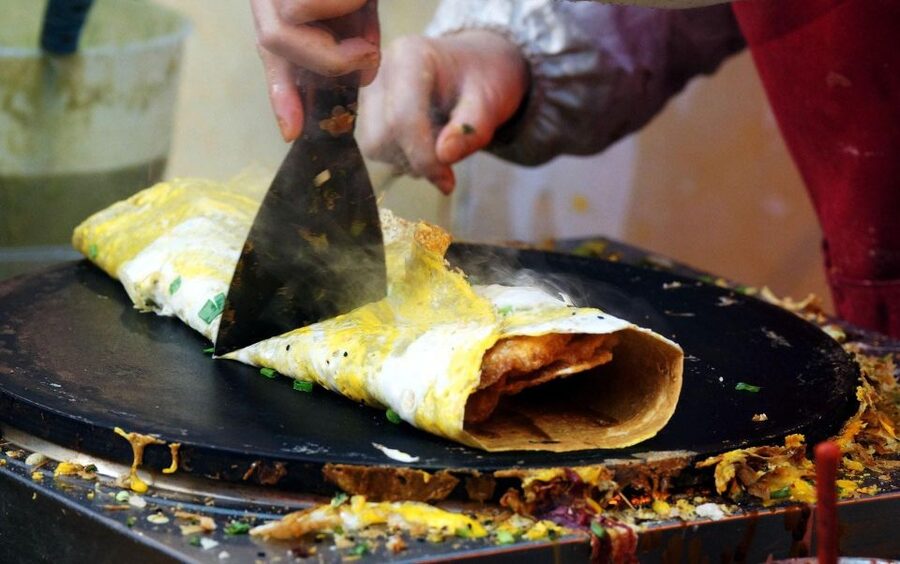
That matters in Beijing, where a single meal may not show you the full range of the city’s food culture. A sesame cake gives you something simple and savory or sweet. Jianbing brings a hot, crisp pancake prepared on a griddle. Dumplings add soft wrappers and warm filling. Later, malatang brings a spicy broth packed with your choice of ingredients.
I like this format because it lets you compare foods rather than judge one restaurant. It also makes room for dishes you might not order alone. A guide can explain an unfamiliar pastry, point out how a soup dumpling should be handled, or help you decide if a strongly flavored dish is worth trying.
The route is especially useful during your first days in Beijing. Several people who joined early in their stay used the tour to get comfortable with local food choices. You leave with a better sense of what to order later, how to approach small eateries, and which dishes deserve another try.
More hutong tours in Beijing:
- Beijing Hutong Walking Food and Beer Tour at Hidden Restaurants
★ 5.0 · 1,132 reviews - Old Beijing Dinner Tour
★ 5.0 · 348 reviews - Temple Heaven, Summer Palace, Lama Temple, Hutong Bus Tour
★ 4.7 · 319 reviews
Starting at Dongsi and entering the hutongs
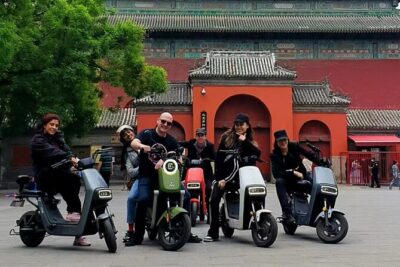
You meet at Dongsi Subway Station Exit B. Your guide holds a sign with your name, which helps at a busy station exit. You can reach the meeting point by subway or ask a taxi driver to take you near Dongsi Subway Station Exit B.
From there, the tour begins on foot through hutong alleys. These lanes offer a slower view of Beijing than the grand sights and wide roads. The guide uses the walk to explain the neighborhood, local customs, and the place food holds in daily life.
Do not expect a formal sightseeing tour with a long lecture. The information comes as you walk, stop, eat, and ask questions. Guides have explained everything from Beijing’s food traditions to ordinary life in the city. Some also add useful language and history along the way.
The walking is part of the meal, not dead time between restaurants. You get a sense of how small food businesses fit into the neighborhood and why local eating often depends on modest storefronts, stalls, and family-run places.
The first bites: sesame cakes, ma hua, and jianbing
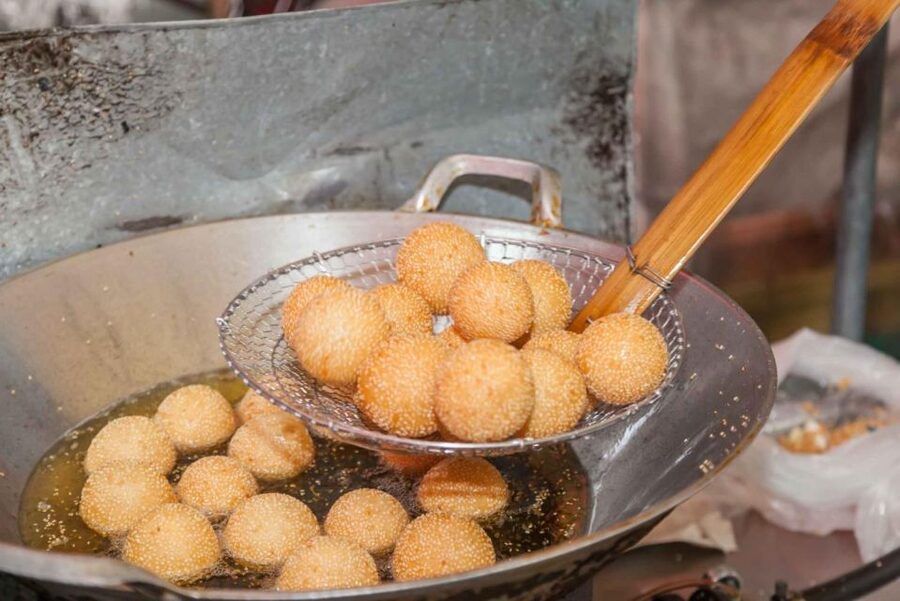
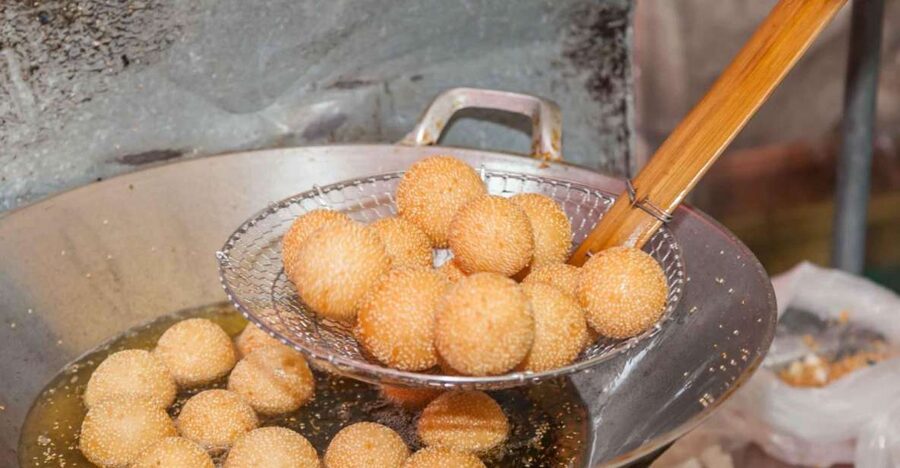
Early stops may include sesame cakes, ma hua, and jianbing. These foods show three different sides of Chinese snack culture.
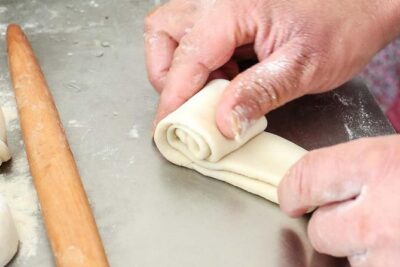
Sesame cakes can be sweet or savory, with sesame and sometimes honey. They are straightforward, portable, and easy to enjoy while walking. Ma hua is a fried dough twist with a crisp texture. It is the kind of snack that looks simple until you notice how much texture comes from the frying.
Jianbing is usually one of the most useful introductions to Beijing street food. The pancake is fried on a hot surface and built with several ingredients, creating a warm, crisp, filling snack. It is also a good chance to see food prepared in front of you rather than presented from a kitchen.
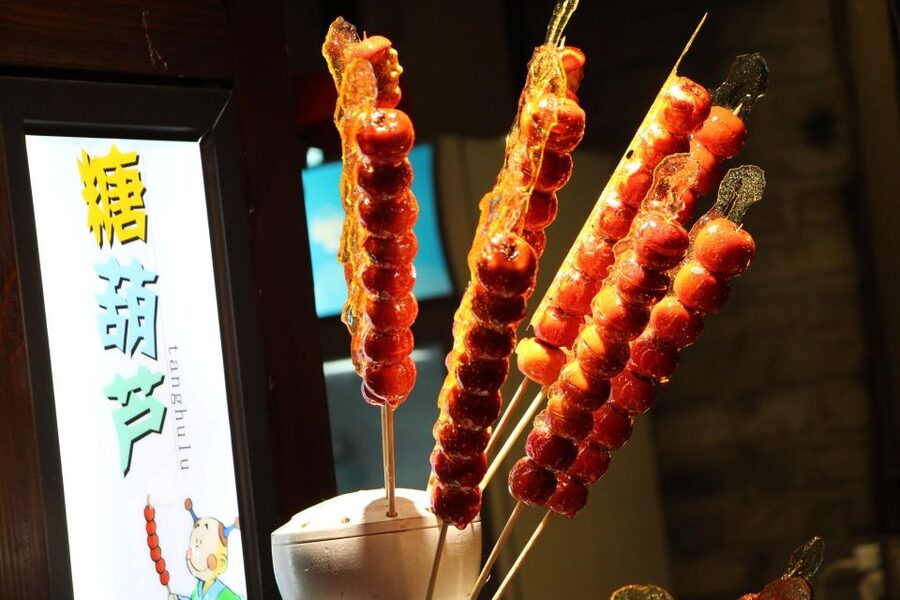
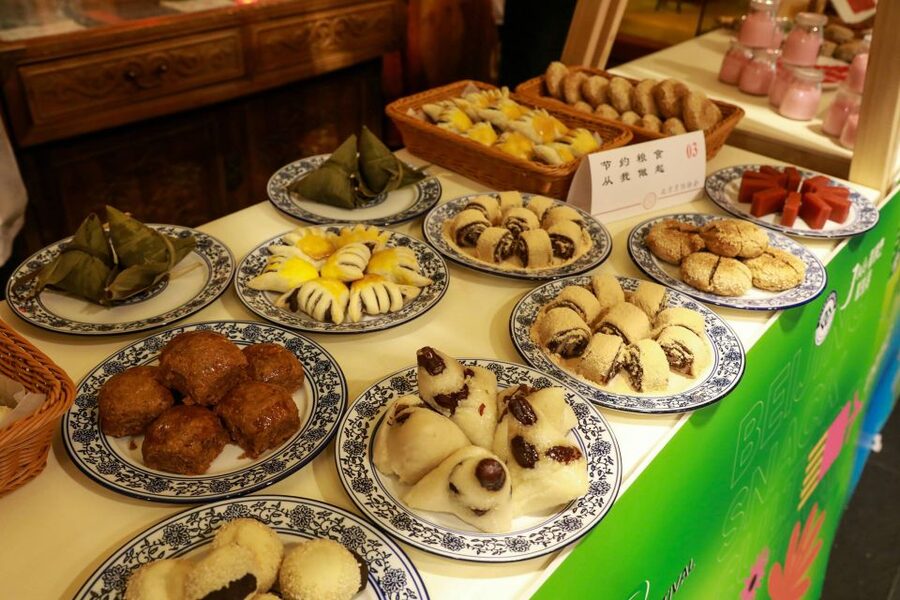
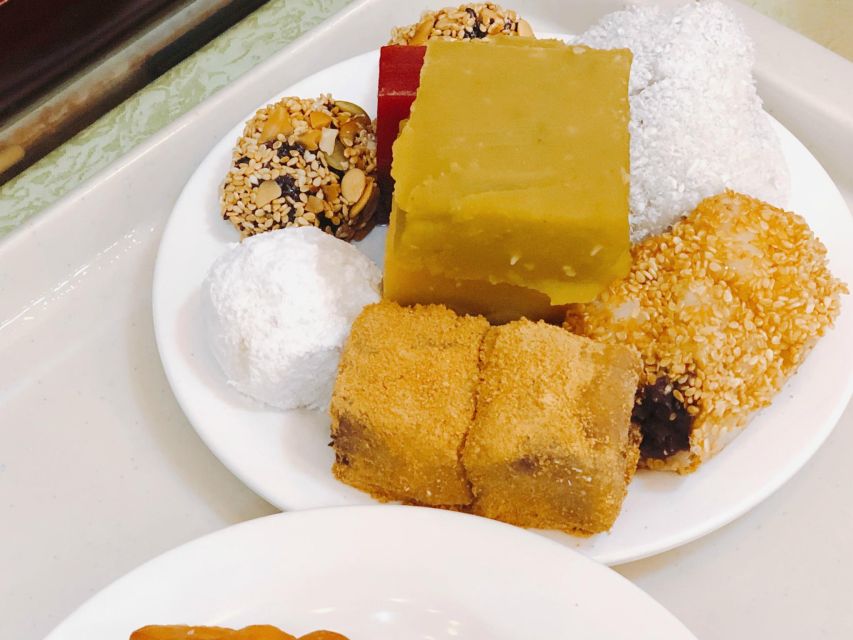
A crispy fried ring may appear among the local snacks. Steamed rice cakes with sweet stuffing can add a softer and sweeter change of pace. The exact selection varies, so think of the menu as a generous tasting route rather than a fixed checklist.
Dumplings and noodles bring regional variety
Soup dumplings are another likely highlight. They require a little care, since the filling and broth can be hot. Your guide can show you how locals approach them, which makes the stop more useful than simply eating a dumpling without context.
The tour may also include cross bridge rice noodles, a dish associated with Yunnan province. This is a valuable reminder that eating in Beijing is not limited to food from the capital. China’s regional cuisines meet in the city, and a local food route can introduce you to styles you might otherwise miss.
One particularly memorable stop for some groups has been a dumpling restaurant with Michelin recognition. That does not mean every outing includes the same restaurant, since stops change, but it shows the range of places the route may use. You could eat at a humble snack counter at one stop and a more polished restaurant at another.
Guides have also arranged hand-pulled noodles and unusual sandwiches on some outings. If there is a food you already tried during your trip, tell the guide. The route can sometimes shift toward something new.
More walking tours in Beijing:
- Private Beijing Walking Tour of the Forbidden City with 7 Options
★ 5.0 · 675 reviews - Forbidden City Private Walking Tour with Optional Sights
★ 5.0 · 400 reviews - Beijing Private Hutong Food Walking Tour
★ 5.0 · 299 reviews - Beijing: Highlights of Forbidden City Private Walking Tour
★ 5.0 · 104 reviews
Malatang: the most playful stop
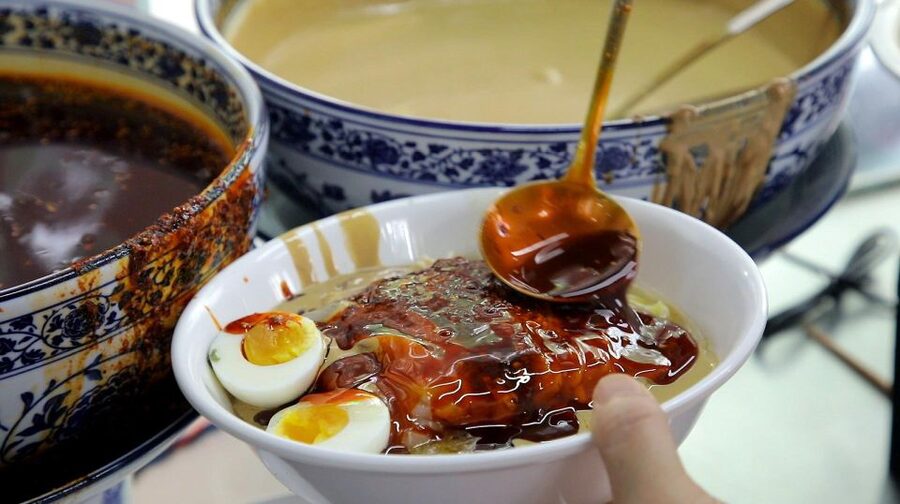
Malatang is a type of hot pot served in a spicy broth. You choose from ingredients such as vegetables, meats, seafood, tofu, and noodles, and the selections are cooked together.
This stop works well for people who like to experiment. You may see ingredients you cannot identify right away, and the guide can help explain what you are choosing. It is also a useful dish for groups with different tastes because each person can try several items from the same bowl or pot.
The heat level and ingredients are worth discussing before ordering. If you do not eat meat, have allergies, or prefer mild food, tell the guide clearly. A family with a vegetarian child received suitable alternatives, and other guides have adjusted dishes for dietary needs.
Malatang also gives the tour a social feel. Rather than receiving one finished plate, you watch the ingredients come together and try several textures in one sitting. It is often one of the most filling parts of the afternoon or evening.
Baijiu and the more adventurous menu
Baijiu is a clear Chinese liquor commonly ranging from 35 to 60 percent alcohol by volume. A small tasting can be a useful cultural moment, but you should not feel pressured to drink it. Tell your guide if you prefer a soft drink, beer, or water.
The tour can also include bold options such as donkey burger, fried liver, intestine soup, or thousand-year egg. Bamboo worm may be available at an extra cost. These choices are not required, and you can ask for substitutes if they do not appeal.
This flexibility is important. Food adventure should mean choosing your own comfort level, not being pushed into a challenge. One group tried liver and intestines and enjoyed them, while another asked for alternatives. Both approaches fit the tour.
If you want the unusual dishes, say so at the beginning. If you want a gentler introduction to Beijing food, say that too. The guide can then aim the route toward classic snacks and familiar textures.
Lamb skewers, nang bread, and the final stretch
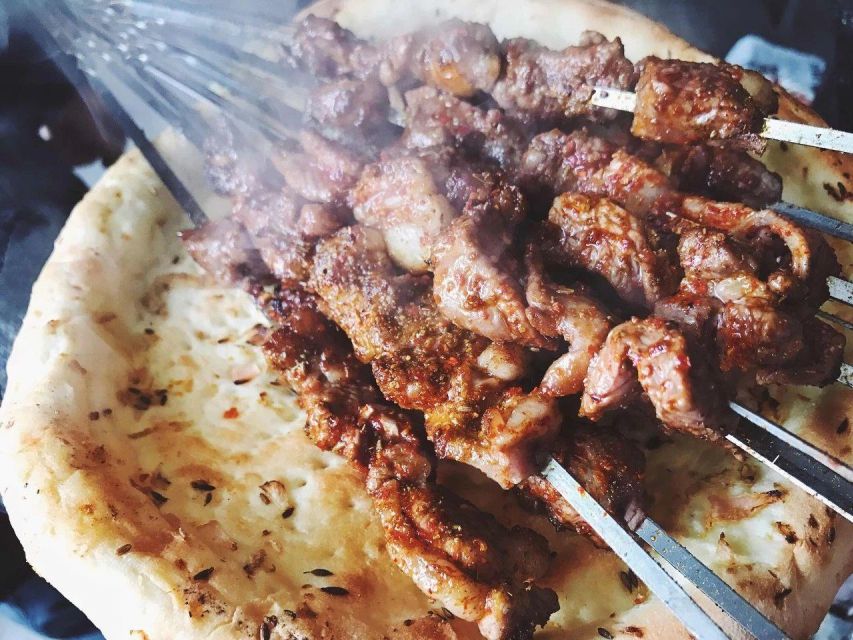
Xinjiang lamb skewers often provide a strong finish. The meat is grilled and seasoned, and the stop may also include vegetable kabobs and nang bread.
This part of the route introduces food from the Xinjiang region, showing again how Beijing’s eating culture draws from many parts of China. The smoky skewers contrast nicely with the softer dumplings, sweet rice cakes, and broth-based dishes earlier in the tour.
By this stage, you may already be full. That is why pacing matters. The guide usually moves between nearby stops, and several outings have kept the walking distances short. Still, 15 or more tastings add up quickly.
I would treat each portion as a sample, not a full meal. Share when possible, take small bites, and save room for later stops. The tour is more enjoyable when you can still appreciate the final skewers or dessert.
What the guides add to the food
The food is the reason to book, but the guide determines how much you get from it. English-speaking guides including Jimmy, Anson, Lucy, Mike, Miko, Andy, Allen, Jay, May, and others have led this experience.
The strongest part of the guiding style is the conversation. Guides explain the origins of dishes, eating manners, regional influences, and life in Beijing. They also answer the small questions that are hard to solve alone: what an ingredient is, why a food is served this way, and how locals normally eat it.
The private group format helps here. You can stop to ask about a dish, request a replacement, or change the balance between familiar and adventurous food. You are not trying to catch up with a large group or wait for a fixed lecture.
Communication has generally been a strong point. Several guides are described as easy to understand and good at explaining food in English. Still, guide assignments vary, so you should focus on the service format rather than booking around one specific name.
Price, timing, and practical value
At $76 per person, the tour is not the cheapest way to eat in Beijing. It becomes better value when you consider the number of tastings, the private guide, the neighborhood walk, and the help with ordering at places you might not find by yourself.
You are paying for access and interpretation as much as for food. A person who already speaks Chinese, knows Beijing well, and enjoys finding local eateries independently may prefer to spend less and explore alone. For a first visit, the price is easier to justify because one booking combines orientation, food sampling, and cultural explanation.
The experience lasts about three to four hours, with roughly three hours devoted to eating around the hutongs. Start times vary, so check availability when booking. Hotel pickup and drop-off with a private transfer can be added, which is useful if you prefer door-to-door transport.
The standard meeting point is Dongsi Subway Station Exit B. Bring comfortable shoes, dress for the weather, and avoid eating a large meal beforehand. Some outings have continued in rain, but poor weather can still affect the comfort of a walking route.
Cancellation is free up to 24 hours before the tour for a full refund. You can also reserve now and pay later, which helps if your Beijing schedule is still changing.
Who should book this experience
I would choose this tour for first-time visitors who want a quick introduction to Beijing food without spending days decoding menus and restaurant signs.
It also suits adventurous eaters. The route can move from a familiar pancake or dumpling to intestine soup, donkey burger, or a thousand-year egg, depending on your interest.
Families can make it work, especially if you explain dietary needs in advance. A vegetarian child was accommodated during one outing, and the guides have adjusted food choices for different preferences.
It may be less suitable if you want one quiet, sit-down meal or if you dislike walking between stops. It is also not ideal for someone who wants a fixed menu, since the route changes with local availability and your preferences.
Should you book the Beijing hutong food tour?
Book it if you want to eat widely, ask plenty of questions, and see a neighborhood while you sample the city. The best reason to go is the combination of small local stops and a guide who can make unfamiliar foods feel manageable.
I would especially recommend it for your first or second day in Beijing. You get practical food guidance early, and the hutong walk gives you a more grounded view of the city than a restaurant reservation alone.
Skip it if you are looking for a cheap meal, dislike strong flavors, or need a guaranteed list of exact restaurants. For most people who arrive hungry and communicate their preferences, $76 buys a busy, generous, and useful introduction to Beijing eating.
FAQ
Where does the Beijing hutong food tour meet?
The meeting point is Dongsi Subway Station Exit B. Your guide will hold a sign with your name.
How long does the tour last?
The stated duration is 3 to 4 hours, with about three hours spent tasting food around the hutong neighborhood.
How many food tastings are included?
More than 15 food tastings are included. The exact dishes and stop locations can vary each day.
Which foods might be included?
Possible tastings include sesame cakes, ma hua, soup dumplings, Beijing jar yogurt, cross bridge rice noodles, jianbing, crispy fried rings, steamed rice cakes, malatang, baijiu, Xinjiang lamb skewers, nang bread, and vegetable kabobs.
Can I request different foods?
Yes. The guide can adjust stops around your preferences, including classic dishes, adventurous choices, and substitute meals.
Are vegetarian food choices available?
The route can be adjusted for dietary needs. A vegetarian child was provided with suitable dishes, but you should tell the guide about your requirements in advance.
Is hotel pickup available?
Hotel pickup and drop-off with a private transfer are available if you choose that option. The guide waits in the hotel lobby holding a sign with your name.
Is the tour private?
Yes. The activity is offered as a private group experience with a live English-speaking guide.
Can I cancel or pay later?
You can cancel up to 24 hours in advance for a full refund. Reserve now and pay later is also available.
Just added around Beijing
- Xian: Must see Eternal Love or Camel Bell Legend show Ticket★ 5.0 · 3 reviews
- 2-Day Beijing Must-See Tour:4 UNESCO Sites+Tian’anmen&Hutong★ 5.0 · 4 reviews
- Beijing: 2-Day private Tour with Great wall& Forbidden city★ 5.0 · 5 reviews
- Xian: Bus Tour of Terracotta Warriors With Guide & Lunch★ 4.2 · 5 reviews
- Private Transfer to Mutianyu Great Wall with professional driver★ 5.0 · 19 reviews
- Twilight Glow at Badaling Great Wall Evening Bus Tour+Ticket★ 4.9 · 11 reviews
- Yuxiandu Chinese Royal Cuisine Museum with Show and Royal Banquet★ 5.0 · 4 reviews
- ZANBUS: Trip to the Jinshanling Great Wall Departing at 7:30 AM★ 5.0 · 5 reviews
Beijing Hutong Tours, compared.
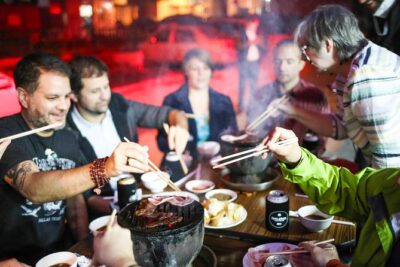
Beijing Hutong Walking Food and Beer Tour at Hidden Restaurants
Read our review →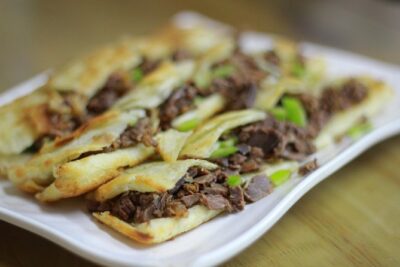
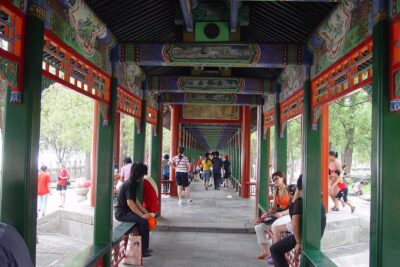
Temple of Heaven, Summer Palace, Lama Temple, Hutong Tours
Read our review →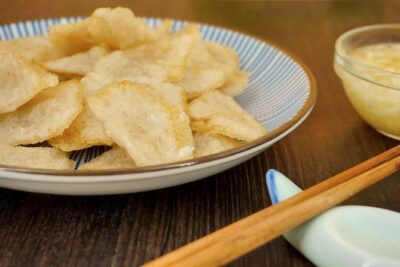
Beijing City Walk: Explore Hutongs Life and Old Beijing
Read our review →Browse the lists this tour appears in