
Reviewed · BEIJING IMPERIAL BANQUET DINNERS
Beijing: Imperial Cuisine Experience & Cultural Performance
Beijing’s Yuxiandu Imperial Cuisine Museum turns dinner into a lesson in court life. You move from displays of historic utensils and documents to a palace-style dining room, where a long meal of royal-inspired dishes is paired with music, dance, costumes, and color. It is part museum, part restaurant, and part stage show.
I like the five-thousand-year culinary story, which gives the meal more meaning than a simple banquet. I also like the performance, especially if you want to see traditional clothing, music, and dance in one polished evening. The main drawback is price: at $137 per person, this is a costly dinner, and one recent booking found that buying directly may be cheaper.
Key points to know before booking
- A museum comes before the meal: More than 1,000 historic objects introduce the utensils, records, dishes, and cooks linked with imperial food.
- The menu is a full banquet: Expect roast duck, braised sea cucumber with fish maw, roasted lamb, longevity noodles, tofu, bamboo shoots, soup, snacks, and desserts.
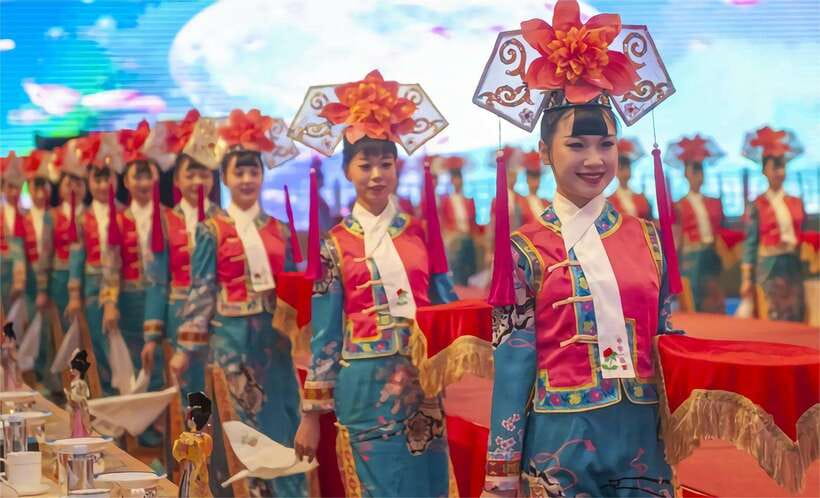
- The performance is a major part of the evening: Traditional dress, music, dance, color, and historical presentation add the theatrical side of the experience.
- Dinner begins on a strict schedule: Ticket checking is at 6:28 PM, with the show starting at 6:50 PM. Lunch checking is at 11:38 AM, followed by the performance at 12:10 PM.
- The setting aims for palace atmosphere: The restaurant uses an ancient palace design so the meal feels connected to the court traditions shown in the museum.
- You need the real ticket by email: The QR code created after booking is not the admission ticket. Check your inbox before leaving for the venue.
A museum that puts food at the center
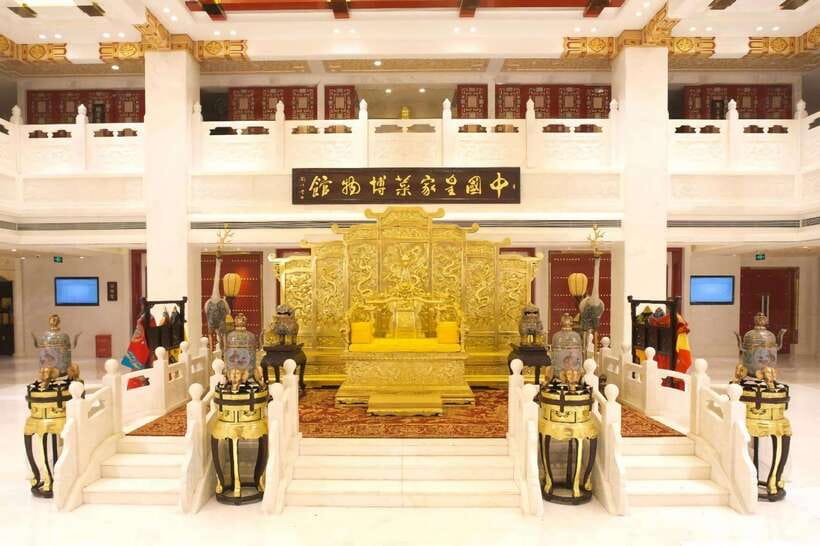
The Yuxiandu Imperial Cuisine Museum is in Beijing’s Haidian District, near Sijiqing Bridge. Its subject is not simply Chinese food. It focuses on food made for emperors, royal households, and court ceremonies, tracing changes from ancient times through the Qing Dynasty.
That focus gives the outing a useful sense of place. You are not just handed a set menu and asked to admire the room. The museum first explains how imperial dishes developed, which utensils were used, and why certain meals carried social and ceremonial importance.
The collection includes more than 1,000 historic objects, including dining pieces and documents. You can expect the displays to cover the tools and records that helped shape royal dining, along with famous dishes and chefs from different periods of Chinese history.
I find this part especially useful if you are curious about how food reflects power. A banquet tells you who was being honored, how a court was organized, and what ingredients or techniques were considered worthy of an emperor. Even a short museum visit can make the later dishes easier to appreciate.
The museum also gives the performance a stronger setting. Instead of watching a stage show with no context, you have already been introduced to the court world it is meant to represent.
More imperial banquet dinners in Beijing:
The palace-style dining room
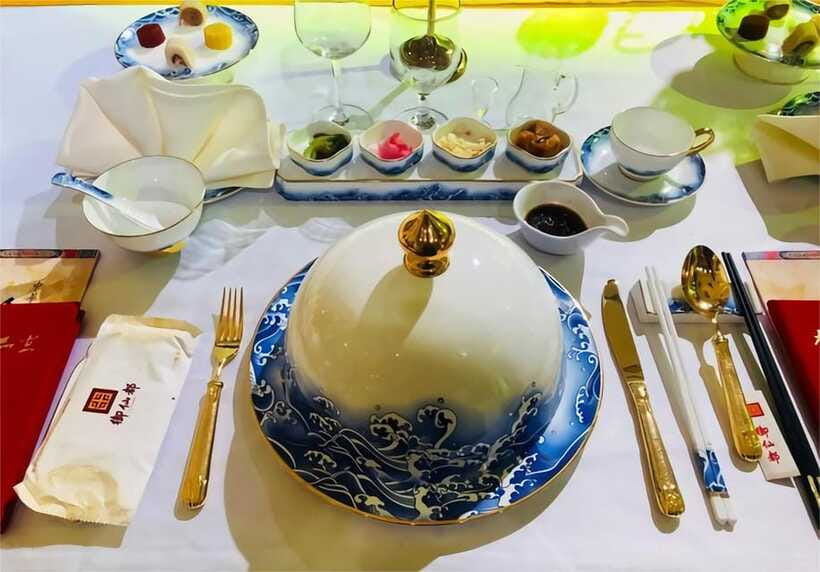
After the museum material, you sit down for a meal designed to resemble the food once served to royalty. The dining area is arranged to suggest an ancient palace, so the room is part of the presentation.
Keep your expectations in the right place. This is a modern dining attraction built around imperial themes, not a preserved royal banquet hall. The value comes from the combination of setting, menu, displays, and performance.
The palace design will appeal to you if you enjoy theatrical surroundings and formal presentation. It also makes the occasion feel different from an ordinary restaurant meal in Beijing. If your priority is a quiet dinner where you choose every dish yourself, this is less suitable.
The meal is served as a set banquet, so you should think of it as a planned sequence rather than a flexible restaurant order. That makes the experience simple once you are seated, but it also means you have less control over the menu.
What appears on the imperial menu
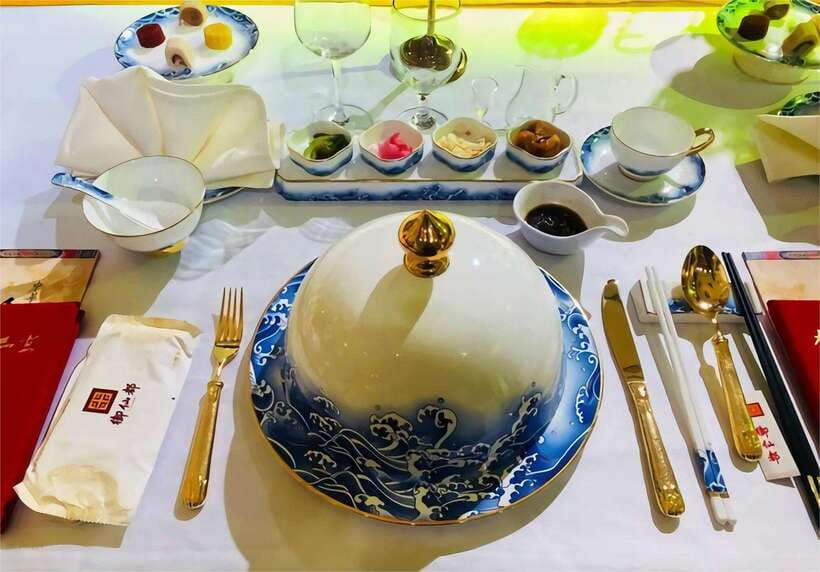
The menu covers a wide range of flavors and textures. It begins with snacks, an appetizer, and an appetizer platter before moving into larger dishes.
The more unusual centerpiece is braised sea cucumber with fish maw in a casserole. These ingredients are closely linked with formal Chinese banquet cooking and give the meal a distinctly courtly feel. If you are used to casual Chinese restaurant food, this course may be the dish that most clearly separates the experience from an everyday dinner.
You also receive marinated tofu with bamboo shoots, Chinese cabbage in soup, and roast duck prepared with jujube wood. The duck should appeal to you if you want a familiar Beijing flavor within the larger imperial theme. The tofu, bamboo shoots, and cabbage add lighter items to a menu that also includes several hearty courses.
Roasted lamb provides another substantial dish. The meal finishes with longevity noodles and poached eggs, deep-fried dough sticks with milk, and yogurt filled with honey.
The noodles are an important touch because longevity noodles carry an obvious celebratory meaning. They help connect the menu with ideas of good fortune and long life, rather than treating the final course as just another plate.
The desserts and final items are also less predictable than a standard Western-style finish. Deep-fried dough sticks, known as youtiao, are paired with milk, while honey-filled yogurt offers a sweet closing course.
You should arrive ready to sample a broad menu rather than expecting every dish to suit your taste. The set meal is part of the point. It lets you try royal-style ingredients and familiar Chinese foods in the same sitting.
The performance after the meal
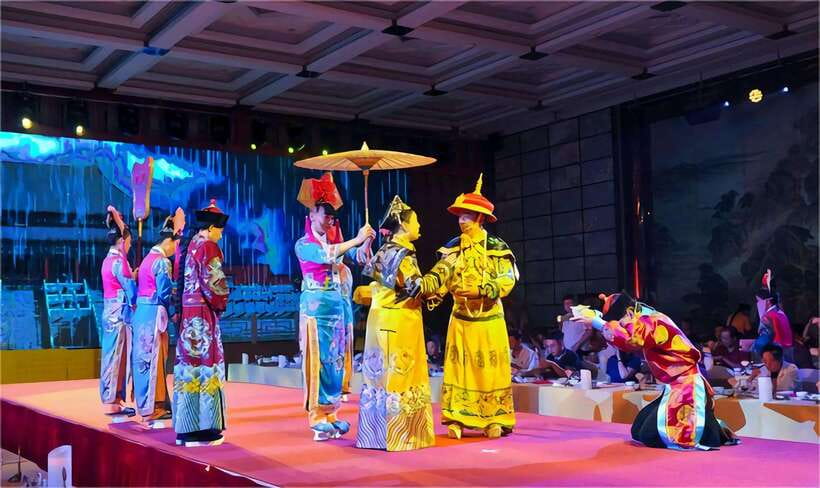
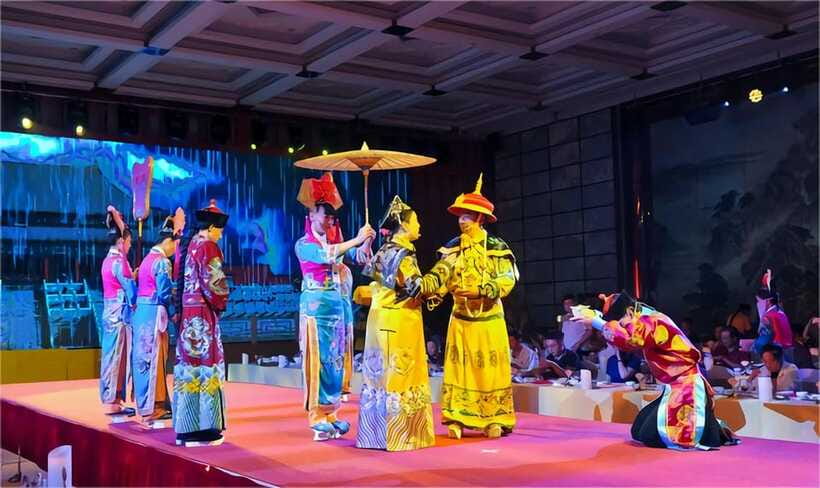
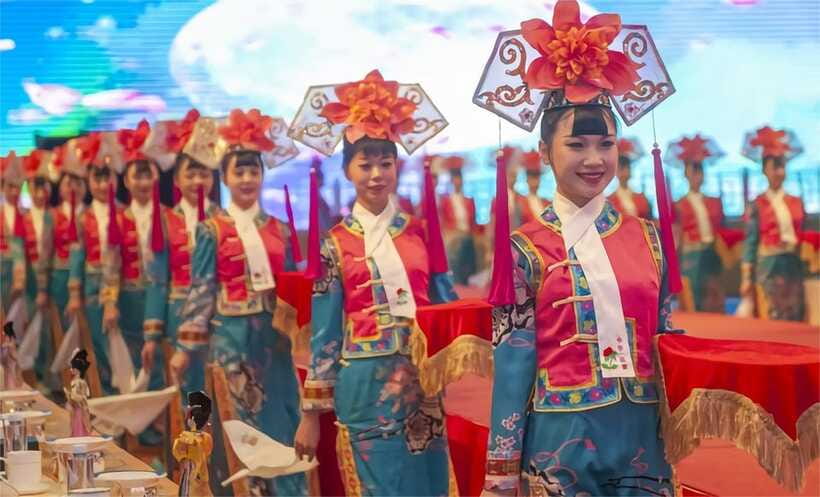
The cultural performance is one of the strongest reasons to choose this outing. It presents Chinese tradition through music, dance, costumes, and color, with a historical theme connected to the imperial court.
The show gives the evening a clear second act. The meal is not the entire attraction, and the museum is not simply a waiting area before dinner. Each part supports the others: the displays explain the food, the meal gives you a taste of the subject, and the performance turns court culture into something you can watch.
The historical presentation uses traditional clothing and stage movement to create a formal royal mood. You might enjoy it most if you want a broad introduction to Chinese cultural performance rather than a specialist production focused on one art form.
The show is also useful for first-time visitors who want a visual way into Chinese history. Costumes, music, and dance can communicate court customs quickly, even when you do not know every detail of the period being represented.
Do not book this solely for a quiet fine-dining meal. The performance is a central part of the schedule, and the evening works best when you treat it as dinner with live cultural entertainment.
A completely different kind of day in Beijing:
- From Beijing: Mutianyu Great Wall Tours with Options
★ 4.9 · 9,216 reviews - Beijing: Forbidden City Tour(Group/Private)-Tickets Included
★ 4.8 · 7,974 reviews - Beijing: T-Square & Forbidden City Group or Private Tour
★ 4.8 · 4,446 reviews - All-Inclusive Tour: Tiananmen Square, Forbidden City, Great Wall
★ 5.0 · 2,873 reviews
Timing matters more than it first appears
The schedule is precise. For lunch, ticket checking takes place at 11:38 AM, and the performance begins at 12:10 PM. For dinner, ticket checking is at 6:28 PM, followed by the show at 6:50 PM.
Arrive a few minutes before the stated ticket-checking time. You need to allow for any queue, ticket confirmation, and seating before the meal and performance begin. Arriving at the show’s start time is cutting it close.
The unusual times are worth noting. Lunch checking at 11:38 AM and dinner checking at 6:28 PM do not follow the round times many visitors expect, so write them down rather than relying on memory.
The activity lasts about three to four hours. That is long enough to make the museum, banquet, and performance feel like one substantial outing. It also means you should avoid placing another tightly timed activity immediately afterward.
Check your email carefully after booking. The QR code generated on the booking platform is not the actual ticket. The real ticket is sent by email, so look for it before you set out.
Is $137 a fair price?
At $137 per person, this is not a budget meal. You are paying for more than food, though. The price includes the banquet, museum access as part of the experience, and the cultural performance.
I think the value depends on what you want from your Beijing evening. If you would otherwise pay separately for a cultural show and a special dinner, the combined format may make sense. You also receive a setting and museum collection that an ordinary restaurant cannot provide.
The price is harder to justify if you mainly want to taste roast duck or sample familiar Chinese dishes. Beijing offers many less expensive meals, and this attraction asks you to pay for the production, setting, and historical presentation as much as for the food itself.
One practical point deserves attention: a recent booking rated the performance highly but considered the platform price expensive, suggesting that direct purchase might be cheaper. I would compare the price with the provider, PidanTravelAgency, before paying. Make sure any lower price includes both the meal and performance, since those are the core parts of this package.
The flexible booking terms also reduce some risk. You can cancel up to 24 hours in advance for a full refund, and the reserve-now, pay-later option lets you hold a place without paying immediately.
Who will enjoy this Beijing evening?
I would recommend it to you if you want a polished introduction to imperial food and Chinese performing arts in one visit. It suits first-time visitors who prefer an organized cultural night, couples looking for a special dinner, and families with older children who can manage a several-hour meal and show.
It is also a good fit if you have already seen Beijing’s major historic sights and want an evening activity that presents another side of the city. Food becomes the route into the subject, which makes the museum easier to connect with than a general collection of objects.
You may want to skip it if you dislike fixed menus, formal presentations, or large-scale entertainment. The outing is built around a set structure, and the $137 price requires genuine interest in the entire package.
Children under two are not suitable for the activity. The venue is wheelchair accessible, which is useful for anyone who needs step-free access, though the exact seating arrangement is not specified.
Traditional costume and makeup transformation are not included. If you want the full dressed-up palace look for photographs, you would need to arrange those separately.
Practical booking advice
Choose lunch if you prefer an earlier schedule and want to keep your evening free. Choose dinner if you want the experience to function as a full night out, but remember that the evening ticket check is at 6:28 PM.
Bring the ticket sent by email, not just the booking-platform QR code. Arriving a few minutes early is sensible because the ticket-checking time comes before the performance, and you want to be seated for the meal rather than rushing in at the last moment.
The experience is wheelchair accessible, and children under two should not be booked. The package includes the meal and performance, while costumes and makeup are extra or unavailable within the listed price.
Should you book the Yuxiandu Imperial Cuisine Museum?
Book this if you want food, history, and stage entertainment in one organized outing. The museum collection gives the dinner context, the menu offers dishes you may not normally order, and the performance adds traditional costumes, music, dance, and color.
Think carefully about the price before committing. At $137, this is a special-occasion activity, not a cheap way to eat in Beijing. Compare direct prices with the PidanTravelAgency offer, confirm that both the banquet and show are included, and book only if the full package appeals to you.
If that sounds right, the Yuxiandu Imperial Cuisine Museum offers a memorable way to spend three to four hours. If you only want an inexpensive meal, choose a restaurant instead.
FAQ
Where is the Yuxiandu Imperial Cuisine Museum?
It is in Beijing’s Haidian District, near Sijiqing Bridge.
How long does the experience last?
The activity lasts approximately three to four hours.
What time should I arrive for dinner?
Dinner ticket checking is at 6:28 PM, and the performance begins at 6:50 PM. Arrive a few minutes before ticket checking.
What time should I arrive for lunch?
Lunch ticket checking is at 11:38 AM, and the performance begins at 12:10 PM. Arrive a few minutes early to allow time for queues and seating.
Is the QR code on the booking platform the actual ticket?
No. The QR code generated after booking is not the actual ticket. Your real ticket is sent to you by email.
What is included in the price?
The meal and cultural performance are included. Traditional costume and makeup transformation are not included.
Can I cancel the booking, and is the venue wheelchair accessible?
You can cancel up to 24 hours in advance for a full refund. The activity is wheelchair accessible.
Just added around Beijing
- Xian: Must see Eternal Love or Camel Bell Legend show Ticket★ 5.0 · 3 reviews
- 2-Day Beijing Must-See Tour:4 UNESCO Sites+Tian’anmen&Hutong★ 5.0 · 4 reviews
- Beijing: 2-Day private Tour with Great wall& Forbidden city★ 5.0 · 5 reviews
- Xian: Bus Tour of Terracotta Warriors With Guide & Lunch★ 4.2 · 5 reviews
- Private Transfer to Mutianyu Great Wall with professional driver★ 5.0 · 19 reviews
- Twilight Glow at Badaling Great Wall Evening Bus Tour+Ticket★ 4.9 · 11 reviews
- Yuxiandu Chinese Royal Cuisine Museum with Show and Royal Banquet★ 5.0 · 4 reviews
- ZANBUS: Trip to the Jinshanling Great Wall Departing at 7:30 AM★ 5.0 · 5 reviews
Beijing Imperial Banquet Dinners, compared.
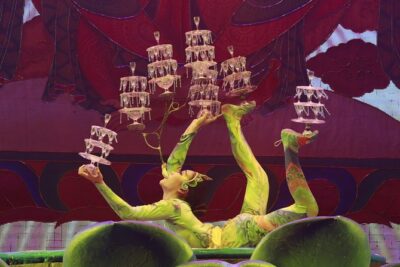
Beijing Roast Duck Banquet and Acrobatics Show with VIP Seats Evening Tour
Read our review →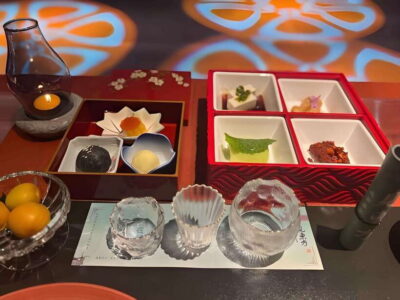
Beijing Royal Dinning Experience with cultural performance
Read our review →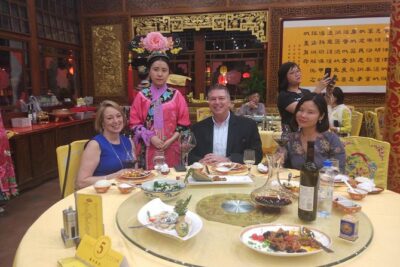
Beijing Imperial Dining Experience at Bai Jia Da Yuan Restaurant with Houhai Lake Bar Tour
Read our review →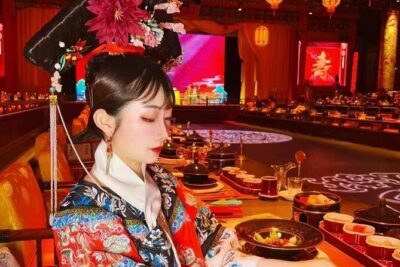
Yuxiandu Chinese Royal Cuisine Museum with Show and Royal Banquet
Read our review →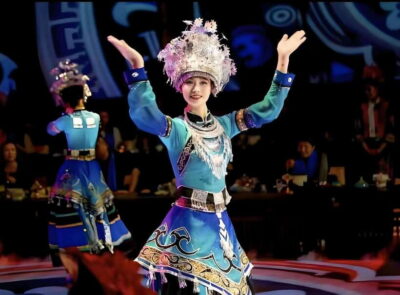
Beijing Royal Banquet with Chinese culture prefermance
Read our review →Browse the lists this tour appears in