
Reviewed · BEIJING HUTONG TOURS
Private Hutong Tour: Prince Gong’s Palace, Drum & Bell Tower
Beijing’s old neighborhoods make the strongest impression here. In six hours, you move from the Drum and Bell Towers to the Qing Dynasty halls of Prince Gong’s Mansion, then wander beside the lakes and courtyards of Shichahai. It is a useful way to connect grand imperial history with the everyday city around it.
I like the private format, since you can set the pace and ask as many questions as you wish. I also like the focus on places beyond the usual headline sights, especially the hutongs and the live drumming performance at the Drum Tower. The main thing to consider is cost: at $115 per person, you still pay separately for public transportation or taxis, food, drinks, and any rickshaw ride.
Key points to know before booking
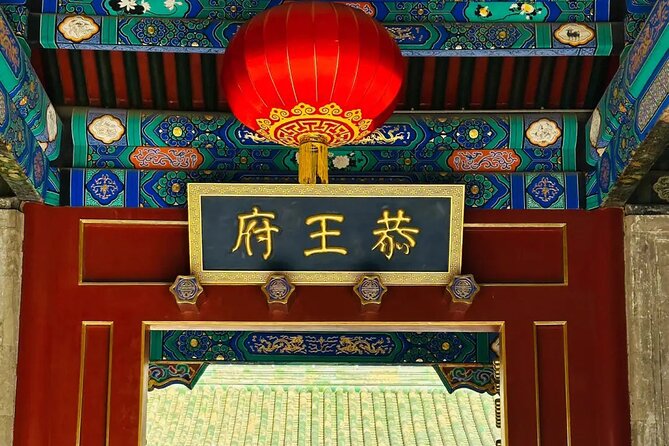
- Prince Gong’s Mansion is the tour’s historical centerpiece, with Qing Dynasty residences, courtyards, and gardens.
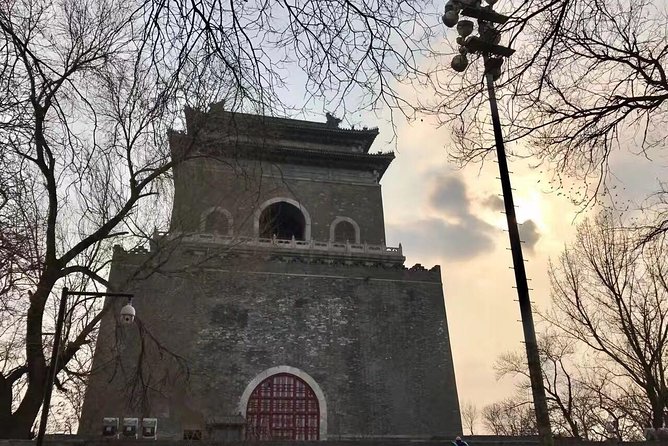
- The Drum and Bell Towers offer a different view of Beijing, including a live drumming performance and views from the top.
- Shichahai adds local neighborhood life, with old-style houses, hutongs, and three connected lake areas.
- You have a private English-speaking guide, with past guides including Henry, Tony, and Catherine Lu.
- The tour lasts about six hours, with hotel pickup and drop-off, but transportation costs are not included.
- Comfortable shoes matter, since the day combines stair climbing, walking, and alleyway exploration.
Why this six-hour route works well
This tour gives you three ways to understand Beijing. The towers explain the city’s old timekeeping system and offer a high view. Prince Gong’s Mansion shows how an elite Qing Dynasty household lived. Shichahai brings you down to street level, where narrow hutongs and traditional homes shape the experience.
I find that combination more useful than visiting grand monuments one at a time. You are not only looking at preserved buildings. You are also seeing how imperial Beijing, residential Beijing, and modern city life fit together.
The private setup matters. You meet your guide in your hotel lobby at either 8 a.m. or 1 p.m., then travel by public transportation or taxi. Since your group is the only group on the tour, you can spend more time on a subject that interests you and less time on one that does not.
The tradeoff is that the advertised price does not cover the rides between sites. That makes the final cost less predictable than a tour with transport included. Still, a private guide can be worthwhile if you want history explained in plain English rather than simply moving from one entrance to another.
More hutong tours in Beijing:
- Beijing Hutong Walking Food and Beer Tour at Hidden Restaurants
★ 5.0 · 1,132 reviews - Old Beijing Dinner Tour
★ 5.0 · 348 reviews - Temple Heaven, Summer Palace, Lama Temple, Hutong Bus Tour
★ 4.7 · 319 reviews
Starting at the Drum and Bell Towers
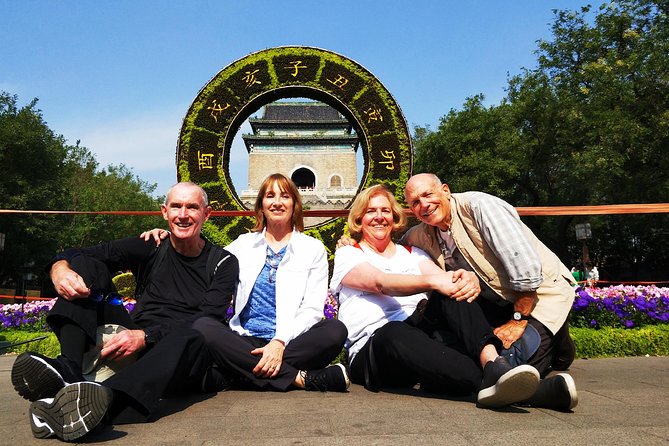
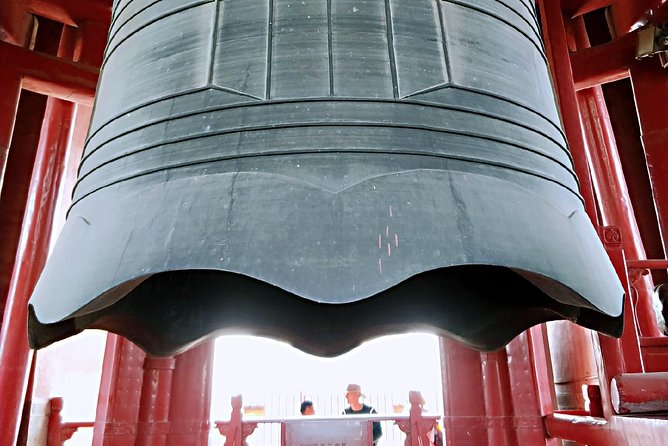
The tour begins in the hutong area near Beijing’s Drum Tower and Bell Tower. These historic structures once helped organize the city’s daily rhythm. The Bell Tower and Drum Tower are close together, making them an efficient opening stop before you continue toward the mansion and Shichahai.
Admission is included, and you should allow about an hour here. The visit is not only about looking at the buildings from street level. You may climb to the top for views across the surrounding old neighborhoods, and the Drum Tower includes a live drumming performance.
That performance gives the stop a sense of place. It is brief compared with the rest of the tour, but it helps explain why these towers mattered. The buildings were practical civic landmarks, not just decorative relics.
The towers also give you an early look at Beijing’s traditional city pattern. From above, the old lanes and low houses provide a useful contrast with the city’s newer development. The view is one of the details most likely to stay with you, especially if you have only seen Beijing from busy roads and large public squares.
You should be ready for stairs. The tour information specifically recommends comfortable walking shoes, and the day includes tower access, palace grounds, and hutong lanes. Anyone who dislikes climbing or extended walking should take that into account before booking.
Prince Gong’s Mansion and Qing court life
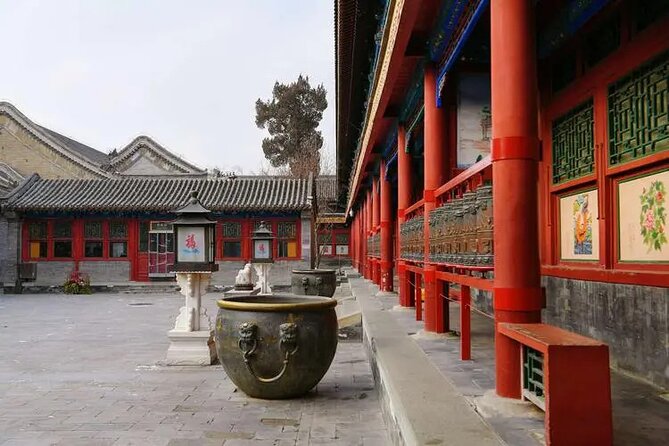
The tour then continues on foot to Prince Gong’s Mansion, also called Gong Wang Fu. Set aside about two hours here, since this is the longest stop and the main historical visit.
The mansion dates from the Qing Dynasty and is described as the best-preserved Qing princely residence in Beijing. It once housed several families, so you can see more than a single grand reception hall. The buildings, courtyards, and gardens show how an elite residence was arranged and used.
This is where a strong guide makes a real difference. A palace can otherwise become a parade of halls, gates, and decorative details. A guide can help you understand which spaces had a formal role, how the residence functioned, and what the building tells you about late Qing society.
Tony, one of the named guides associated with this tour, is particularly strong on late Qing history and speaks excellent English. His style is described as clear, pleasant, and direct. Henry is also noted for explaining the areas well, including the mansion and the towers. Guide assignment can vary, but these names give you a sense of the level of historical discussion available.
The mansion is beautiful and well maintained, but do not expect a quiet private viewing. It is a major historical site, so the pace and atmosphere can depend on how busy the grounds are. The private tour gives you control over your own group, not exclusive access to the palace.
I would plan to listen first and photograph second. The value here comes from seeing the relationship between courtyards, residential buildings, and formal spaces. Without context, many palace compounds can blur together. With a guide, you have a better chance of remembering why this one matters.
Walking through Shichahai’s hutongs
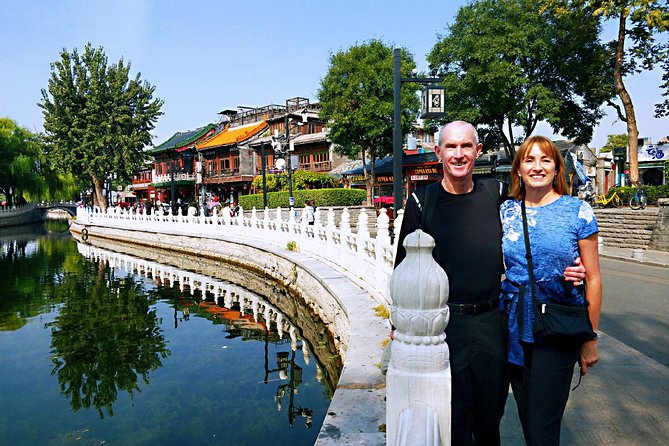
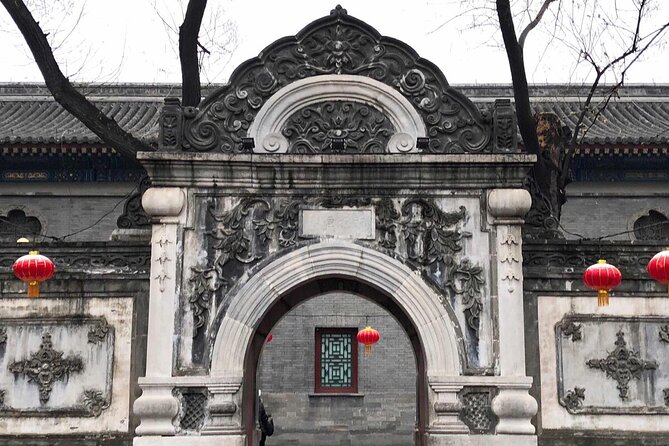
After the mansion, you spend about an hour walking around the hutongs near Shichahai. The area includes Front Lake, West Lake, and Rear Lake, all surrounded by old-style Beijing houses.
This is the most grounded part of the tour. The towers and mansion represent public power and elite life. The hutongs show the older residential fabric of the city. Narrow lanes, courtyard homes, and the lakeside setting create a slower transition between major attractions.
I like this part because it gives you room to notice smaller details. You may see how old houses meet newer businesses, how the lanes connect to the water, and how the neighborhood feels different from Beijing’s large ceremonial avenues. The tour does not reduce the hutongs to a quick photo stop. You have time to walk and ask questions.
The hour is also a useful reminder that old Beijing is not confined to museums. Shichahai is a living district, and the experience comes from moving through it rather than simply viewing a restored building from behind a barrier.
There is one limitation. An hour passes quickly, particularly if you stop often for photographs or conversation. The tour gives you an introduction rather than an exhaustive walk through every lane. If hutongs are your main reason for visiting Beijing, you may want more neighborhood time elsewhere during your stay.
A rickshaw ride is not included. That is helpful if you prefer walking, since you are not paying for an activity you may not want. If you do choose one, budget for it separately.
More private tours in Beijing:
- Beijing: Forbidden City Tour(Group/Private)-Tickets Included
★ 4.8 · 7,974 reviews - Beijing: T-Square & Forbidden City Group or Private Tour
★ 4.8 · 4,446 reviews - Beijing:Mutianyu Great Wall Private Trip with English Driver
★ 5.0 · 1,263 reviews - Private Mutianyu Great Wall Trip with English-Speaking Driver
★ 5.0 · 927 reviews
What the private guide adds
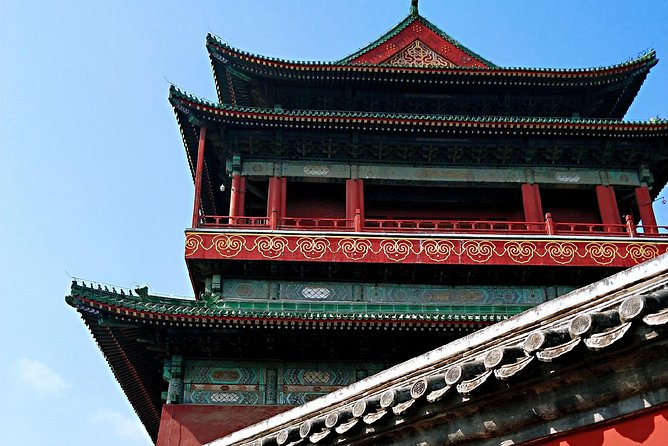
The best reason to choose this tour is not simply the admission tickets. It is the chance to connect three very different places with one person who can explain the links between them.
At the Drum and Bell Towers, you can ask about their civic purpose and the old city layout. At Prince Gong’s Mansion, you can shift into Qing court history. In Shichahai, you can ask how the hutongs fit into Beijing’s residential past and present.
A private guide also helps with pacing. You may want more time in the mansion, a shorter stop at the towers, or extra explanation in the hutongs. A fixed group tour rarely offers that flexibility.
The named guides give this experience a personal dimension. Henry has been praised for his understanding of the places on the route. Tony is well suited to visitors who want detailed late Qing context without a heavy academic lecture. Catherine Lu Tours is also described as easy to work with, which can matter if you are arranging several tours during a Beijing visit.
Still, guide quality can vary from person to person, and the information provided does not guarantee which guide you will receive. I would treat the named guides as examples of the available style, not a promise of a particular assignment.
Price, transport, and the real value
The price is $115 per person. For a private six-hour tour with entrance tickets and an English-speaking guide, that can be fair for couples, families, or small groups who place a high value on personal attention.
The value is less clear for a solo visitor on a tight budget. You pay the full per-person rate, then add public transportation or taxi costs. Food and drinks are also extra, as are personal purchases and any rickshaw ride.
Group discounts are offered, so the numbers may work better when several people share the private guide service. You should compare the total cost for your group rather than focusing only on the listed per-person amount.
Hotel pickup and drop-off remove one common source of stress. You do not need to find the first meeting point on your own, and the guide can help coordinate the day from your accommodation. However, pickup does not mean private transport is included. The route uses public transportation or a taxi at your own cost.
That arrangement has both good and bad sides. Public transportation keeps the tour connected to ordinary Beijing life and can be more practical than sitting in a vehicle through busy streets. A taxi may be simpler for some groups. Either way, you should carry enough money for the rides and expect some walking between stops.
Timing, fitness, and who should book
You can choose an 8 a.m. start or a 1 p.m. start. The morning option gives you the rest of the day afterward. The afternoon option may suit you better if you prefer a slower morning or have another activity planned earlier.
The tour operates in all weather conditions, so dress for the forecast. Comfortable walking shoes are essential. You will walk through hutongs, move between attractions, and may climb at the towers. Most people can participate, but the day is not designed for someone seeking a low-walking sightseeing ride.
Children must be accompanied by an adult. Families may appreciate the private format because the guide can adjust explanations and pauses for the group. The towers and drumming performance can also give younger visitors something immediate to watch, while the mansion and hutongs provide more reflective history.
This tour suits you best if:
- You want a focused introduction to old Beijing.
- You prefer a private guide to a large group.
- You enjoy history explained through buildings and neighborhoods.
- You are comfortable paying extra for local transportation.
- You want both major sites and a more ordinary residential setting.
It may not suit you if you want every cost included in one payment, dislike walking, or want a full-day tour centered only on the imperial palace district.
How this compares with a typical Beijing sightseeing day
Many Beijing sightseeing days concentrate on the largest famous monuments. This route takes a different approach. It gives you a smaller historical frame, moving from civic towers to a princely residence and then into the hutongs.
That makes it a good choice early in your visit. The Drum and Bell Towers help you understand the older city plan. The mansion introduces Qing Dynasty power and domestic life. Shichahai then gives you a more human-scale setting for the rest of your Beijing stay.
The route also avoids the feeling that you are only collecting entrance tickets. Each stop has a distinct purpose. The main risk is that the day may feel too specialized if your priority is Beijing’s most famous imperial landmarks elsewhere.
Booking details worth noting
Confirmation is provided at the time of booking, and free cancellation is available if you cancel at least 24 hours before the local start time. A cancellation made less than 24 hours before the start is not refunded, and changes inside that window are not accepted.
You receive a mobile ticket, and the tour is private, meaning only your own group participates. Pickup and drop-off are offered at your accommodation, while entrance tickets and the English-speaking guide service are included.
Should you book this private Beijing tour?
Book it if you want a well-shaped introduction to old Beijing, prefer your own guide, and are happy to pay transportation costs separately. Prince Gong’s Mansion, the tower views, and the Shichahai hutongs provide enough variety for a six-hour day, while the private format lets you ask questions and keep the pace manageable.
I would be especially inclined to book it for a couple, family, or small group that values explanation over a simple transfer between sights. Tony’s late Qing background and Henry’s strong command of the route are encouraging signs, though your assigned guide may differ.
Skip it if you want a low-cost group tour or a sightseeing package with every expense included. For everyone else, this is a sensible way to see Beijing through its old buildings, working neighborhoods, and changing city streets rather than through grand monuments alone.
FAQ
How long does the tour last?
The tour lasts approximately six hours.
What places are visited?
The route includes the Bell and Drum Towers, Prince Gong’s Mansion, and the hutongs around Shichahai.
Is hotel pickup offered?
Yes. Your private guide meets you in the hotel lobby, with an available start time of either 8 a.m. or 1 p.m. Hotel drop-off is also offered.
Is transportation included?
No. Public transportation or taxi costs are paid separately by you.
Are entrance tickets included?
Yes. Admission tickets to the sights are included.
Is the tour private?
Yes. Only your own group participates in the activity.
Is a rickshaw ride included?
No. A rickshaw ride is optional and costs extra.
What should I wear?
Wear comfortable walking shoes and dress appropriately for the weather. The tour operates in all weather conditions.
Just added around Beijing
- Xian: Must see Eternal Love or Camel Bell Legend show Ticket★ 5.0 · 3 reviews
- 2-Day Beijing Must-See Tour:4 UNESCO Sites+Tian’anmen&Hutong★ 5.0 · 4 reviews
- Beijing: 2-Day private Tour with Great wall& Forbidden city★ 5.0 · 5 reviews
- Xian: Bus Tour of Terracotta Warriors With Guide & Lunch★ 4.2 · 5 reviews
- Private Transfer to Mutianyu Great Wall with professional driver★ 5.0 · 19 reviews
- Twilight Glow at Badaling Great Wall Evening Bus Tour+Ticket★ 4.9 · 11 reviews
- Yuxiandu Chinese Royal Cuisine Museum with Show and Royal Banquet★ 5.0 · 4 reviews
- ZANBUS: Trip to the Jinshanling Great Wall Departing at 7:30 AM★ 5.0 · 5 reviews
Beijing Hutong Tours, compared.
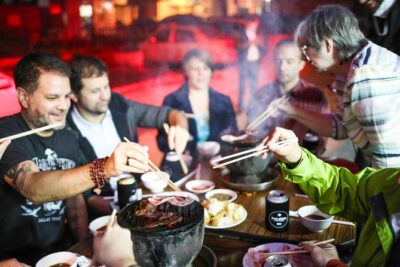
Beijing Hutong Walking Food and Beer Tour at Hidden Restaurants
Read our review →
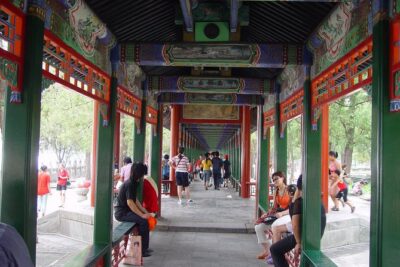
Temple of Heaven, Summer Palace, Lama Temple, Hutong Tours
Read our review →
Beijing City Walk: Explore Hutongs Life and Old Beijing
Read our review →Browse the lists this tour appears in