Reviewed · PRIVATE
Private Excursion Tour to East Qing Tombs from Beijing
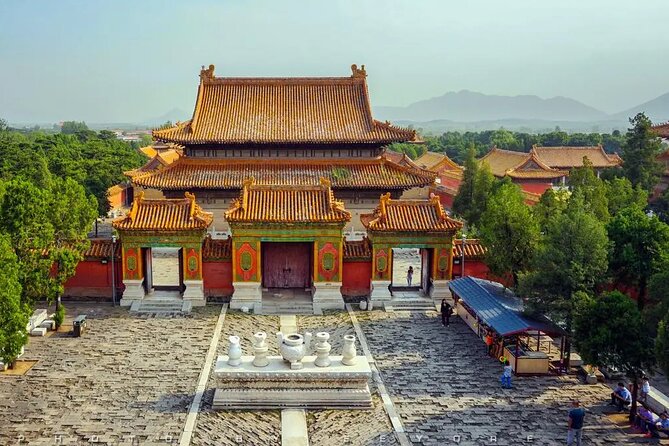
The Eastern Qing Tombs give you something Beijing’s best-known sights often cannot: quiet royal architecture without the same crowds. You’ll see the grand burial grounds of Qing emperors, the ornate stone carvings connected with Qianlong, and the lavish tomb of Dowager Cixi. I like the private car and hotel transfers, and I like having an English-speaking guide to explain the Manchu rulers and Tibetan Buddhist details. The drawback is the long road trip, about two hours each way.
I also like that admission, tolls, parking, fuel, and the guide are included in the $176 price. Rita and Cynthia are named as guides who bring a personal touch to the day. You should still plan for your own meals, and the tour can run past nine hours if you linger, with an extra fee after that point.
Key points to know before you book
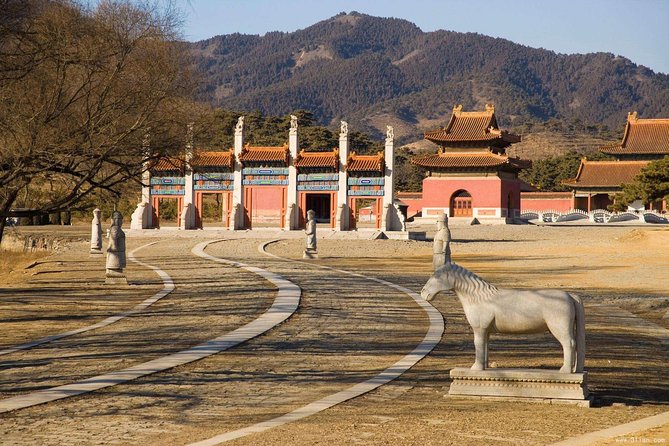
- A quieter alternative to the Ming Tombs: The Eastern Qing Tombs receive fewer visitors, giving you more space for photographs and reflection.
- A full private day from Beijing: Allow 8 to 9 hours, including hotel pickup, the drive, sightseeing, and return transfer.
- Qianlong and Cixi are the major highlights: Their tombs reveal two very different sides of Qing power, ceremony, and spending.
- The price covers the costly basics: Your private vehicle, driver, guide, entrance ticket, fuel, tolls, parking, and hotel transfers are included.
- Guiding makes the site easier to understand: Rita and Cynthia are specifically associated with attentive, well-informed service.
- The main tradeoff is travel time: The tombs are rewarding, but reaching them takes a substantial part of the day.
Why the Eastern Qing Tombs are worth the long ride
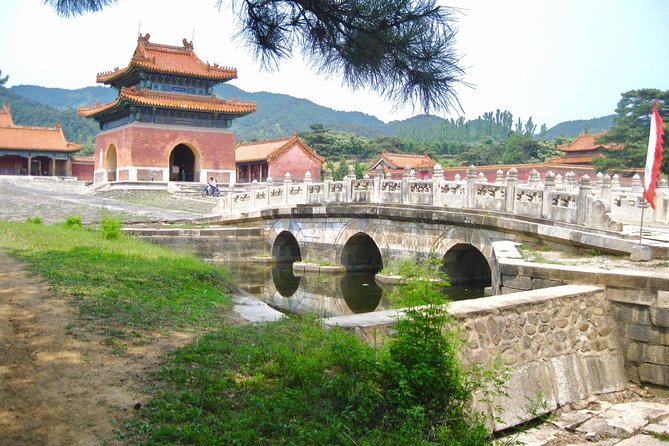
Beijing is packed with imperial sights, but the Eastern Qing Tombs offer a different kind of visit. Instead of entering a former palace built for daily court life, you enter a burial complex created for Qing rulers and royal family members. The site was designed during the final imperial dynasty, when Manchu rulers from northeastern China governed the country.
The tombs were planned with the grandeur of the earlier Ming royal burial grounds in mind. That comparison matters. You are not simply looking at graves in a wooded setting. You are seeing an imperial project meant to display status, religious belief, and dynastic power through architecture, stonework, and carefully arranged spaces.
I particularly like the contrast with the Ming Tombs. The Eastern Qing Tombs are described as less visited, so you have a better chance of enjoying the setting without a constant flow of people around you. That makes a difference when you want to study carvings, take photographs, or listen to your guide without competing with tour groups.
The site is also useful for understanding that the Qing dynasty was not culturally uniform. Qianlong’s tomb includes stone carvings and references to Tibetan Buddhism, while Dowager Cixi’s tomb is linked with extraordinary expense and luxury. The two examples give your guide plenty to explain beyond dates and names.
More private tours in Beijing:
- Beijing: Forbidden City Tour(Group/Private)-Tickets Included
★ 4.8 · 7,974 reviews - Beijing: T-Square & Forbidden City Group or Private Tour
★ 4.8 · 4,446 reviews - Beijing:Mutianyu Great Wall Private Trip with English Driver
★ 5.0 · 1,263 reviews
The morning pickup and the road from Beijing
Your guide and private driver pick you up at your Beijing hotel in the morning. The vehicle is air-conditioned, and the tour includes fuel, road tolls, parking, and the return transfer. Those details may sound routine, but they are important on a full-day trip outside the city.
The drive takes about two hours according to the tour information and is the main cost in time. You should not book this excursion if you want a quick half-day outing or if your Beijing schedule is already tight. The day lasts roughly 8 to 9 hours, with about three hours listed for the tomb complex itself.
I see the private vehicle as a strong part of the value. You are not working out a complicated connection to a site beyond central Beijing, and you are not sharing the day with a large group. Your own group participates, so the guide can respond to your questions and adjust the conversation to your interests.
Still, bring patience for the road. The tombs are not a quick hop from the city center. If you are sensitive to long drives, the journey should be your first consideration before you focus on the sights.
Entering a royal burial complex built by the Qing
The Eastern Qing Tombs were created under the Qing dynasty, the last imperial dynasty of China. The rulers were Manchurian, with roots in the northeast, and their royal burial grounds were intended to match or surpass the splendor associated with the Ming dynasty.
That ambition is visible in the scale and decoration of the site. Your visit focuses on imperial architecture, stone carvings, tomb structures, and religious references rather than on a modern museum-style presentation. You will get more from the visit if you pay attention to how decoration communicates authority.
A guide is especially useful here. Without context, royal tombs can seem repetitive: gateways, stone figures, carved surfaces, and enclosed burial areas. An English-speaking guide can show you how the different tombs reflect the people buried there and explain why particular symbols or religious elements matter.
The setting also gives you room to slow down. With fewer visitors than at the Ming Tombs, you can look closely rather than simply follow a crowd from one photo stop to the next. The quiet is part of the appeal, not an accidental bonus.
Qianlong’s tomb and the language of stone
Emperor Qianlong’s tomb is one of the clearest reasons to book this excursion. The site is known for detailed stone carvings and signs of Tibetan Buddhist influence. Those features make the tomb more than a large imperial burial structure. They reveal the way religion and political image could be expressed through the built environment.
I would listen carefully during this part of the tour. The carvings are not just surface decoration. They help explain the emperor’s interests and the visual language used to present royal power. The tour description specifically calls attention to their Tibetan Buddhist reflection, so this is a place where your guide’s explanation adds real value.
The tomb also works well for visitors who enjoy close observation. Look for the workmanship, repeated motifs, and the relationship between the carved details and the larger structure. You do not need to be an expert in Chinese architecture to appreciate it, but you will want enough time to pause and examine what you are seeing.
The scheduled stop is around three hours, and that time should feel useful here. The complex is substantial, and rushing through Qianlong’s tomb would weaken one of the strongest parts of the visit.
A completely different kind of day in Beijing:
- From Beijing: Mutianyu Great Wall Tours with Options
★ 4.9 · 9,216 reviews - All-Inclusive Tour: Tiananmen Square, Forbidden City, Great Wall
★ 5.0 · 2,873 reviews - MuBus: Mutianyu Great Wall ENG/ESP/RUS Guided Bus Tour
★ 5.0 · 2,361 reviews - 4-Hour Small Group Tour to Forbidden City with Entry Tickets
★ 5.0 · 1,863 reviews
Dowager Cixi’s tomb and imperial excess
The tomb of Dowager Cixi offers a different story. Cixi was one of the most powerful women associated with the late Qing court, and her burial place is described as remarkably luxurious. If Qianlong’s tomb points toward religious symbolism and carved detail, Cixi’s tomb raises questions about wealth, status, and the way power was displayed.
This contrast gives the tour shape. You are not looking at several nearly identical royal sites. You can compare the character and presentation of two major figures from the Qing period, then ask your guide why their tombs look and feel different.
The story also has a darker turn. The tomb complex became widely known after a large robbery by warlords in the 1920s. That episode adds another layer to the visit. These places were built to last and to protect the remains of powerful rulers, yet they were later exposed to political violence and theft.
I appreciate that the site is not presented as polished imperial scenery alone. Its history includes ambition, display, religion, and damage. That mixture makes the tombs more interesting than a simple procession of impressive buildings.
What a private guide adds to the visit
The tour includes an English-speaking guide, and named guides associated with this experience include Rita and Cynthia. Rita is described as pleasant and attentive, with a strong ability to explain the site. Cynthia is described as careful and qualified, responding directly to questions and handling the hotel pickup and return as arranged.
Those personal details matter because the site is not self-explanatory. You will see large structures and elaborate carvings, but the meaning behind them can be hard to grasp without help. A guide can connect the Qing rulers, Manchu identity, Tibetan Buddhist elements, Cixi’s luxury, and the 1920s tomb robbery into one readable story.
A private guide also makes the day less rigid. The tour is only for your group, rather than a large shared party. That should make it easier to ask for clarification, spend more time on a detail that catches your eye, or move on when you have had enough.
The guide service is included in the listed price, along with the driver. Gratuities are not included, so you should budget separately if you want to thank them for good service.
Is $176 a fair price for this day?
At $176 per person, this is not the cheapest way to reach a royal tomb complex. The value depends on how much you place on private transport and personal guiding.
The price includes the air-conditioned vehicle, private driver, fuel, tolls, parking, hotel pickup and drop-off, entrance tickets, and English-speaking guide service. Those inclusions remove several expenses that can otherwise appear one by one during a day trip. You are paying for convenience as well as sightseeing.
The private format is particularly useful for two or more people. Group discounts are offered, though the exact amount is not provided, so you should check the price for your party before booking. If you are traveling alone, the per-person cost may feel high. If you are splitting the vehicle and guide with family or friends, the arrangement becomes easier to justify.
Meals are not included. You need to cover lunch and dinner, along with personal expenses. Since the day runs most of the daylight hours, carry enough money for food and drinks rather than assuming they are part of the package.
An extra fee applies if the tour goes beyond nine hours. Keep an eye on the clock, especially if you ask to extend the visit or return late to your hotel.
Who will enjoy this tour most
I would recommend this excursion to anyone with a serious interest in Chinese imperial history, architecture, religion, or photography. The peaceful setting and detailed carvings reward people who prefer to look carefully instead of rushing through famous highlights.
It also suits first-time visitors who want private transport and a guide. You do not need to organize the route, pay separate road costs, or find the entrance on your own. Hotel pickup and return make the day straightforward.
Families can participate, but children must be accompanied by an adult. The tour is suitable for most people according to the provided information, though the long day and extended drive should be considered before booking with young children.
I would be less likely to choose it for a short Beijing visit packed with central attractions. An 8 to 9-hour outing uses much of a day, and the drive alone takes about two hours each way. You should choose the tombs because you want this specific experience, not because you need a quick break from the city.
Practical advice for a smoother day
Wear smart casual clothing, as requested by the tour provider. Comfortable clothing will help during a long day of driving and sightseeing, while suitable shoes are sensible for walking around the complex, though the information does not specify the exact walking conditions.
Start with breakfast before pickup. Neither lunch nor dinner is included, and the schedule leaves you away from your hotel for most of the day. It is also wise to bring water and plan how you will handle meals, since no restaurant arrangement is listed.
Keep your expectations realistic about the schedule. The tour is advertised for 8 to 9 hours, with an extra charge after nine hours. A private tour gives you more control, but it does not remove the distance from Beijing.
Finally, confirm your cancellation decision early. You can cancel for a full refund up to 24 hours before the experience starts. Changes or cancellations made less than 24 hours before the start time are not accepted for a refund.
Should you book the Eastern Qing Tombs?
Book this tour if you want a quieter imperial site, value a private car and English-speaking guide, and can spare a full day outside Beijing. Qianlong’s carved tomb, Tibetan Buddhist details, Cixi’s lavish burial place, and the story of the 1920s robbery give the visit plenty of substance.
Skip it if your priority is staying close to central Beijing or fitting several short attractions into one day. The two-hour drive is real, and meals cost extra.
For history-minded visitors, the price is reasonable when shared with a small group, thanks to the included transport, admission, guide, and road expenses. Rita or Cynthia may be your guide, and the private format gives you a calmer, more personal look at one of China’s major royal burial complexes.
FAQ
How long does the Eastern Qing Tombs tour take?
The tour lasts approximately 8 to 9 hours, including hotel transfers and sightseeing. An extra fee is requested if the tour continues beyond nine hours.
Does the tour include hotel pickup and drop-off?
Yes. Pickup and return transportation from your Beijing hotel are included.
Is transportation private?
Yes. The tour provides an air-conditioned vehicle with a private driver, and only your group participates.
What is included in the $176 price?
The price includes an English-speaking guide, private vehicle and driver, fuel, tolls, parking fees, hotel pickup and drop-off, and entrance tickets.
Are meals included?
No. Lunch and dinner are not included, so you must pay for your own meals.
Can children join the tour?
Yes. Children can participate, but they must be accompanied by an adult.
What is the cancellation policy?
You can cancel at least 24 hours before the experience starts for a full refund. Cancellations or changes made less than 24 hours before the start time are not accepted for a refund.
Just added around Beijing
- Xian: Must see Eternal Love or Camel Bell Legend show Ticket★ 5.0 · 3 reviews
- 2-Day Beijing Must-See Tour:4 UNESCO Sites+Tian’anmen&Hutong★ 5.0 · 4 reviews
- Beijing: 2-Day private Tour with Great wall& Forbidden city★ 5.0 · 5 reviews
- Xian: Bus Tour of Terracotta Warriors With Guide & Lunch★ 4.2 · 5 reviews
- Private Transfer to Mutianyu Great Wall with professional driver★ 5.0 · 19 reviews
- Twilight Glow at Badaling Great Wall Evening Bus Tour+Ticket★ 4.9 · 11 reviews
- ZANBUS: Trip to the Jinshanling Great Wall Departing at 7:30 AM★ 5.0 · 5 reviews
- One day tour to downtown Tianjin from Beijing by high speed train★ 5.0 · 3 reviews
Private, compared.

Forbidden City Tour(Group/Private)-Tickets Included
Read our review →
T-Square & Forbidden City Group or Private Tour
Read our review →
Mutianyu Great Wall Private Trip with English Driver
Read our review →
Private Mutianyu Great Wall Trip with English-Speaking Driver
Read our review →Private Mutianyu Great Wall Trip With English-Speaking Driver
Read our review →
Mutianyu Great Wall&Summer Palace Excursion:Group/Private Options
Read our review →
Private Beijing Walking Tour of the Forbidden City with 7 Options
Read our review →