

Reviewed · BEIJING GREAT WALL TOURS
Private Great Wall Hiking Tour: Across The Border of 3 China Provinces
The best part of this tour is not a polished watchtower or a souvenir stand. It is the rough, ancient wall near Sanjiebei, where stones, weeds, broken steps, and open mountain views create a far more untamed Great Wall experience. You hike through Beijing, Hebei, and Tianjin, then eat homemade food in a small mountain village.
I like the private door-to-door service and the peaceful route. You avoid the crowds that fill the better-known sections, and guides such as Peter and Jason bring the old stones to life with clear explanations. The drawback is the physical demand: this is a 3 to 4 hour hike over uneven ground, not a gentle sightseeing walk.
Key points to know before booking
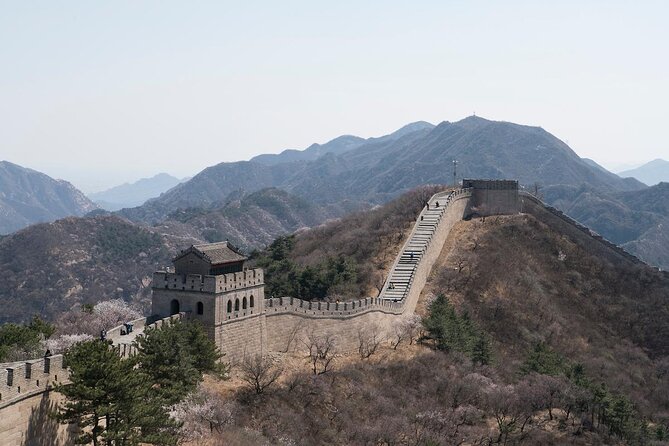
- A genuinely old section: Parts of the route follow a wall linked to the North Qi period, with origins reaching back more than 1,400 years.
- Three administrative areas in one hike: The route crosses Beijing, Hebei, and Tianjin near San Jie Bei, or three boundary tablets.
- A quiet alternative: You may spend much of the hike with only your group on the wall.
- Lunch in a mountain village: A homemade meal gives the day a local finish rather than a restaurant stop aimed at tour buses.
- Private transport included: Hotel pickup, an air-conditioned vehicle, entrance fees, bottled water, lunch, and a private guide are covered.
- A moderate fitness requirement: Wear proper hiking shoes and prepare for rough, unrestored sections in all weather.
Why this Great Wall route feels different
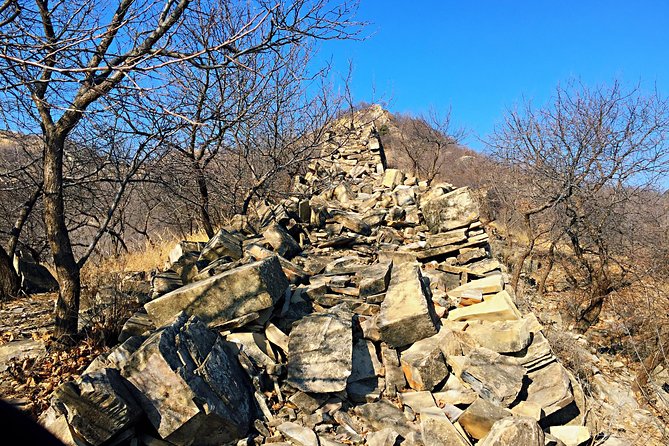
Most Great Wall day trips take you to a repaired section with broad steps, tidy paths, and plenty of people. That can be useful for a first visit, especially if you want easy access and classic photographs. Sanjiebei offers something else: a wall that feels older, rougher, and much less managed.
The route is particularly appealing if you want to see the wall as a working frontier structure rather than a restored monument. Sections of the old stonework remain in their original appearance, while other parts show later rebuilding. That contrast gives you a clearer sense of how the wall changed over time.
The tour description places the oldest work in the North Qi period, dating from around 550 AD. It also explains that parts of the Ming Wall were rebuilt on the foundation of earlier North Qi defenses. Dates are presented as more than 1,000 years old, and some sections are described as roughly 1,460 years old. The exact age varies by section, but the point is clear: you are walking beside some very old masonry.
You will not get the polished, uniform structure seen at the most famous sites. Stones may be loose or uneven, and vegetation can reclaim parts of the route. That is the appeal, but it also demands attention. Keep your footing, listen to your guide, and do not treat the wall like a normal paved walkway.
More Great Wall days out of Beijing:
- From Beijing: Mutianyu Great Wall Tours with Options
★ 4.9 · 9,216 reviews - All-Inclusive Tour: Tiananmen Square, Forbidden City, Great Wall
★ 5.0 · 2,873 reviews - MuBus: Mutianyu Great Wall ENG/ESP/RUS Guided Bus Tour
★ 5.0 · 2,361 reviews
The two-hour approach through mountain country
Pickup begins at 8:00 a.m. from your hotel in Beijing. The drive to the hiking area takes about two hours, so the day begins with a fairly long transfer. For me, that is a reasonable trade for reaching a quieter section, but you should know that this is not a quick city excursion.
The approach takes you past Jinhai Lake and Yangzhuang Reservoir. These sights help break up the drive and give you a look at the mountain country outside central Beijing. The route itself is part of the experience. You gradually leave the city behind before reaching the trailhead.
Your private vehicle matters here. You are not managing a group departure point or trying to connect by public transport to a remote trail. The air-conditioned vehicle takes you from your hotel to the hiking area and back downtown after lunch. For a private group, the $198 per-person price includes more than the walk itself: transport, guide, admission, water, and food all come together.
The exact value depends on your group size and priorities. A solo visitor may find the price high compared with a standard bus tour. A couple or small group that values quiet, flexible travel may find it fair, especially because the experience reaches a part of the wall that is difficult to visit in a typical packaged day trip.
A short mountain path leads to the original wall
After the vehicle arrives, you walk for about 10 minutes along a mountain path before reaching the old wall. This opening section is short, but it signals the nature of the day. You are not stepping straight from a parking area onto a broad tourist promenade.
At the wall, your guide can help explain the different building periods and the relationship between the older North Qi defenses and the later Ming rebuilding. This is where a guide adds real value. Without context, weathered stones can look like a pile of old masonry. With a clear explanation, you can begin to see how the structure developed and why some sections look different from others.
Peter is praised for being kind, patient, and clear when explaining the wall. Jason is also described as offering strong background on Chinese history and the Great Wall. If either guide is assigned to your group, you can expect a personal style of guiding rather than a large-group speech. Guide assignments are not guaranteed, so book the tour for the route and format rather than a specific person.
Three to four hours across rough stone and open views
The main hike takes about three to four hours. The route follows an unrestored section and gradually reaches San Jie Bei, the highest point of this part of the wall. The name means three boundary tablets, reflecting the point where the three areas meet.
This is the heart of the tour. You move through Beijing, Hebei, and Tianjin while staying on an old defensive line. That makes the route more than a scenic walk. The boundaries give the hike a clear goal, and the changing condition of the masonry keeps the route interesting.
Expect a gradual mountain walk with uneven surfaces. The tour calls for moderate physical fitness and comfortable hiking shoes. That wording should be taken seriously. You may encounter rough stones, irregular steps, and sections where the wall is not restored for easy public access.
The elevation and uneven ground can make the hike tiring, even if you regularly walk. Take the pace slowly and let your guide set a safe rhythm. A private tour helps because your group does not have to keep up with strangers or wait for a large bus party.
The quiet is another major attraction. One account describes walking for most of the route without seeing another hiker until the final stretch. That kind of solitude is difficult to find at popular Great Wall sites. You hear nature and your own footsteps instead of constant chatter and vendor calls.
The views are broad and open, with mountains surrounding the old wall. Since this is an outdoor route, conditions change with the weather. The experience operates in all weather, so bring clothing suited to the forecast. Rain can make old stone more slippery, while strong sun can make the exposed sections feel harder than expected.
More hikes around Beijing:
- From Beijing: Small Group Hike at Jinshanling Great Wall
★ 4.9 · 667 reviews - Beijing: Jingshanling Great Wall Trekking Tours with Options
★ 4.9 · 411 reviews - Beijing: Full-Day Small-Group Great Wall Hiking at Jinshanling
★ 5.0 · 347 reviews - Small Group 6km hiking Jinshanling Great Wall EN speaking driver
★ 5.0 · 347 reviews
San Jie Bei and the meaning of the route
Reaching San Jie Bei gives the hike a strong sense of purpose. You have not simply walked along one scenic section and turned around. You have followed an old border line toward a point tied to three present-day administrative areas.
That geographic detail is easy to miss on a standard Great Wall visit. Here, it becomes part of the story. The wall divided and connected regions long before modern tourism shaped the route. San Jie Bei gives your guide a natural place to explain how the area fits into the wider network of Chinese frontier defenses.
Do not expect a grand monument or a fully restored viewpoint at the top. The appeal is the location and the surrounding quiet, not a polished attraction. If you want a perfect staircase, formal exhibits, or an easy photo platform, choose a restored section instead.
After reaching the high point, you walk for about 20 minutes toward a small mountain village. This transition is one of the day’s nicest touches. You leave the old wall behind and move into a lived-in rural setting, where lunch is prepared as part of village life rather than served in a large tourist dining hall.
Homemade lunch in a small mountain village
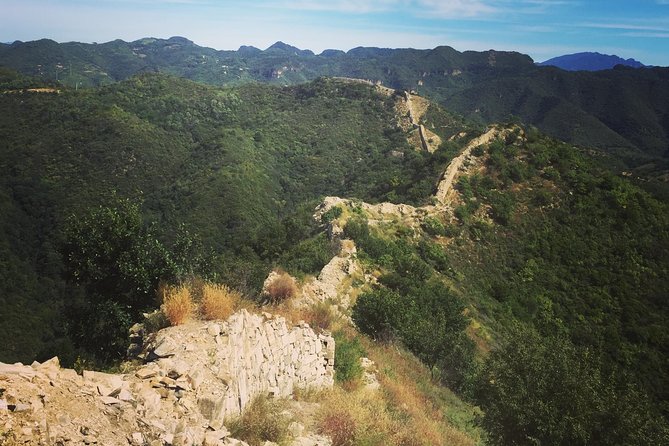
Lunch is included and features homemade Chinese specialties. The meal gives you a chance to rest after the hike and try food associated with the local area. It also keeps the day connected to the people who live around the wall.
The menu is not specified, so do not book this expecting a particular dish. A vegetarian option is available if you request it when booking. If you have dietary needs beyond that, the supplied information does not confirm what can be accommodated, so ask before paying.
The village setting is a useful part of the experience because it slows the day down. You are not rushing from a bus to a photo stop and then back to the city. You hike, reach a boundary point, walk to a village, eat, and then return to Beijing.
The lunch stop may feel basic compared with a city restaurant. That is part of the tradeoff. You choose a simple local meal and a small village setting over a broad menu and polished service. After several hours on the wall, the chance to sit down and eat matters more than elaborate presentation.
What private transport and guiding add
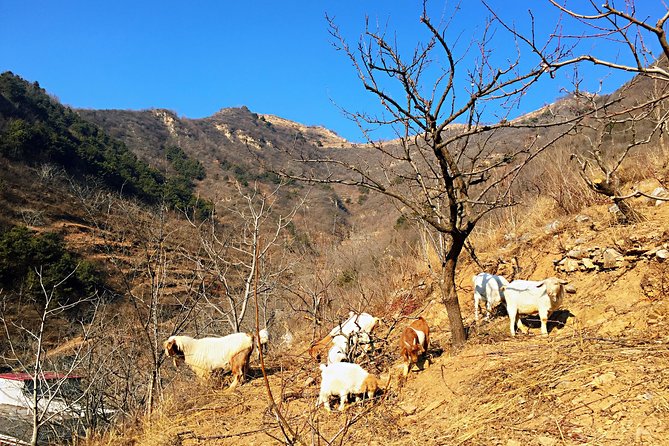
The private format is one of the strongest reasons to choose this tour. Only your group participates, and round-trip transfers are arranged from your hotel. That makes the day easier for families, couples, and small groups who want to move at their own pace.
A private guide is also helpful on an unrestored wall. The old stones do not explain themselves, and the route’s historical value can be easy to miss. A good guide can point out the relationship between the North Qi work and the Ming rebuilding, explain the three boundaries, and help you handle the rougher sections.
The personal attention can be especially useful for families. One guide, Peter, helped a nervous child on the wall and kept the mood positive. That does not remove the need for adult supervision, but it suggests that the guiding style can be patient and supportive.
The private format does not turn the hike into an easy outing. You still need suitable shoes, reasonable stamina, and clothing for changing weather. It simply gives you more control over the pace and more direct access to help when the route becomes challenging.
Who should book this hike
I would choose this tour if you have already seen a restored Great Wall section and want a more remote experience. It also suits you if quiet scenery, old masonry, and local food matter more than comfort and polished facilities.
Families can enjoy it if children are used to mountain walking and adults are prepared to help on uneven ground. The guide support is useful, but the tour still requires a moderate fitness level. A nervous child may need extra reassurance, and very young children may find the old wall difficult.
History-minded visitors will get the most from the route. The mix of North Qi origins, later Ming rebuilding, and the three-area boundary gives the hike more substance than a simple viewpoint visit. You do not need specialist knowledge, but you should enjoy walking and asking questions.
I would not choose it if you want a short, easy introduction to the Great Wall, have limited time in Beijing, or need smooth, accessible paths. The two-hour drive each way and three to four hours of hiking make this a full-day commitment.
At $198 per person, the tour is not the cheapest way to see the wall. It includes private transportation, a guide, entry fees, bottled water, and lunch, which improves the value for a small group. The price makes most sense when you care about avoiding crowds and reaching a place that standard tours often skip.
Practical details for a smoother day
Wear comfortable hiking shoes with good grip. Sneakers may be adequate in dry conditions, but the route is old and uneven, so sturdy footwear is the safer choice.
Bring clothing for the forecast because the tour runs in all weather. The wall is exposed, and conditions can change during a long hike. Water is included, but you may still want personal snacks for the drive or trail if you usually eat between meals.
The start time is 8:00 a.m., and the full outing lasts about nine hours. Allow the whole day rather than scheduling a tight evening appointment. The drive, hike, village lunch, and return journey all form part of the timetable.
Free cancellation is available if you cancel at least 24 hours before the local start time. Changes or cancellations made inside that window are not accepted for a refund.
Should you book the Sanjiebei hike?
Book it if you want the Great Wall without the crowds, enjoy a proper mountain walk, and value private transport and personal guiding. The old stones, three-area route, quiet trail, and village lunch give the day a clear sense of place.
Skip it if your priority is convenience, restored steps, or a short visit. This is a demanding day with a long drive and rough footing. For the right walker, though, it offers a more personal look at the Great Wall and a better chance to experience the structure as part of the mountains rather than as a crowded attraction.
FAQ
What time does the tour start?
The tour starts at 8:00 a.m. with pickup from your hotel in Beijing.
How long does the complete experience last?
The tour lasts about nine hours, including the drive, hike, lunch, and return to downtown Beijing.
How long is the Great Wall hike?
The hiking portion takes about three to four hours. After reaching San Jie Bei, you walk for about 20 minutes to a mountain village for lunch.
Which areas does the hike cross?
The route crosses Beijing, Hebei, and Tianjin. It reaches San Jie Bei, a point named for three boundary tablets.
Is lunch included, and can I request vegetarian food?
Lunch is included and features homemade Chinese specialties in a mountain village. A vegetarian option is available if you request it when booking.
What should I wear for the hike?
Wear comfortable hiking shoes and dress appropriately for the weather. The tour operates in all weather, and the route requires a moderate level of physical fitness.
Just added around Beijing
- Xian: Must see Eternal Love or Camel Bell Legend show Ticket★ 5.0 · 3 reviews
- 2-Day Beijing Must-See Tour:4 UNESCO Sites+Tian’anmen&Hutong★ 5.0 · 4 reviews
- Beijing: 2-Day private Tour with Great wall& Forbidden city★ 5.0 · 5 reviews
- Xian: Bus Tour of Terracotta Warriors With Guide & Lunch★ 4.2 · 5 reviews
- Private Transfer to Mutianyu Great Wall with professional driver★ 5.0 · 19 reviews
- Twilight Glow at Badaling Great Wall Evening Bus Tour+Ticket★ 4.9 · 11 reviews
- Yuxiandu Chinese Royal Cuisine Museum with Show and Royal Banquet★ 5.0 · 4 reviews
- ZANBUS: Trip to the Jinshanling Great Wall Departing at 7:30 AM★ 5.0 · 5 reviews
Beijing Great Wall Tours, compared.

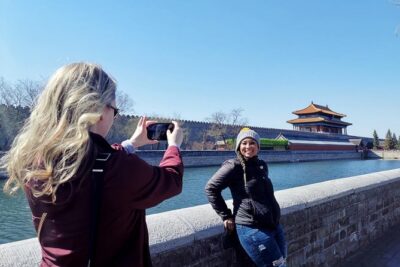
All-Inclusive Tour: Tiananmen Square, Forbidden City, Great Wall
Read our review →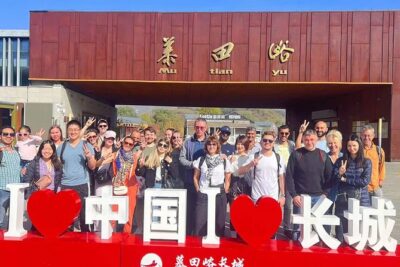
MuBus: Mutianyu Great Wall ENG/ESP/RUS Guided Bus Tour
Read our review →
Beijing Full Day Tours: Tiananmen Sq, Forbidden City, Great Wall
Read our review →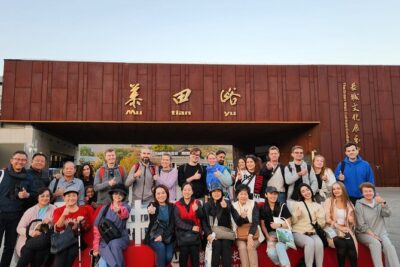
Mubus: Mutianyu Great Wall Bus Tour with Summer Palace Options
Read our review →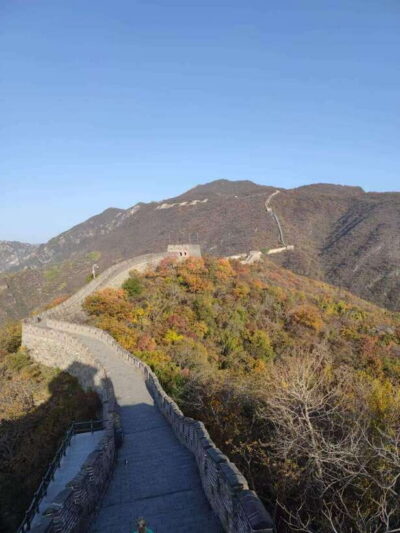
Mutianyu Great Wall Private Trip with English Driver
Read our review →
Private Mutianyu Great Wall Trip with English-Speaking Driver
Read our review →Browse the lists this tour appears in