
Reviewed · BEIJING FOOD TOURS AND PEKING DUCK DINNERS
Beijing: Hidden Gems Guided Food Tour with Beer and Tastings
Beijing’s best food experiences often hide behind plain doors and down lanes too narrow for a tour bus. This 3.5-hour evening walk takes you through the hutongs around Shichahai, stopping at four local eateries for hotpot, noodles, spring pancakes, and a rare Muslim dish linked to Empress Cixi.
I like the mix of serious local food and easy cultural context. Guides such as Janice, Tony, Winnie, Yoyo, and Haitao are praised for clear English, warmth, and useful advice. I also like that the route includes dishes you might not find by searching the usual tourist streets. The main consideration is the walking: about 1.5 miles through old lanes, with limited suitability for people with mobility impairments.
Key points at a glance
- A full Beijing dinner in four stops: Come hungry, because the tastings are substantial rather than token samples.
- Hotpot with a historic view: Cook thin slices of mutton and beef in a clear broth, then dip them in sesame sauce while looking toward Beijing’s old bell tower.
- A true hutong food route: The restaurants are tucked into neighborhood lanes and courtyards that can be difficult to find alone.
- Rare food with a story: One Muslim specialty is linked to Empress Cixi and is now served in only a small number of Beijing restaurants.
- A helpful first-night choice: Your guide can introduce local dishes, explain ordering customs, and suggest more food for the rest of your stay.
- Good value at $75: Four food stops, a walking tour, drinks, and an English-speaking guide make this more than a simple meal.
Why this Beijing food walk works
This is not a restaurant crawl across modern shopping streets. The route begins at Shichahai Subway Station and threads through old hutong lanes, where courtyard homes sit behind walls and everyday neighborhood life carries on around you.
You cover roughly 2.5 kilometers, or 1.5 miles, over the evening. That distance is manageable for most active walkers, but it is still worth wearing comfortable shoes. Hutong lanes can be uneven, and the experience is not suitable for people with mobility impairments.
The food gives the walk a clear purpose. Instead of stopping for one famous dish and calling it dinner, you sample four different styles of Beijing eating. You get a warm hotpot meal, a bowl of noodles, a traditional pancake dish, and a less familiar specialty from Beijing’s Muslim food culture.
The guides are an important part of the experience. Janice is repeatedly praised for her clear English and friendly manner. Tony is known for humor and strong food knowledge, while Winnie is particularly good at connecting dishes with Beijing’s history, society, and economy. Yoyo, Haitao, Joe, Uyi, and others have also led highly praised evenings.
The exact guide changes, but the format stays personal and conversational. You are not simply handed a plate and left to guess what you are eating. The guide explains how the food fits into local life, then leads you through the lanes between stops.
More Beijing food tours and Peking duck dinners:
- Beijing Hutong Walking Food and Beer Tour at Hidden Restaurants
★ 5.0 · 1,132 reviews - Temple Heaven, Lama Temple, Summer Palace & Peking Duck Bus Tour
★ 5.0 · 377 reviews - Beijing Hutong Breakfast Food Tour
★ 5.0 · 155 reviews
Meeting at Shichahai and entering the hutongs
The meeting point is Shichahai Subway Station, Exit C, at street level. The station is on Line 8, and taking the subway is strongly recommended because traffic around this part of Beijing can be heavy, especially at rush hour.
You should arrive about 10 minutes before the 6:30 PM start. If you use a taxi or Didi, the Chinese destination is 什刹海地铁站C东南口. That detail matters, since map searches and English addresses can be unreliable in Beijing.
Once the group is together, the route heads into the hutongs. These lanes date back to the 12th century and developed between rows of courtyard homes built for officials and wealthy families. The guide explains the meaning of the word hutong and how these neighborhoods have changed around the Forbidden City.
The evening setting is a good fit. You get a look at old Beijing after the day’s sightseeing crowds have thinned, with food stops providing regular breaks. The route is not a formal architectural tour, so do not book it expecting a detailed survey of every courtyard. Instead, you get a practical sense of how the lanes connect and how local restaurants operate inside them.
That is part of the appeal. Several restaurants are deep inside courtyards or down streets you could easily pass without noticing. Without a guide, finding them could take time, and reading the menu may be another challenge.
Copper-pot hotpot and the bell tower view
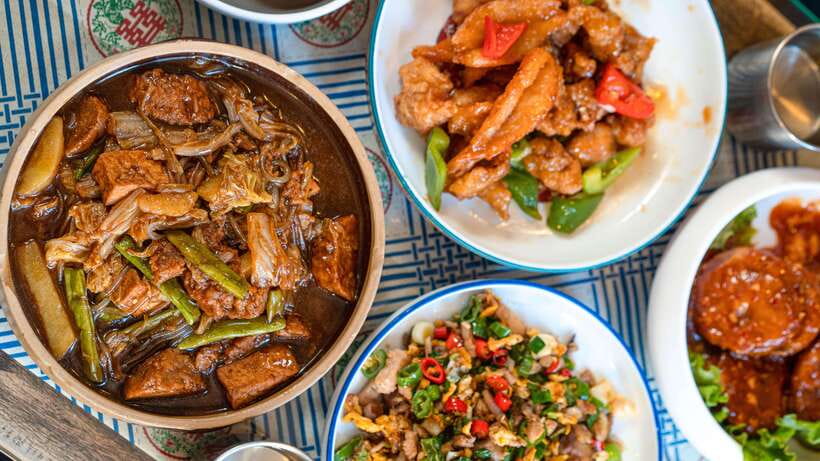
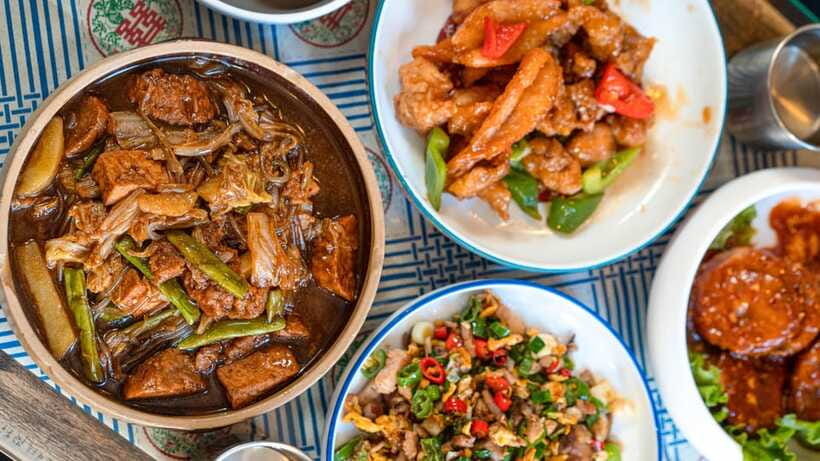
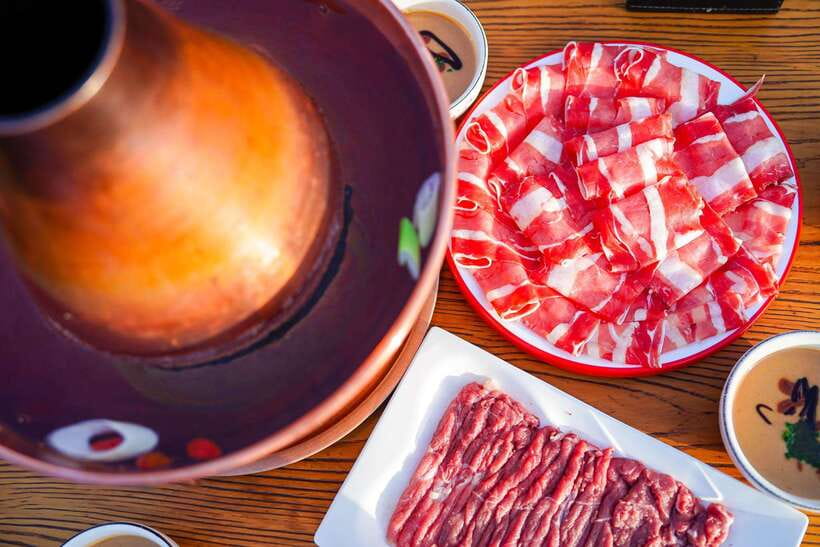
The hotpot stop is one of the evening’s strongest moments. You sit with a traditional copper pot filled with clear broth, then cook thin slices of mutton and beef at the table.
The clear broth keeps the focus on the meat and the cooking method. You do not get a heavy, strongly seasoned soup doing all the work. The usual dip is a sauce based on sesame paste, which adds a nutty, creamy note to the tender meat.
This is a useful introduction to northern Chinese hotpot. The meal is social by design, with everyone cooking and dipping from the same pot. It also gives the guide something practical to explain, from how long to cook the meat to how the sauce changes the flavor.
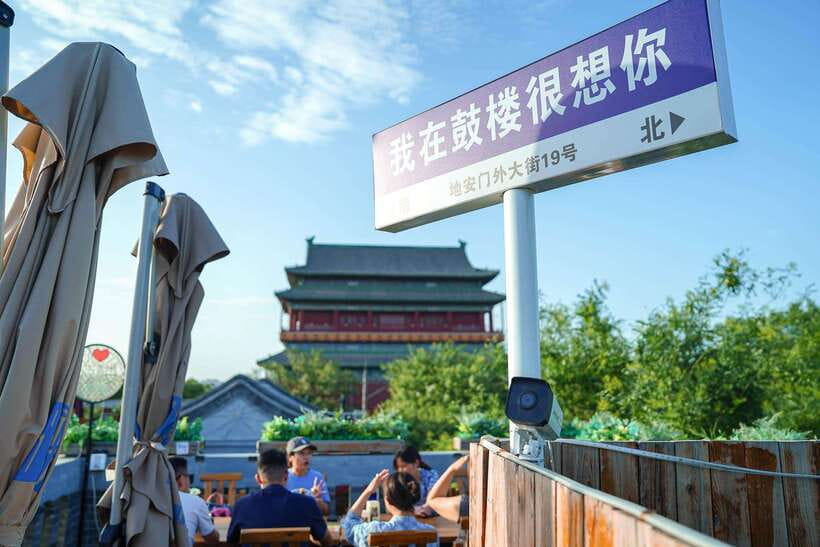
The setting adds another layer. The restaurant offers rooftop views toward Beijing’s historic bell tower, giving you a look at an old city landmark while eating a very local meal. The view is especially appealing in warmer weather, though the tour operates in all weather conditions, so dress for the forecast.
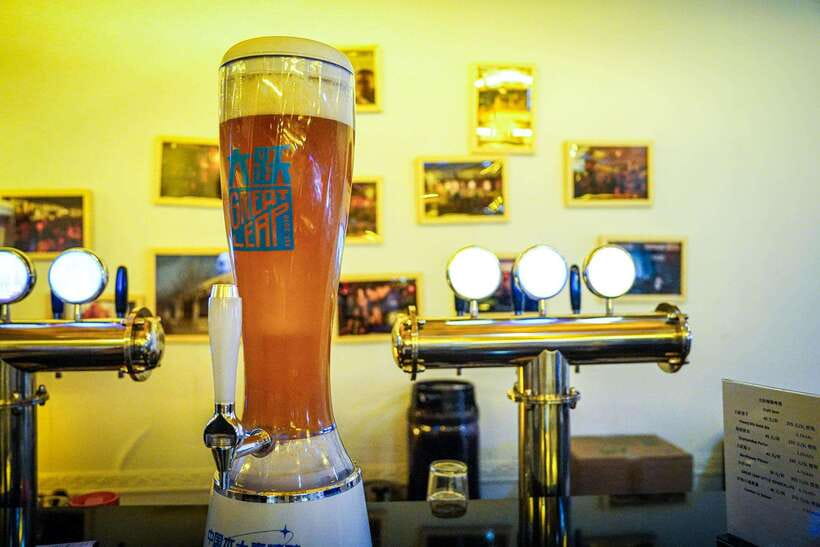
A locally brewed craft beer accompanies the stop. The experience includes a pint of local craft beer, and the inclusions also mention unlimited beer and sodas. Since drink service can vary with the day’s arrangements, it is sensible to confirm the exact setup with your guide at the start.
Hotpot is filling, and this is only the first major food stop. Pace yourself. You will want to taste everything that follows.
Beijing noodles in a tiny neighborhood shop
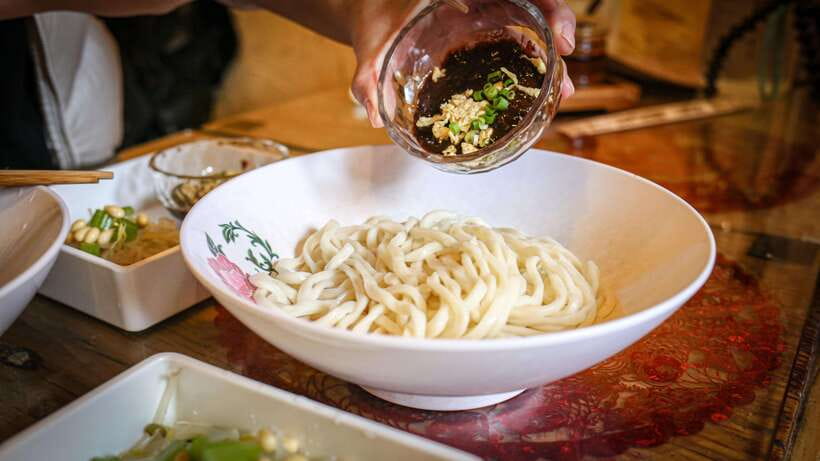
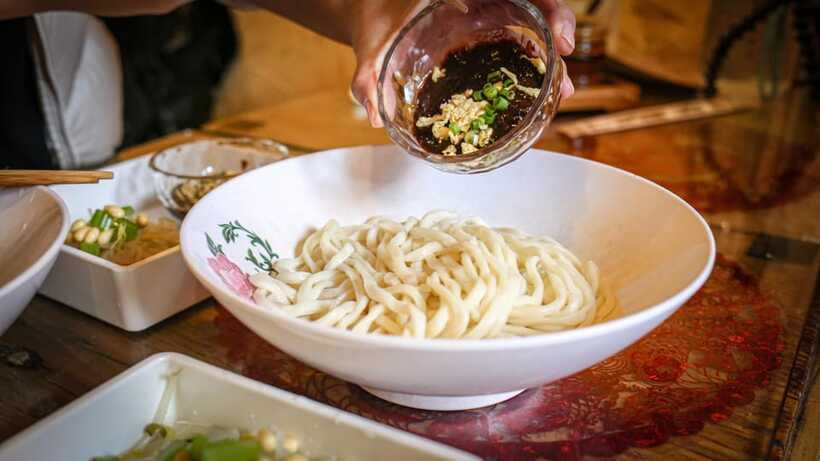
When Beijingers want a familiar noodle meal, they often turn to zhajiangmian, commonly called Beijing noodles. The dish uses wheat noodles with a savory bean-based sauce, though the exact house preparation can differ.
This stop takes you to a small noodle restaurant inside a hutong courtyard. It is described as a hole-in-the-wall place with a made-from-scratch recipe, so expect simplicity rather than polished decor.
That simplicity is useful. A noodle shop like this shows you how a regular Beijing meal can look when stripped of tourist presentation. The attraction is the recipe, the setting, and the chance to see a local specialty prepared in a working neighborhood restaurant.
Several guides have used the noodle stop to explain how people mix the sauce and noodles. You can ask questions without needing to manage the ordering yourself, which is a real advantage if you cannot read Chinese.
The portion sizes across the full tour are generous. People often finish the evening very full, so do not treat the noodle course as a small appetizer. If you have a large breakfast or an early dinner before the tour, you may struggle to enjoy the later dishes.
More bars and drinking tours in Beijing:
- Authentic Old Beijing Hutong Food and Beer Private Tour
★ 5.0 · 49 reviews - Beijing Imperial Dining Experience at Bai Jia Da Yuan Restaurant with Houhai Lake Bar Tour
★ 5.0 · 16 reviews - Beijing Nightlife with a Local Friend Bars Social and Culture
★ 5.0 · 9 reviews - Beijing Hutong Dinner and Beer Walking Private Tour
★ 5.0 · 9 reviews
The rare Muslim specialty linked to Cixi
One of the most unusual stops is a small Muslim eatery serving a rare Beijing specialty associated with Empress Cixi, often called the Dragon Lady in English-language accounts.
The dish is described as endangered because very few restaurants in the city still serve it. That makes this stop different from simply trying a popular dish at a busy restaurant. You are tasting a food tradition that may be difficult to locate independently.
The restaurant is frequented mainly by neighborhood men, and bottles of baijiu are kept behind the counter. That detail gives you a glimpse of the informal social life connected with small local eateries. It may not feel polished or designed for sightseeing, and that is precisely why the stop feels distinctive.
You should arrive with an open mind. A rare dish may not resemble the food you already associate with Beijing, and the setting may be basic. The guide’s explanation is important here, since the cultural story is part of what makes the food worth trying.
Baijiu, a strong Chinese grain spirit, may also appear during the meal. The tour includes beer and sodas, while the food stops may introduce additional local drinks such as rice wine or baijiu. If you do not drink alcohol, tell the guide. Dietary requirements should also be given when booking.
Spring pancakes and family tradition
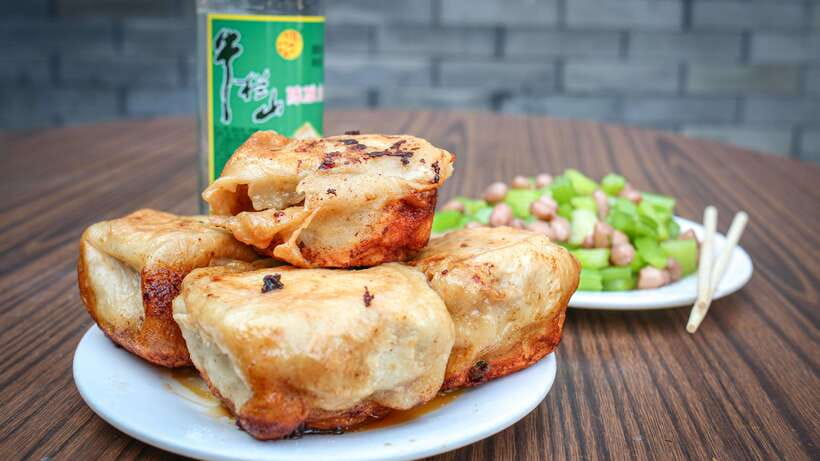
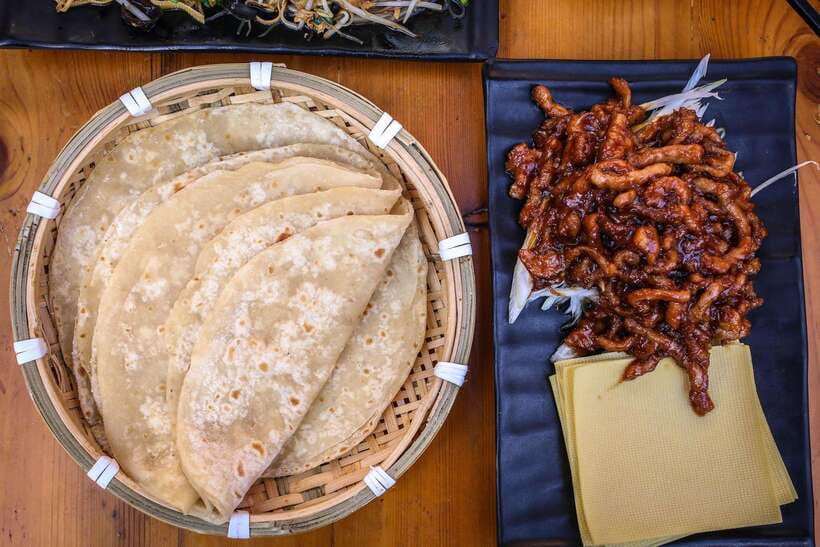
The final main stop focuses on spring pancakes, a dish traditionally eaten with family during Chinese New Year to mark the arrival of spring and hopes for a good harvest.
The pancakes are made fresh to order and eaten by wrapping fillings inside, much like a burrito. The shape and shared preparation connect the dish with family reunion and togetherness, so this is more than another flour-based snack.
A husband-and-wife team runs the restaurant. That gives the stop a small, personal feel, and it also lets the guide explain how a seasonal family food became a year-round specialty.
The spring pancakes are a good contrast to the hotpot and noodles. Hotpot is communal and leisurely, noodles are quick and comforting, while the pancakes involve assembling and wrapping your own food. You get variety in both taste and eating style.
By this point, you may already be full. Treat the final stop as a chance to sample rather than a challenge to clean every plate. The tour is built as dinner, not a series of tiny bites, and the food quantity is one of its most praised features.
The exact lineup can change with vendor schedules and availability. That means one evening may not match another in every detail. The four-stop structure and local focus remain the key points, but you should view the menu as flexible.
What $75 gets you
At $75 per person, this is not the cheapest way to eat in Beijing. You could spend far less at a noodle counter or neighborhood restaurant if you were ordering independently.
The value comes from combining food, guiding, navigation, cultural explanation, and drinks in one evening. You receive four food stops, enough food for dinner, a walking tour, a local English-speaking guide, a pint of locally brewed craft beer, and beer or sodas as listed in the inclusions.
You are also paying to reach places that are not obvious from the main streets. A visitor can certainly find Beijing noodles or hotpot alone, but locating a particular courtyard restaurant and identifying a rare Muslim specialty is harder.
For a first or short visit, the price makes more sense. You can try several local dishes in a single evening and use the guide’s suggestions to shape later meals. Several guides also offer practical food tips during the walk, which can help you order with more confidence afterward.
The full meal matters. You are not paying $75 for four spoonfuls and a lecture. The portions are substantial enough that you should arrive hungry and avoid scheduling a large meal beforehand.
Timing, weather, and comfort
The tour begins at 6:30 PM and lasts about 3.5 hours. That makes it easy to fit after daytime sightseeing, but it also means you will be walking and eating into the evening.
The tour operates in all weather. In summer, the rooftop hotpot view can be especially pleasant, but Beijing’s weather can change. In colder months, bring a proper layer because hutong walking includes time outdoors between restaurants.
Comfortable shoes are essential. The distance is not extreme, but the tour is built around walking through old lanes rather than moving directly from car to restaurant. The route is not suitable for people with mobility impairments.
Dietary needs should be shared when booking. The food is centered on meat, wheat noodles, hotpot, and shared dishes, so you should not assume that every course can be changed on the spot.
The minimum operating requirement is two people. If that minimum is not met, the operator may cancel after confirmation and offer another date or a full refund.
You can cancel up to 24 hours in advance for a full refund, and the reserve-now, pay-later option helps if your Beijing schedule is still shifting.
Who will enjoy this most
I would choose this tour for a first night in Beijing, especially if you want food to help you get your bearings. It gives you a meal, a neighborhood walk, and a basic introduction to several important local flavors at once.
It also suits people who enjoy small restaurants more than formal dining rooms. The settings are local, sometimes plain, and often tucked away. That is a strength if you want ordinary neighborhood food, but not if you need a highly polished restaurant experience.
Food lovers will appreciate the variety. You move from hotpot to noodles, then to a rare Muslim dish and spring pancakes. History fans will also get useful context about hutongs, Cixi, Chinese New Year, and the old city around the Forbidden City.
The tour works well for couples and small groups. Some evenings have a small group, which allows more conversation with the guide and makes shared dishes easier to manage. The operator does not provide a group-size figure here, so do not book based on an expectation of a particular number.
I would be more cautious if you have limited walking ability, strict dietary restrictions, or little interest in meat and regional food. The route is not built around substitutions, and the meal is intentionally broad rather than tailored to a narrow diet.
Should you book this Beijing food tour?
Book it if you want a substantial dinner in places you probably would not find alone. The strongest reasons are the four-stop variety, the rare Muslim specialty, the hutong route, and the chance to learn from guides such as Janice, Tony, Winnie, Yoyo, or Haitao.
The $75 price is fair when you count the food, drinks, guiding, and navigation. It is especially useful early in your stay, when local recommendations can improve every meal that follows.
Skip it if you prefer to choose each restaurant yourself, need a short flat walk, or want a refined dining setting. Otherwise, arrive hungry, wear good shoes, and let the guide handle the ordering. This is a practical and flavorful way to meet Beijing through its neighborhood food.
FAQ
Where does the Beijing food tour begin?
It begins at Shichahai Subway Station, Exit C, at street level. The station is served by Line 8. You should meet the guide 10 minutes before the 6:30 PM start.
How long is the tour?
The experience lasts about 3.5 hours and includes roughly 1.5 miles, or 2.5 kilometers, of walking through Beijing’s hutong lanes.
How many food stops are included?
You visit four food stops with tastings. The food is intended to be equivalent to dinner and includes hotpot, noodles, a rare Muslim specialty, spring pancakes, and possible additional surprises.
Are drinks included?
Yes. The inclusions list a pint of locally brewed craft beer, plus unlimited beer and sodas. Local drinks such as baijiu or rice wine may also be introduced during the food stops.
Is the tour available in English?
Yes. The tour includes a live English-speaking guide. Guides may vary, with names including Janice, Tony, Winnie, Yoyo, Haitao, Joe, Uyi, and others.
Is the tour suitable for people with mobility impairments?
No. The tour involves about 2.5 kilometers of walking through historic hutong alleyways and is not suitable for people with mobility impairments.
More food tours in Beijing
- 3-Hour Private Night Tour: Beijing Foodie Experience
★ 5.0 · 53 reviews - Beijing Hutong Food Crawl Delights: Peking duck, Hotpot&More
★ 4.9 · 32 reviews - Authentic Local Food Tour in Center Beijing
★ 5.0 · 26 reviews - Beijing: Hutong Breakfast Food Tour
★ 5.0 · 22 reviews
More food and drink tours in Beijing
- Beijing Private Hutong Food Walking Tour
★ 5.0 · 299 reviews - Beijing Hutong Breakfast Food Tour
★ 5.0 · 120 reviews - Beijing Walking Food Tour with a Local Friend
★ 5.0 · 73 reviews - Experience Beijing Walking Food Tour Private
★ 5.0 · 56 reviews
Just added around Beijing
- Xian: Must see Eternal Love or Camel Bell Legend show Ticket★ 5.0 · 3 reviews
- 2-Day Beijing Must-See Tour:4 UNESCO Sites+Tian’anmen&Hutong★ 5.0 · 4 reviews
- Beijing: 2-Day private Tour with Great wall& Forbidden city★ 5.0 · 5 reviews
- Xian: Bus Tour of Terracotta Warriors With Guide & Lunch★ 4.2 · 5 reviews
- Private Transfer to Mutianyu Great Wall with professional driver★ 5.0 · 19 reviews
- Twilight Glow at Badaling Great Wall Evening Bus Tour+Ticket★ 4.9 · 11 reviews
- Yuxiandu Chinese Royal Cuisine Museum with Show and Royal Banquet★ 5.0 · 4 reviews
- ZANBUS: Trip to the Jinshanling Great Wall Departing at 7:30 AM★ 5.0 · 5 reviews
Beijing Food Tours and Peking Duck Dinners, compared.
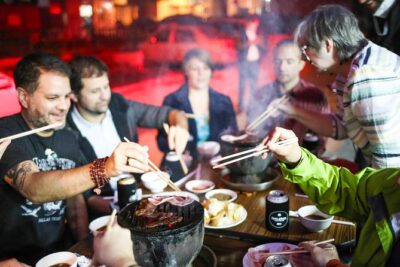
Beijing Hutong Walking Food and Beer Tour at Hidden Restaurants
Read our review →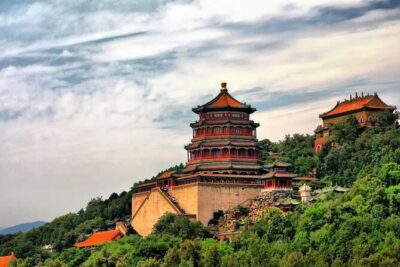
Temple Heaven, Lama Temple, Summer Palace & Peking Duck Bus Tour
Read our review →
Boutique Tour: Four Must-sees of Beijing and Peking Duck
Read our review →
Beijing Roast Duck Banquet and Acrobatics Show with VIP Seats Evening Tour
Read our review →
Browse the lists this tour appears in