
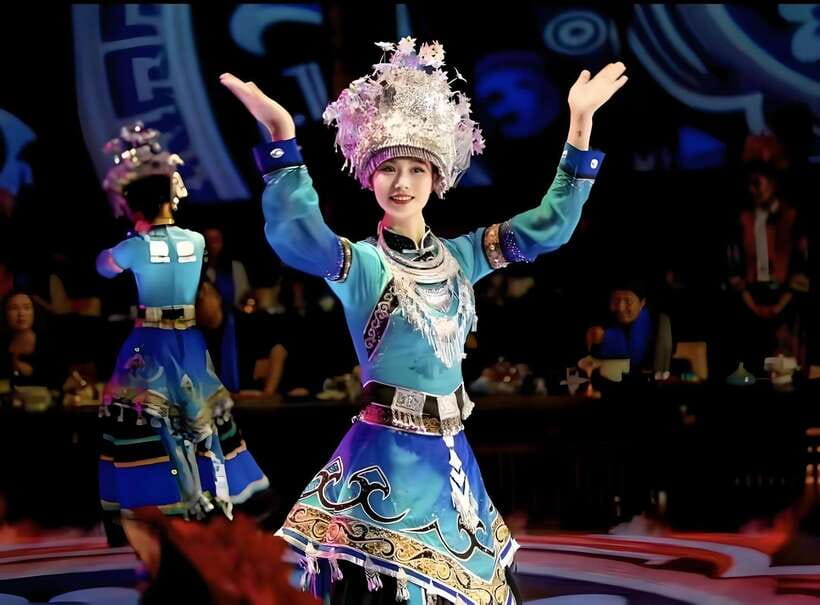
Reviewed · BEIJING IMPERIAL BANQUET DINNERS
Beijing Royal Banquet with Chinese culture prefermance
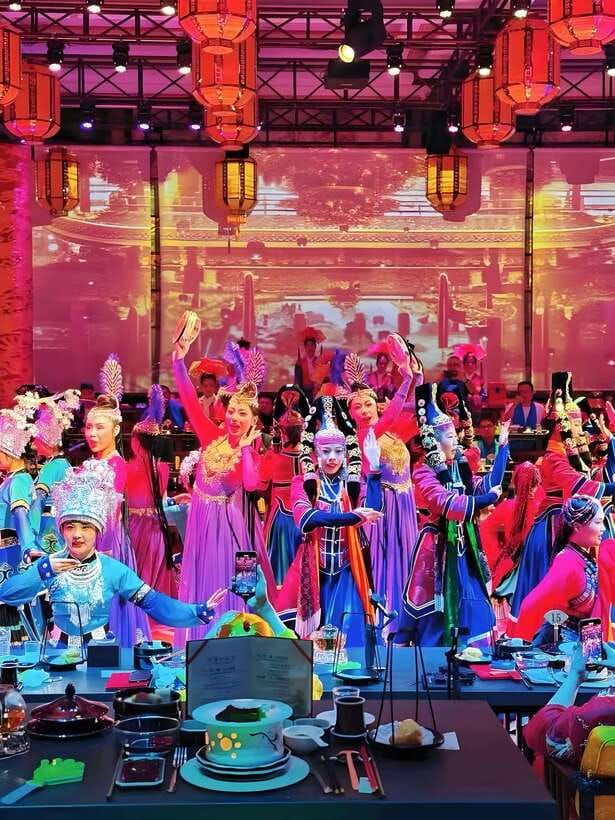
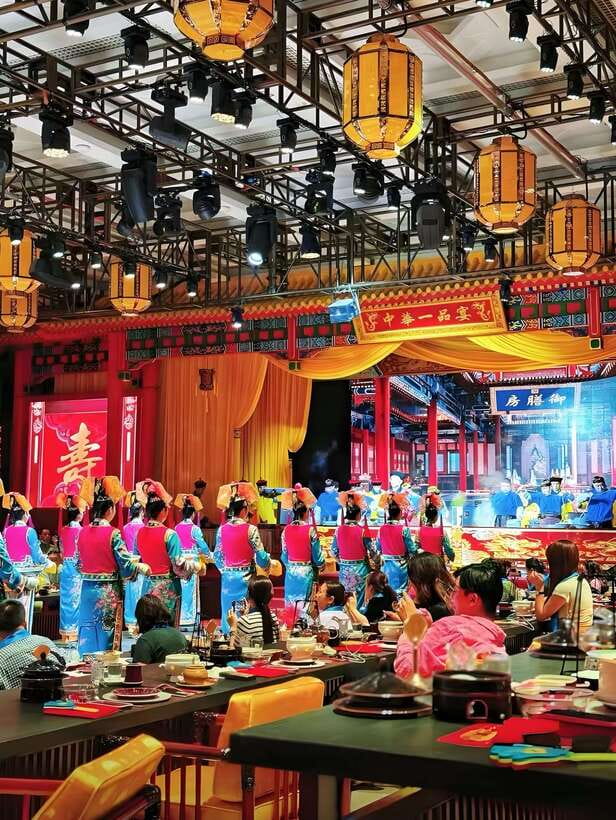
The main draw here is the pairing of a large traditional banquet with Chinese cultural performances. You are not simply sitting down for roast duck. The meal takes place at Yuxiandu, a venue with a 1,500-square-meter royal cuisine exhibition area and a dining space of more than 10,000 square meters.
I like the chance to try several formal Chinese dishes in one sitting, especially sea cucumber with fish maw, roast duck cooked with jujube wood, and longevity noodles. I also like the practical setup: English and Chinese hosts, wheelchair access, and a separate entrance that helps you get inside with less fuss.
The main consideration is the price, $150 per person. That can be good value if you want a full meal, a staged cultural program, and a large purpose-built venue, but it is not a casual local lunch. Arrive on time, too: lunch guests should be there before 11:15, and dinner guests before 18:15.
Key points to know before booking
- Royal-style banquet: Expect a formal Chinese meal with multiple courses rather than one quick plate.
- Cultural performance included: Your meal comes with Chinese cultural entertainment, though the exact program is not specified.
- Yuxiandu’s exhibition space: The venue includes about 1,500 square meters devoted to royal cuisine history and culture.
- A very large dining operation: More than 10,000 square meters are used for the tasting experience, supported by a transparent, energy-saving central kitchen.
- English and Chinese support: A host or greeter can assist in either language.
- Firm arrival times: Be there before 11:15 for lunch or before 18:15 for dinner.
What the Yuxiandu setting adds to the meal
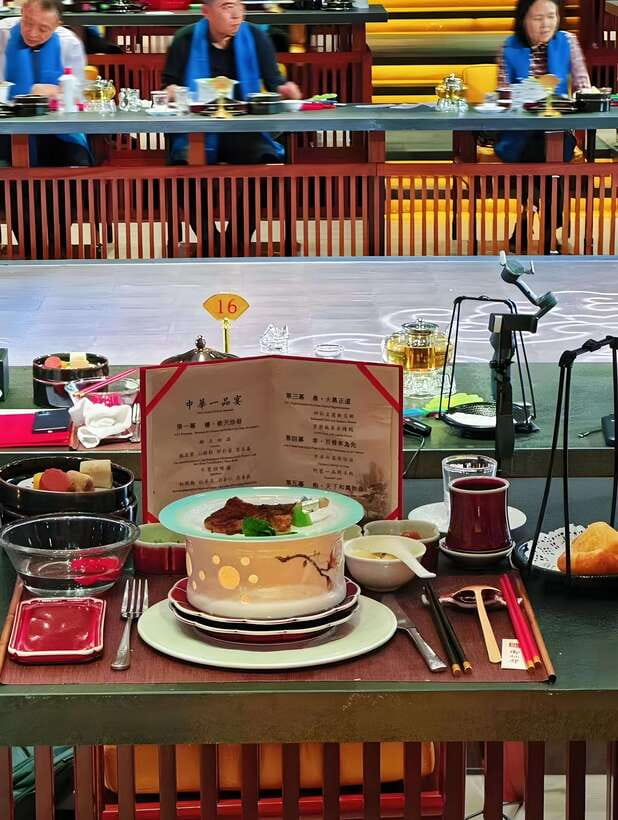
Yuxiandu is designed to connect food with Chinese court-style dining traditions. Its exhibition area covers about 1,500 square meters, giving the experience more cultural framing than a standard restaurant reservation.
You should think of the venue as part dining hall, part cultural display, and part production center. Traditional elements are combined with modern ones, and the central kitchen is described as transparent, green, environmentally friendly, and energy-saving. That tells you this is a large organized venue rather than a small family restaurant.
The scale matters. With more than 10,000 square meters devoted to the tasting experience, this is built to handle formal group dining and special occasions. If you like polished presentation and a sense of ceremony, the size may feel fitting. If you prefer a quiet neighborhood restaurant with a short menu, the setting could feel grander than necessary.
The location is No. 117, West Fourth Ring North Road, in Haidian District. The information provided does not specify hotel pickup or transportation, so you should plan your own route to the meeting point and allow time to arrive before the required dining cutoff.
More imperial banquet dinners in Beijing:
The banquet begins with small bites and an appetizer platter
The meal opens with snacks and an appetizer platter. These first courses are useful because they give you a gentle start before the heavier dishes arrive.
A formal Chinese banquet often uses small opening plates to show variety, color, and texture. Here, the exact snacks are not listed, so you should not expect a fixed set of named items beyond the appetizer platter. Treat this part as an introduction to the meal rather than the main event.
You may find that the opening courses help balance the richer dishes that follow. They also make the meal feel like a progression, not a single large serving. For first-time visitors to Chinese banquet dining, this sequence is part of the appeal.
Sea cucumber, fish maw, tofu, and bamboo shoots
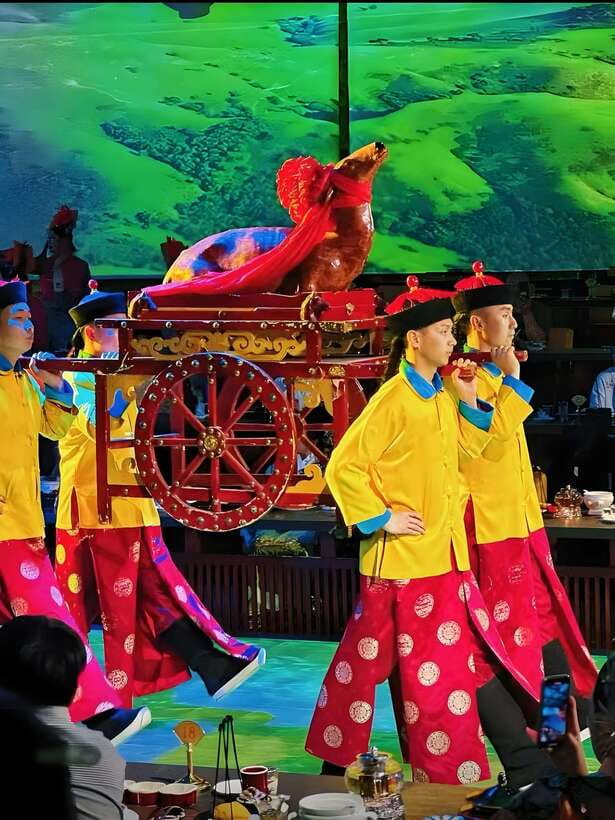
One of the more distinctive dishes is braised sea cucumber with fish maw in a casserole. Sea cucumber and fish maw are both associated with formal Chinese cooking, and the casserole preparation suggests a slow, savory dish rather than something crisp or lightly seasoned.
This is a dish to approach with curiosity. The ingredients may be unfamiliar if you usually eat Western or simple Chinese food, and their texture is likely to matter as much as their flavor. The provided information does not give a recipe or seasoning profile, so I would avoid expecting a particular taste.
The menu also includes marinated tofu and bamboo shoots. This gives the banquet a lighter contrast to the braised seafood dish. Tofu is familiar to many diners, while bamboo shoots add a different texture and a clear connection to traditional Chinese ingredients.
Together, these courses show why the banquet is more than a roast duck meal. You get soft, braised, marinated, and vegetable-based dishes in the same sitting.
Roast duck cooked with jujube wood
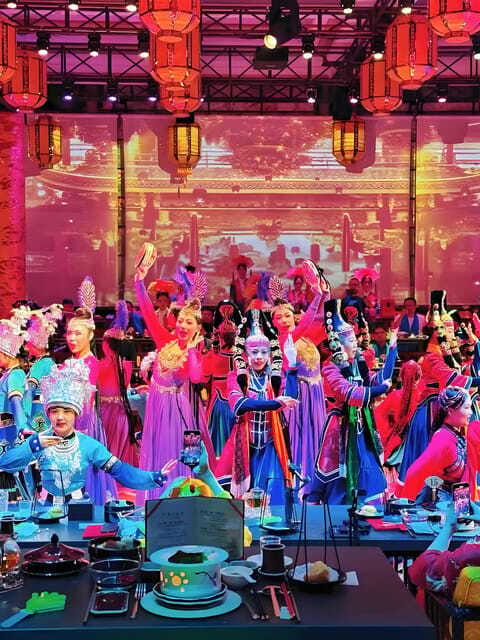
Roast duck is likely to be the most immediately familiar centerpiece for many diners. Here, the duck is prepared with jujube wood, which gives the dish a specific traditional touch and helps distinguish it from ordinary roast duck served without any special description.
The experience does not state whether the duck is carved tableside or served in a particular style, so keep expectations open. What you can count on is that it forms part of a broader banquet rather than arriving as the only main course.
I like this balance. You have a recognizable dish to anchor the meal, along with more unusual courses such as sea cucumber and fish maw. That makes the menu suitable for a mixed group, including people who want to try new food but still prefer one known favorite.
A completely different kind of day in Beijing:
- From Beijing: Mutianyu Great Wall Tours with Options
★ 4.9 · 9,216 reviews - Beijing: Forbidden City Tour(Group/Private)-Tickets Included
★ 4.8 · 7,974 reviews - Beijing: T-Square & Forbidden City Group or Private Tour
★ 4.8 · 4,446 reviews - All-Inclusive Tour: Tiananmen Square, Forbidden City, Great Wall
★ 5.0 · 2,873 reviews
Soup, lamb, and the main savory courses
Chinese cabbage in soup provides another change of pace. After the richer braised seafood and roast duck, a vegetable soup can help keep the meal from feeling like one long succession of heavy dishes.
Roasted lamb follows in the main banquet selection. Lamb gives the table another strong flavor and adds variety beyond poultry and seafood. Since the information does not specify the cut, seasoning, or roasting method beyond the dish name, you should view it as one course in a set menu rather than a standalone specialty order.
The sequence is designed for sharing and tasting. You do not need to decide on one entrée, and you can compare very different ingredients across the meal. That makes the banquet useful for a first introduction to formal Chinese dining, especially if you are eating with family or a small group with mixed preferences.
Longevity noodles and the final sweet courses
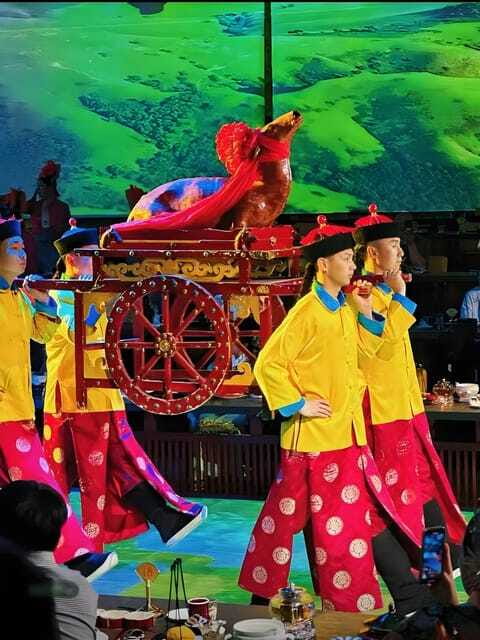
The meal includes longevity noodles with poached eggs. Longevity noodles carry a clear cultural meaning in Chinese dining, often connected with long life and celebration. Their place in this banquet gives the meal a symbolic finish as well as another substantial course.
The final items include deep-fried dough sticks, known as youtiao, served with milk, along with yogurt filled with honey. Youtiao is often associated with breakfast or casual Chinese eating, so its appearance in a royal-style banquet creates an interesting contrast between familiar everyday food and formal dining.
The yogurt and honey provide a mild, sweet ending. Again, the exact serving size and presentation are not given, but the menu offers a clear progression from savory courses to simple desserts.
Do not expect this to function like a Western dessert course with pastries or elaborate cakes. The finish is more closely tied to Chinese breakfast and dairy-based flavors.
Chinese cultural performances during the meal
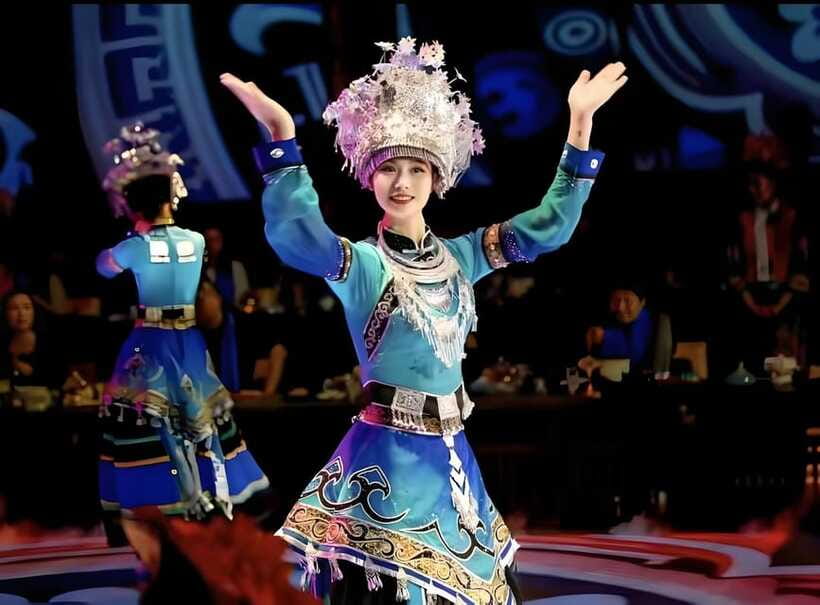
The experience includes Chinese cultural performances, which are central to the royal banquet theme. The exact art forms, length, and schedule are not provided, so you should not book this expecting a named opera, dance, or music program unless the provider confirms it after booking.
What you can expect is a meal paired with staged cultural entertainment rather than food alone. That can make the evening or midday visit feel more like a special event, particularly if you are introducing someone to Chinese customs for the first time.
The performance also changes how you use the two and a half hours. This is not a quick meal where you arrive, eat, and leave. You will have food, presentation, and entertainment sharing the same time block, so it works best when you are willing to sit and let the program unfold.
If conversation over dinner is your main goal, keep the performances in mind. The cultural program may draw your attention away from the table at certain points. For many people, that is part of the value. For others, a quieter restaurant would be a better match.
What $150 per person really buys
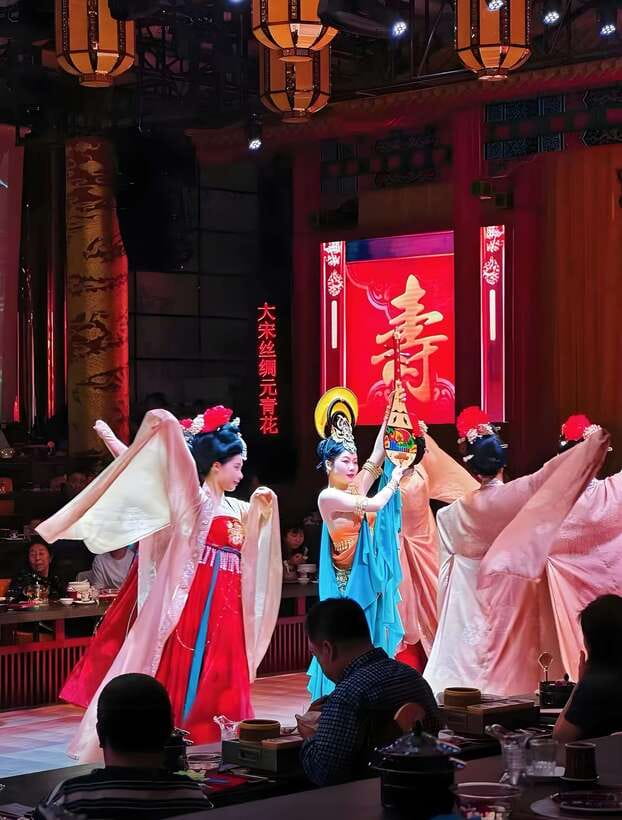
At $150 per person, this is a premium dining experience. The price is not just paying for the ingredients. It also covers the royal-style setting, the cultural performances, the exhibition area, the large dining operation, and the structured banquet format.
I would compare it with the cost of arranging several separate experiences in Beijing. You receive a substantial set meal, access to a venue focused on royal cuisine culture, and an organized performance in one booking. If those elements matter to you, the price may be reasonable for a special occasion.
The value is weaker if you only want to taste roast duck. Beijing has many ways to eat duck, and this package adds layers that may not interest every diner. You are paying for the full presentation, not simply for one famous dish.
The booking terms do help with planning. You can reserve now and pay later, keeping your plans flexible, and cancellation is free up to 24 hours in advance for a full refund. Those terms are useful in Beijing, where sightseeing plans can shift quickly.
Timing, access, and who should book
The experience lasts 2.5 hours. For lunch, arrive before 11:15. For dinner, arrive before 18:15. These are not casual suggested times, so build your transport plan around them.
A separate entrance is available, which may make arrival easier. English and Chinese hosts or greeters are available, and the venue is wheelchair accessible. The activity does not provide a named guide, so do not expect a personal city tour or a long guided walk around Beijing.
This suits you best if you want:
- A formal Chinese meal with many courses
- A cultural show included with dinner or lunch
- A venue with a royal cuisine exhibition
- A planned experience rather than an improvised restaurant visit
- A meal that includes both familiar and less familiar Chinese ingredients
It may not suit you if you want a small local eatery, a flexible arrival time, or the freedom to order individual dishes.
Should you book the Beijing Royal Banquet?
Book it if you want a polished cultural evening built around food, performance, and royal-style presentation. The menu gives you a broad taste of banquet cooking, from tofu and bamboo shoots to sea cucumber, roast duck, lamb, noodles, youtiao, and honey-filled yogurt.
Skip it if $150 feels high for a meal or if you are mainly seeking everyday Beijing food. The strongest reason to choose this experience is the combination of a substantial banquet and Chinese cultural performances at Yuxiandu. Arrive early, confirm the performance details after booking, and treat the visit as a special cultural event rather than a simple restaurant meal.
FAQ
Where does the Beijing Royal Banquet take place?
The meeting point is No. 117, West Fourth Ring North Road, Haidian District, Beijing, China.
How long does the experience last?
The banquet and cultural performance last 2.5 hours.
How much does the experience cost?
The price is $150 per person.
What food is included?
The meal includes snacks, an appetizer platter, braised sea cucumber with fish maw in a casserole, marinated tofu and bamboo shoots, roast duck with jujube wood, Chinese cabbage in soup, roasted lamb, longevity noodles with poached eggs, deep-fried dough sticks with milk, and yogurt filled with honey.
Are cultural performances included?
Yes. Chinese cultural performances are included as part of the royal banquet experience.
What time should I arrive for lunch?
You should arrive before 11:15 for lunch.
What time should I arrive for dinner?
You should arrive before 18:15 for dinner.
Is the venue wheelchair accessible?
Yes. The activity is wheelchair accessible.
Are English-speaking hosts available?
Yes. Host or greeter service is available in Chinese and English.
Can I cancel for a full refund?
Yes. You can cancel up to 24 hours in advance for a full refund.
Can I reserve now and pay later?
Yes. The reserve now and pay later option lets you keep your plans flexible and pay nothing at the time of booking.
Just added around Beijing
- Xian: Must see Eternal Love or Camel Bell Legend show Ticket★ 5.0 · 3 reviews
- 2-Day Beijing Must-See Tour:4 UNESCO Sites+Tian’anmen&Hutong★ 5.0 · 4 reviews
- Beijing: 2-Day private Tour with Great wall& Forbidden city★ 5.0 · 5 reviews
- Xian: Bus Tour of Terracotta Warriors With Guide & Lunch★ 4.2 · 5 reviews
- Private Transfer to Mutianyu Great Wall with professional driver★ 5.0 · 19 reviews
- Twilight Glow at Badaling Great Wall Evening Bus Tour+Ticket★ 4.9 · 11 reviews
- Yuxiandu Chinese Royal Cuisine Museum with Show and Royal Banquet★ 5.0 · 4 reviews
- ZANBUS: Trip to the Jinshanling Great Wall Departing at 7:30 AM★ 5.0 · 5 reviews
Beijing Imperial Banquet Dinners, compared.
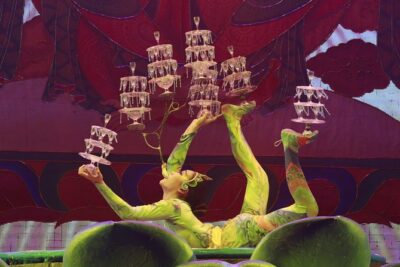
Beijing Roast Duck Banquet and Acrobatics Show with VIP Seats Evening Tour
Read our review →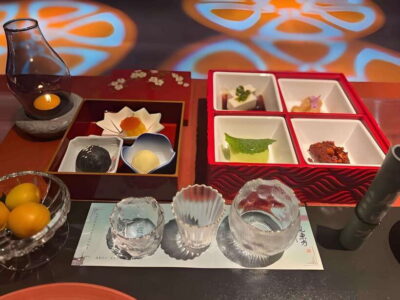
Beijing Royal Dinning Experience with cultural performance
Read our review →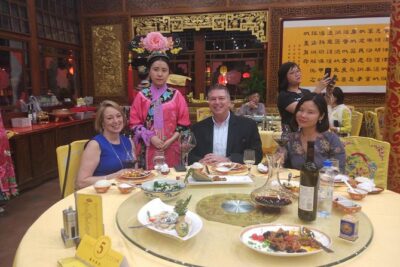
Beijing Imperial Dining Experience at Bai Jia Da Yuan Restaurant with Houhai Lake Bar Tour
Read our review →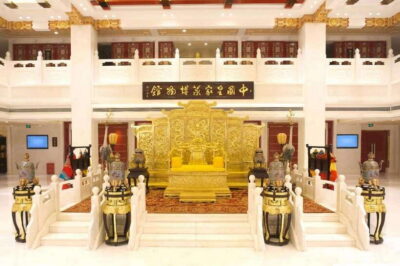
Imperial Cuisine Experience & Cultural Performance
Read our review →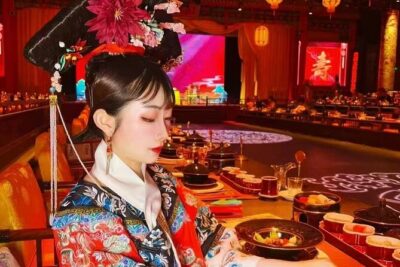
Yuxiandu Chinese Royal Cuisine Museum with Show and Royal Banquet
Read our review →Browse the lists this tour appears in