
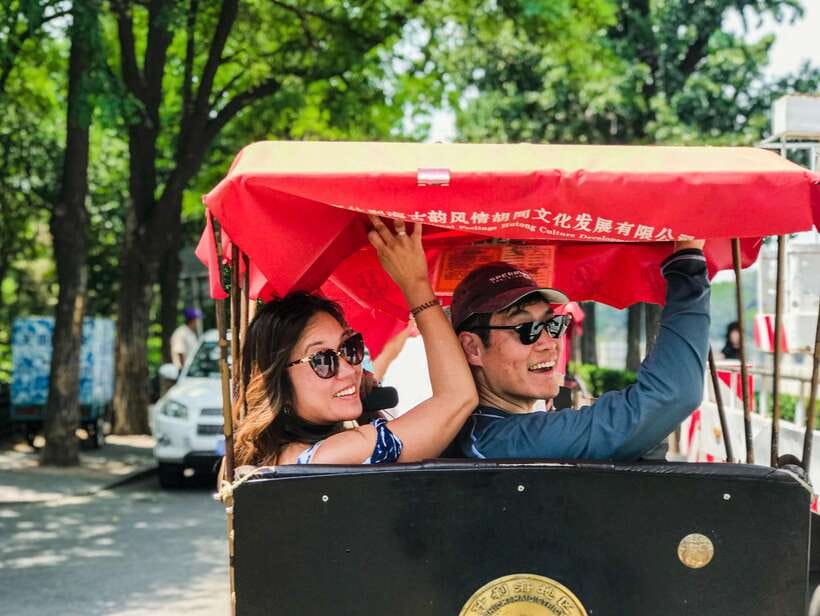
Reviewed · BEIJING HUTONG TOURS
Beijing: Hutongs & Drum Tower City Walking Tour
Beijing’s hutongs give you something the city’s grand palaces cannot: a close look at ordinary life in old Beijing. This tour links the lanes around Qianhai and Houhai lakes with Yandai Byway, a Taoist temple, a traditional courtyard home, and the Drum Tower. I especially like the small-scale view of Beijing life and the chance to reach places that are easy to miss on your own.
I also like the food stops. Guides such as Jenny and Tony have helped visitors choose local dishes and snacks, from noodles and baozi to less familiar foods, while guides including Alice, Amber, Lisa, and Susan have been praised for clear English and warm, careful hosting. The main consideration is cost: at $69, the tour offers strong value if you want context and help with food, but entrance fees, public transport, and some optional activities cost extra.
Key points to know before you book

- Qianhai and Houhai lakes: Walk beside Beijing’s old waterways before turning into quiet residential lanes.
- A 30-minute rickshaw option: Two people share one hooded tricycle, priced at 200 CNY for two participants.
- A living courtyard neighborhood: Visit a local family if you choose that option and see the layout of rooms such as the kitchen and living area.
- Yandai Byway food stop: Use free time for local snacks and small shops, with Chinese cash handy.
- The 600-year-old Drum Tower: Climb for views and, at suitable times, see the traditional drum performance.
- Flexible format: Private and small-group bookings are available, with an English-speaking guide and free cancellation up to 24 hours ahead.
Why Beijing’s hutongs are worth your afternoon
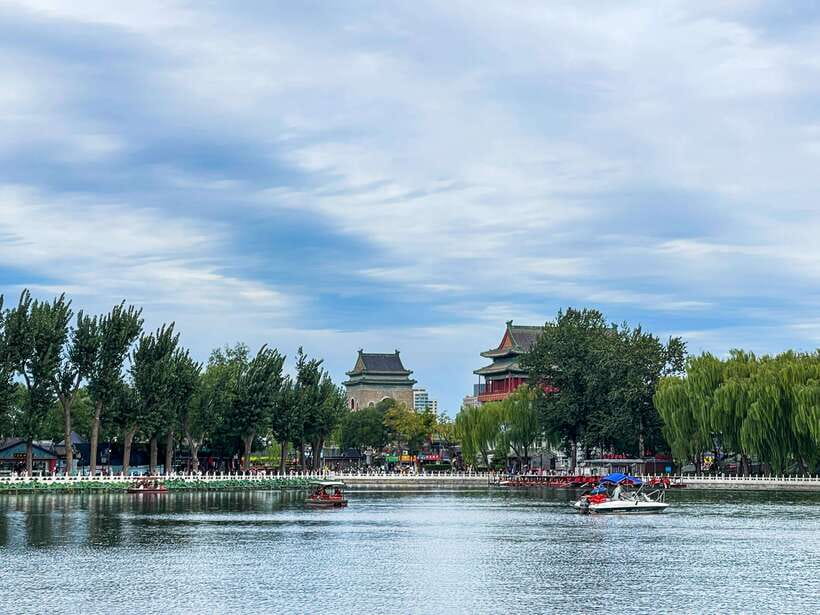
Beijing’s old lanes are the real reason to book this walk. A hutong is not one attraction but a network of narrow streets and alleys lined with traditional courtyard homes. Some date back roughly 300 to 700 years, and they show a side of Beijing that can disappear behind wide roads, office towers, and major monuments.
I like the way this route connects the lanes to water. The walk around Qianhai and Houhai gives you open views first, then leads you into the tighter streets of the old city. That change helps you understand how Beijing was organized, with waterways, bridges, temples, commercial lanes, and homes all close together.
The tour also gives you a guide to explain what you are seeing. Without that help, a courtyard gate may look like just another doorway. With context, you can start to notice the difference between grander homes and more modest ones, the way the lanes are arranged, and how old neighborhoods continue to function as places where people live.
Do not expect every hutong to be silent or perfectly preserved. These are living parts of the city, not open-air museums. That is their appeal, but it also means the walk may feel less polished than a purpose-built sightseeing site.
More hutong tours in Beijing:
- Beijing Hutong Walking Food and Beer Tour at Hidden Restaurants
★ 5.0 · 1,132 reviews - Old Beijing Dinner Tour
★ 5.0 · 348 reviews - Temple Heaven, Summer Palace, Lama Temple, Hutong Bus Tour
★ 4.7 · 319 reviews
From Shichahai Station to the old waterways
The usual meeting point is Exit A2 of Shichahai subway station on Line 8, although the exact meeting point can depend on the option you book. Public transport is not included, so you will need to arrange your own way to the start.
The route begins near the water and includes Qianhai Lake, Houhai Lake, Wanning Bridge, and the Jing-Hang Canal. The bridge dates to the Mongolian dynasty, giving the opening section a strong historical setting without requiring a long museum visit.
A Taoist temple beside the canal is another early stop. Here, your guide can explain Taoist beliefs, local gods, and the place of religion in modern Chinese life. One useful angle is the connection between old religious traditions and younger Chinese people today. This is not simply an architectural stop. It gives you a chance to ask how religion is practiced and understood in present-day Beijing.
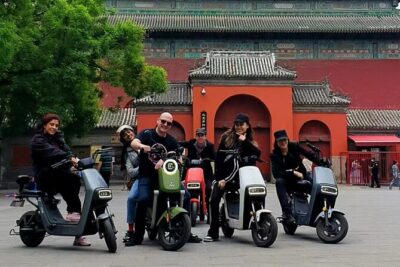
The water section is also a good pace setter. You get time to look around, take photos, and ask questions before entering the narrower lanes. If your booking includes bicycles, the ride may begin with a circuit around Qianhai and Houhai. That option appeared in one itinerary, so check the exact choice available to you rather than assuming every booking includes it.
Yandai Byway and Beijing snacks
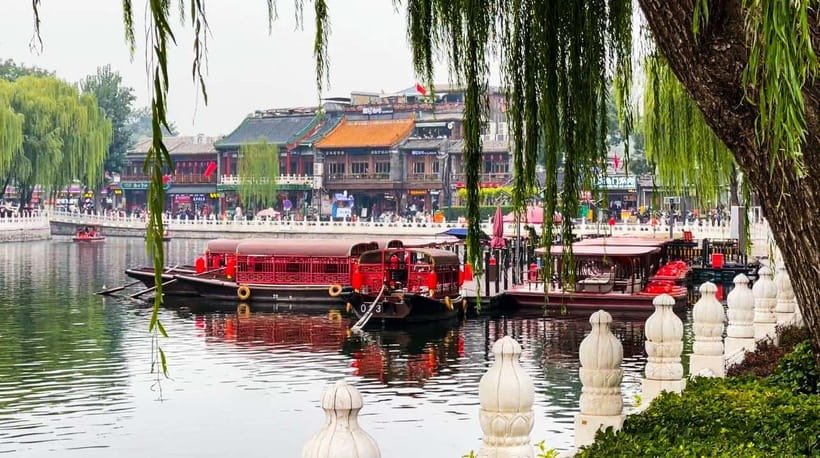
Yandai Byway is an old commercial street, and it brings a change of mood after the quieter temple and lakeside walking. You will have free time to browse small shops, look for souvenirs, and try local snacks.
This is where the guide can make a real difference. Food names and ingredients can be hard to sort out when you do not read Chinese, and several guides have helped visitors find dishes that suited them. Jenny, in particular, has assisted people with specific food needs, while other guides have introduced drinks, pastries, noodles, and traditional Beijing dishes.
Bring Chinese cash if you want to buy food from the local stores. That small detail matters. The tour price does not cover your snacks or meals, and the experience works best if you can stop for something instead of only watching other people eat.
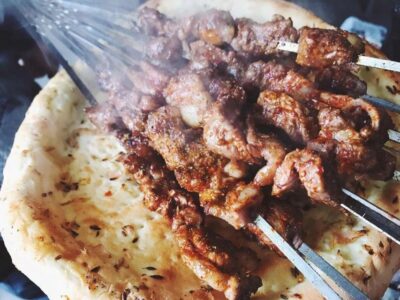
The food is not presented as a formal tasting menu. It is more like a series of useful introductions along the route. You might try a drink, a pastry, or a snack from a small shop, then later sit down for a more substantial meal. One itinerary included local noodles, pork liver, and baozi near the Drum Tower. Another included durian pie. The exact choices will depend on the guide, the day, and your own preferences.
If you are cautious about unfamiliar food, tell your guide early. The strongest part of the food experience is not the number of items but the help choosing what makes sense for you.
A traditional courtyard home and a look at daily life
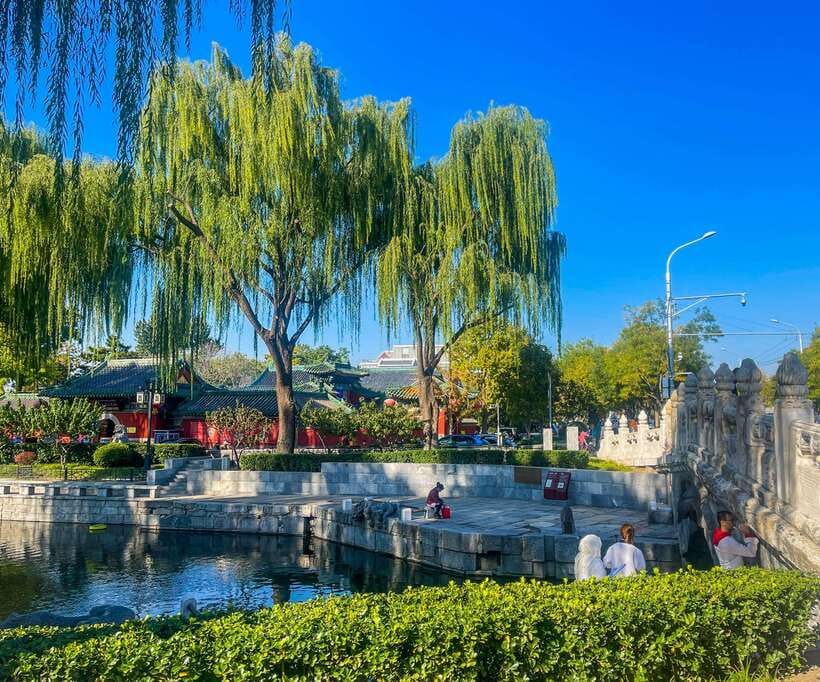
The optional home visit is one of the most useful parts of the experience for anyone curious about housing. You can greet a local family, chat with them, and see a traditional courtyard house. The visit may include the kitchen, living room, and bedroom layout.
That matters because hutong architecture is easier to understand from inside. Walking past closed gates tells you only so much. Seeing the arrangement of rooms helps you picture how a courtyard home worked and how families used different parts of the house.
The visit is an option, so confirm that it is part of your booking. It also calls for a little social awareness. You are entering someone’s home, not simply checking off another attraction. Keep your questions friendly and follow your guide’s lead about photos and conversation.
I would choose this option if you want human context rather than only streetscapes. If you prefer a faster walk focused on monuments, the home visit may make the tour feel less efficient. For most people interested in Beijing’s old neighborhoods, though, it adds something you cannot get from a standard viewpoint.
More walking tours in Beijing:
- Private Beijing Walking Tour of the Forbidden City with 7 Options
★ 5.0 · 675 reviews - Forbidden City Private Walking Tour with Optional Sights
★ 5.0 · 400 reviews - Beijing Private Hutong Food Walking Tour
★ 5.0 · 299 reviews - Beijing: Hutong Culinary Walking Tour with 15+ Tastings
★ 5.0 · 162 reviews
The rickshaw ride: charming, short, and optional
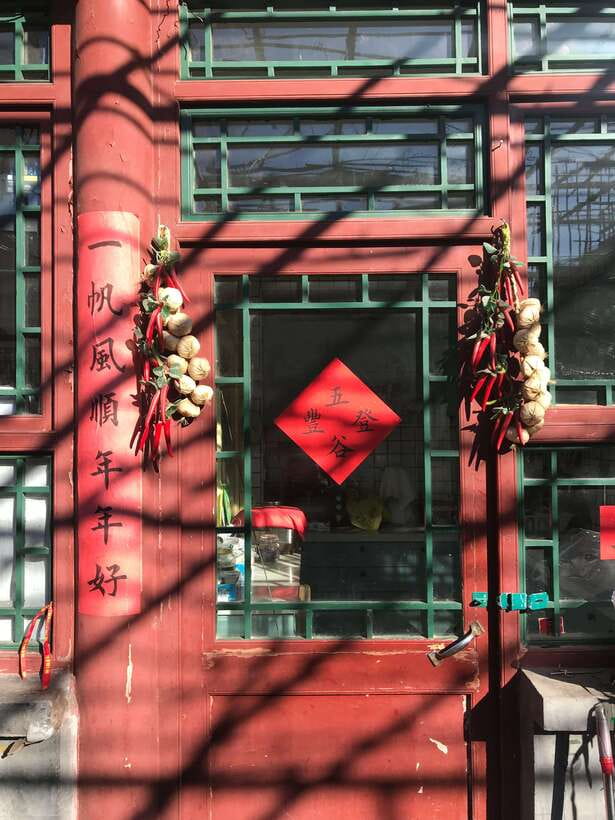
The rickshaw is a hooded tricycle associated with old Beijing and once used by wealthy residents and officials. On this tour, two people share one rickshaw for about 30 minutes. The listed price is 200 CNY for two participants, so check whether it is included in your selected package or paid separately.
I see the ride as a pleasant extra rather than the heart of the tour. It lets you pass through old lanes without walking every step and gives you a different view of the courtyard walls and narrow streets. The historical connection is part of the appeal: the experience recalls the kind of hutong ride enjoyed by Richard Nixon and his wife during their 1972 visit to China.
Still, you should not book the tour mainly for the rickshaw. Thirty minutes is a short portion of a three to four-hour outing, and the most useful explanations will come while walking with your guide. If you are traveling alone, the two-person pricing may also need clarification.
Walking from the lanes to Drum Tower Square
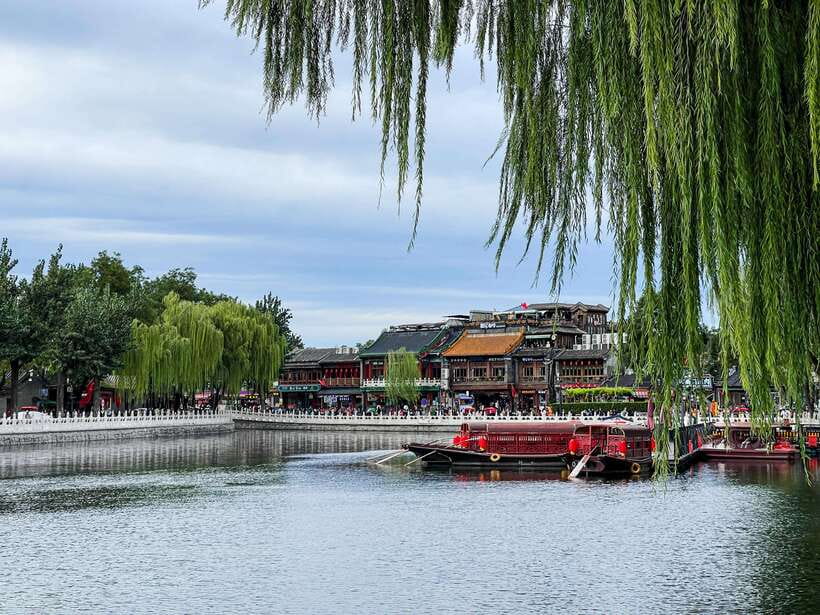
After the hutongs, the route heads toward the square between the Drum Tower and Bell Tower. This open space provides a helpful transition from residential Beijing to the city’s old timekeeping center.
Your guide can connect the towers with stories about Beijing residents across different dynasties and into modern times. The point is not just to see two old buildings. It is to understand how they once helped organize daily life in the capital.
The Drum Tower itself is about 600 years old, and the tour includes climbing it. The interior and upper level make this a more active stop than a quick exterior photo. If the timing works, you can see the drum performance, which adds sound and ceremony to the visit.
The climb is worth noting if you have limited mobility or dislike stairs. The activity is described as wheelchair accessible, but the Drum Tower climb and the rickshaw or hutong portions may not suit every wheelchair user in the same way. Ask about the exact route and option before booking if accessibility is important to you.
The view from the Drum Tower gives you a useful final look over the old district. You can compare the tight hutong lanes with the larger city beyond them, then finish with local food near the tower.
What the guides add to the experience
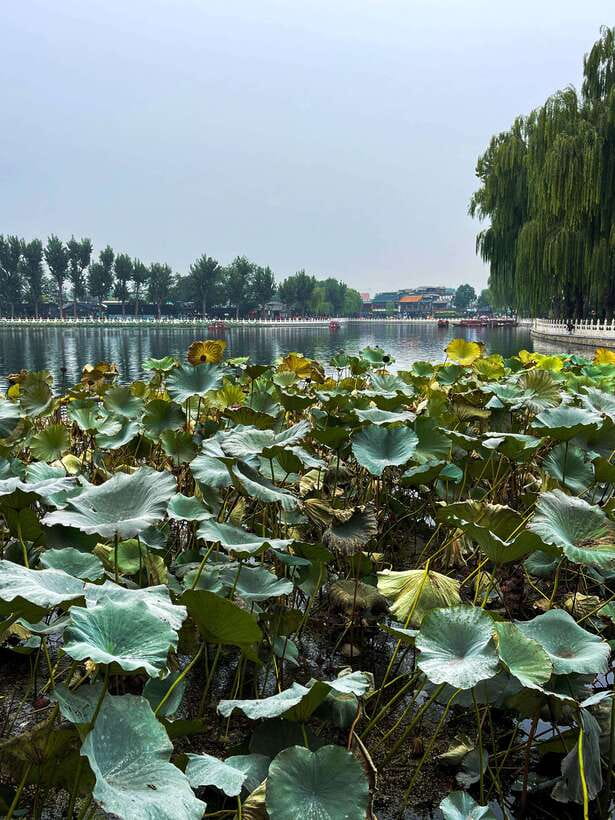
This tour depends heavily on the guide. The route itself is good, but a strong guide turns a walk through old streets into a readable story.
Several guides have been singled out for different strengths. Alice has been praised for looking after families, offering snacks, and accompanying visitors through the activity. Amber has been described as easygoing and helpful, with strong local knowledge and a willingness to offer extra food and city advice. Jenny has helped people with food choices and explained religion, history, and everyday life.
Lisa, Susan, Tony, Johnny, Linda, and Kolar Lee have also led well-received outings. Tony’s route included the lakes, food, Drum Tower performance, and Luogu Lane. Susan added current social and religious observations and even joined a bell tower visit that was not part of the basic tour. Kolar Lee combined the rickshaw, a home visit, the Drum Tower, and a traditional meal.
You cannot guarantee a particular guide unless the operator confirms one. Still, the repeated praise for clear English, patience, flexibility, and personal attention suggests that the guiding style is a major strength. Private and small-group formats should suit people who want to ask plenty of questions or adjust the pace.
Is $69 a fair price?
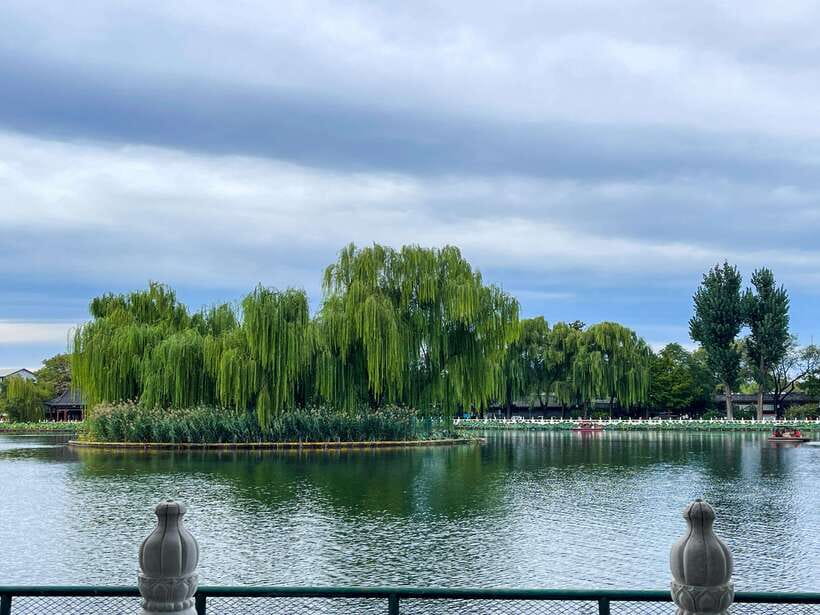
At $69 per person, this is not the cheapest way to see a hutong. You can walk around the lake district and explore some lanes independently for much less. The price makes more sense if you want a guide, historical explanation, food help, and a planned route that combines several different stops.
The tour also saves you from piecing together the temple, lakes, Yandai Byway, courtyard homes, and Drum Tower on your own. For a first Beijing visit, that structure has real value. You are paying for orientation as much as transportation or admission.
Remember that public transportation and entrance tickets are not included. Food, souvenirs, the rickshaw option, and possibly the home visit may also involve additional costs depending on the package. The description specifically lists rickshaw and home visit as included when that option is selected, so read the choice carefully before paying.
The strongest value comes when you use the guide actively. Ask about the courtyard layout, Taoist beliefs, local food, and changes to the hutongs. If you only want a short photo stop at each place, the price will feel less attractive.
Timing, comfort, and who should book
Plan on three to four hours. That is long enough to cover several neighborhoods without taking an entire day away from the Forbidden City, Temple of Heaven, or other major sights.
Wear shoes suited to walking. The route includes lakeside paths, commercial streets, hutong lanes, and the Drum Tower climb. Bring your passport, which is listed as required, and Chinese cash for food and small purchases.
I think this tour suits first-time visitors, couples, families, food-curious visitors, and anyone with a short stay who wants local context quickly. It also worked well for one visitor with a 10-hour Beijing layover, especially because the Forbidden City was closed that day.
The tour is less suitable if you want a fully fixed schedule with no optional stops. Guides may spend more time on food, a family visit, or local conversation depending on your interests. That flexibility is an advantage for most people, but it means the experience can vary.
The activity is wheelchair accessible, but ask for details about the exact route and selected options. Private and small-group formats are available, and free cancellation is offered up to 24 hours before the start. You can also reserve now and pay later, which helps if your Beijing schedule is still changing.
Should you book the hutong and Drum Tower tour?
Book it if you want Beijing beyond its famous imperial buildings. The combination of waterfront walks, working hutongs, local food, and the Drum Tower gives you a clear sense of how the old city fits together.
Choose the home visit if daily life and housing interest you. Add the rickshaw if you like historic transport and want a relaxed ride through the lanes, but do not treat it as essential. I would also bring cash, mention any food limits at the start, and ask which guide and options are confirmed.
Skip it if you prefer to sightsee entirely on your own or want every cost included upfront. For most first visits, though, the route offers a practical way to see an older, more personal side of Beijing in one well-shaped afternoon.
FAQ
Where does the tour meet?
The guide meets participants at Exit A2 of Shichahai subway station on Line 8. The exact meeting point may vary according to the option booked.
How long does the tour last?
The tour lasts about three to four hours.
Is the tour conducted in English?
Yes. An English-speaking live guide leads the activity.
Are public transportation costs included?
No. Public transportation is not included in the tour price.
Are entrance tickets included?
No. Entrance tickets are not included.
Is the rickshaw ride included?
The rickshaw ride is included when you select that option. Two people share one rickshaw for about 30 minutes, and the listed cost is 200 CNY for two participants.
Can I visit a local family?
Yes, a local family and traditional courtyard house visit is available when you select that option.
Should I bring Chinese cash?
Yes. Bring Chinese cash if you want to buy food or souvenirs from local stores.
Is the tour wheelchair accessible?
The activity is listed as wheelchair accessible. If you need access support, confirm the suitability of the Drum Tower climb and any selected rickshaw or home visit option before booking.
Can I cancel the booking?
You can cancel up to 24 hours in advance for a full refund. The activity also offers reserve now and pay later booking.
Just added around Beijing
- Xian: Must see Eternal Love or Camel Bell Legend show Ticket★ 5.0 · 3 reviews
- 2-Day Beijing Must-See Tour:4 UNESCO Sites+Tian’anmen&Hutong★ 5.0 · 4 reviews
- Beijing: 2-Day private Tour with Great wall& Forbidden city★ 5.0 · 5 reviews
- Xian: Bus Tour of Terracotta Warriors With Guide & Lunch★ 4.2 · 5 reviews
- Private Transfer to Mutianyu Great Wall with professional driver★ 5.0 · 19 reviews
- Twilight Glow at Badaling Great Wall Evening Bus Tour+Ticket★ 4.9 · 11 reviews
- Yuxiandu Chinese Royal Cuisine Museum with Show and Royal Banquet★ 5.0 · 4 reviews
- ZANBUS: Trip to the Jinshanling Great Wall Departing at 7:30 AM★ 5.0 · 5 reviews
Beijing Hutong Tours, compared.
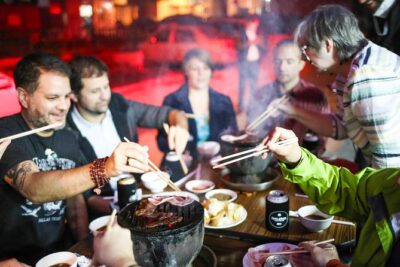
Beijing Hutong Walking Food and Beer Tour at Hidden Restaurants
Read our review →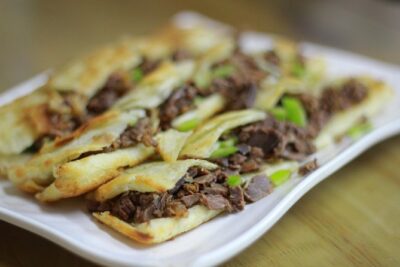
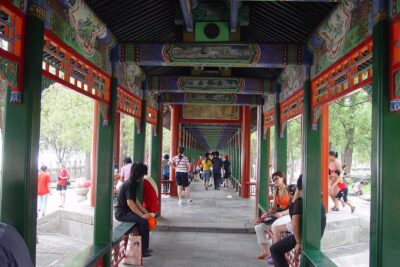
Temple of Heaven, Summer Palace, Lama Temple, Hutong Tours
Read our review →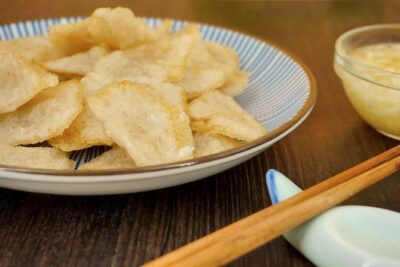
Beijing City Walk: Explore Hutongs Life and Old Beijing
Read our review →Browse the lists this tour appears in