
Reviewed · BEIJING HUTONG TOURS
Hutong Walking Tour: Discover Real Beijing without Crowds
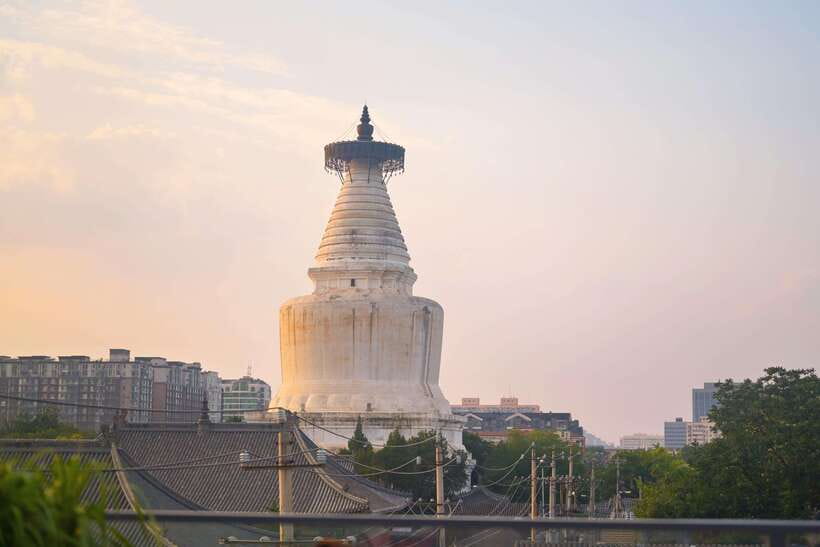
Beijing’s old neighborhoods make the city feel human-sized. On this 2.5-hour walk from Xisi Station, you pass through narrow lanes, courtyard homes, temples, a cathedral, and quiet corners where daily life carries on beyond the big tourist sights. The contrast with modern Beijing is the point.
I like the small group of up to eight, which gives you room to ask questions and adjust the pace. I also like the unusual mix of places: Buddhist and Christian sites, old architecture, a traditional medicine center, and a local drink served near the end. Guides Dee and Tracy are especially good at explaining how buildings, customs, and city life fit together.
The main consideration is simple: this is not a hutong-only walk. About half the tour is spent in hutongs, while the rest covers nearby attractions and distinctive buildings. You will walk around 3 kilometers, with little help for anyone using a wheelchair or dealing with serious mobility limits.
Key points to know before booking
- A 3-kilometer walk through old Beijing: Start at Xisi Subway Station and finish on Funei Street, with several historic stops along the way.
- More than narrow lanes: Expect hutongs, courtyard architecture, temples, a church, a former imperial site, and a local café.
- Guides who add context: Dee, Tracy, Heidi, Eva, and other guides have been praised for clear English, patient answers, and useful city advice.
- A traditional drink is included: The final refreshment may be a Beijing-style tea, sour plum drink, herbal drink, or another local option.
- A smart first-day activity: The tour helps you understand Chinese architecture and symbols before visiting larger sights such as the Forbidden City.
- Best for walkers: Comfortable shoes, water, sunscreen, and a hat matter, especially in warm or sunny weather.
What this Beijing walk is really about
This experience is less about checking off famous sights and more about learning how old Beijing works. You see where people pray, live, shop, rest, and move through their neighborhood. The guide explains the city’s changing design, including the contrast between low courtyard homes and the modern financial center beyond them.
The tone is personal rather than formal. Dee, Tracy, Heidi, and the other guides are described as warm, patient, and eager to answer questions. That matters in Beijing, where architecture can carry layers of meaning that are easy to miss if you only take photographs.
You may learn why a courtyard is arranged in a certain way, how traditional Chinese buildings use symmetry, and how religious spaces from different traditions sit within the same urban district. The walk also gives you room to ask about food, shopping, public transport, and other parts of your trip.
I would place this tour early in a Beijing visit. One visitor specifically found it useful before the Forbidden City, since the guide’s explanations about design and symbolism made later imperial buildings easier to understand.
More hutong tours in Beijing:
- Beijing Hutong Walking Food and Beer Tour at Hidden Restaurants
★ 5.0 · 1,132 reviews - Old Beijing Dinner Tour
★ 5.0 · 348 reviews - Temple Heaven, Summer Palace, Lama Temple, Hutong Bus Tour
★ 4.7 · 319 reviews
Starting at Xisi Station and entering old Beijing
The meeting point is Xisi Subway Station, Metro Line 4, Exit D. The precise meeting point is listed as the southwest side of Exit D, so check the details before you leave your hotel and allow time to find the correct street-level exit.
Starting at a subway station is practical. You do not have to arrange a taxi to a distant meeting point, and the tour begins in a part of the city where old streets and major roads meet. From here, you quickly get a sense of Beijing’s layered growth.
The guide introduces the neighborhood and explains how the hutongs fit into the wider city. You will not spend the entire morning in silent lanes. Instead, the route uses several nearby sites to show how Beijing’s religious, imperial, commercial, and residential worlds overlap.
That wider approach is useful, but it is worth repeating: if your only goal is to spend two and a half hours wandering hutongs, this may not be the right choice. If you want the hutongs placed in a wider cultural setting, the mix works well.
Guangji Temple and the meaning of a living religious site
Guangji Temple is one of the early stops. Here, the guide provides a tour rather than simply pointing out the entrance and moving on.
A temple visit gives you a chance to discuss Buddhist practice, Chinese religious customs, and the way people use these places today. The value is in the explanation. Without context, a temple can look like a series of gates, halls, roofs, and statues. With a guide, those details become easier to read.
The pace also matters. You are not being rushed through a major attraction with a large crowd. The small group allows time for questions, and several guides have been praised for patiently explaining Chinese culture and architecture.
Respect is important here. Dress and behavior should be considerate, and you should avoid treating worshippers as part of the scenery. The tour specifically asks you to respect local customs and residents’ privacy in the hutongs.
The Church of the Saviour, Beijing
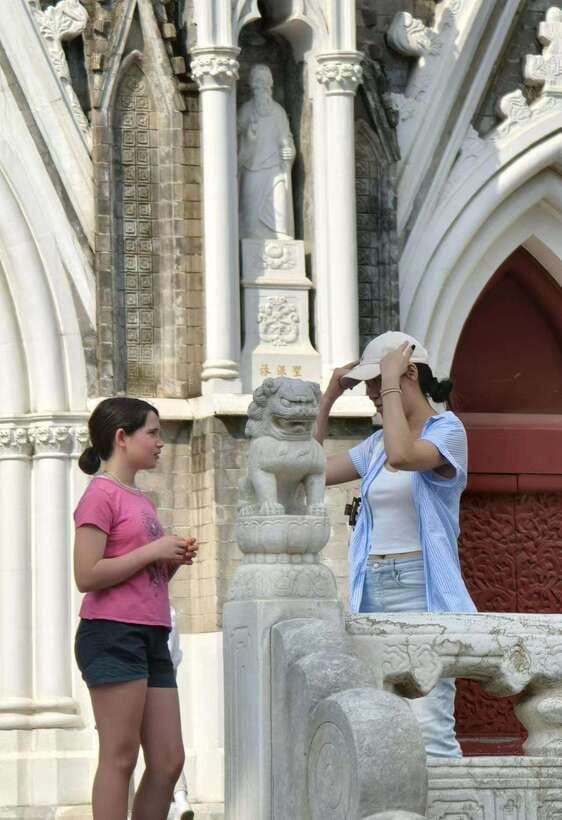
The Church of the Saviour adds a different note to the route. After the Buddhist temple, you see a Christian site, which helps show that Beijing’s religious story is not limited to one tradition.
The stop is especially useful for people interested in architecture. The guide can compare the church with Chinese temple forms and traditional courtyards, helping you notice how different design traditions occupy the same historic city.
This stop also keeps the tour from becoming a narrow presentation of old Beijing as only imperial or Buddhist. The city has been shaped by many communities and influences. Seeing a cathedral alongside hutongs and temples gives you a broader picture without requiring a separate museum visit.
The church is a visit and guided stop, but the exact amount of time spent inside may vary. Treat it as one part of a moving walking route, not as a full church tour.
More walking tours in Beijing:
- Private Beijing Walking Tour of the Forbidden City with 7 Options
★ 5.0 · 675 reviews - Forbidden City Private Walking Tour with Optional Sights
★ 5.0 · 400 reviews - Beijing Private Hutong Food Walking Tour
★ 5.0 · 299 reviews - Beijing: Hutong Culinary Walking Tour with 15+ Tastings
★ 5.0 · 162 reviews
Zhengyang Bookstore and everyday cultural life
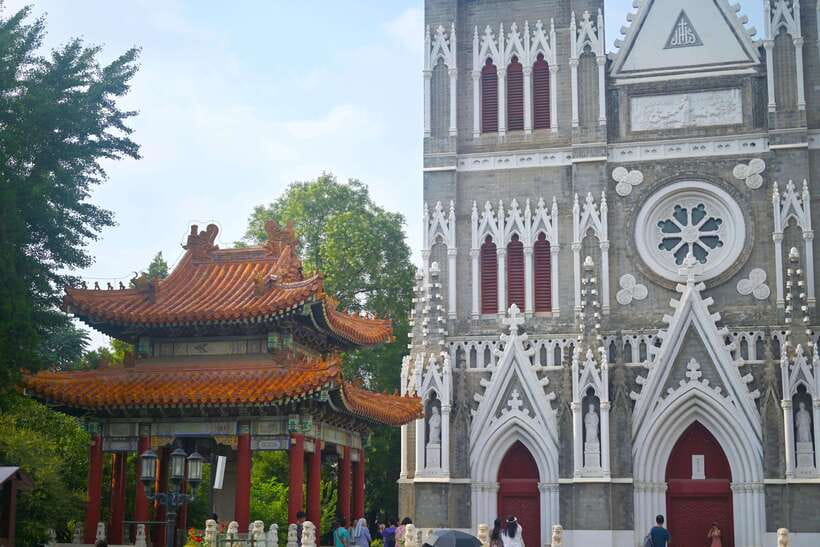
The route then reaches Zhengyang Bookstore, written in the itinerary as 正阳书局. This is a shopping and guided stop, and it gives the walk a more ordinary, local feel.
A bookstore is a useful counterpoint to temples and old imperial sites. It connects the neighborhood’s past with the way Beijing’s culture is discussed and shared today. You may find this stop more interesting if you enjoy books, local history, or small cultural shops.
Do not expect a long shopping session. The tour has several stops to cover in 2.5 hours, and this is one piece of the route. Still, it can be a good place to notice how historic districts are being used and preserved rather than simply displayed.
Zhuanta Hutong and the texture of old neighborhoods
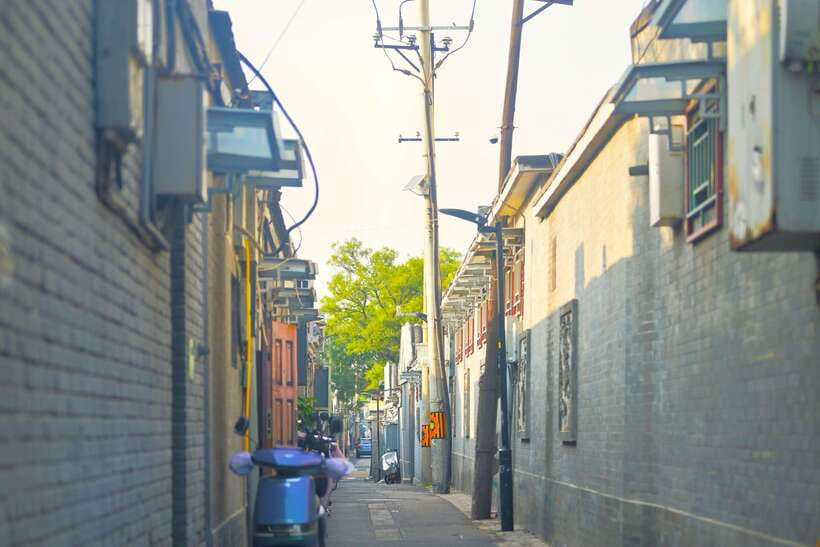
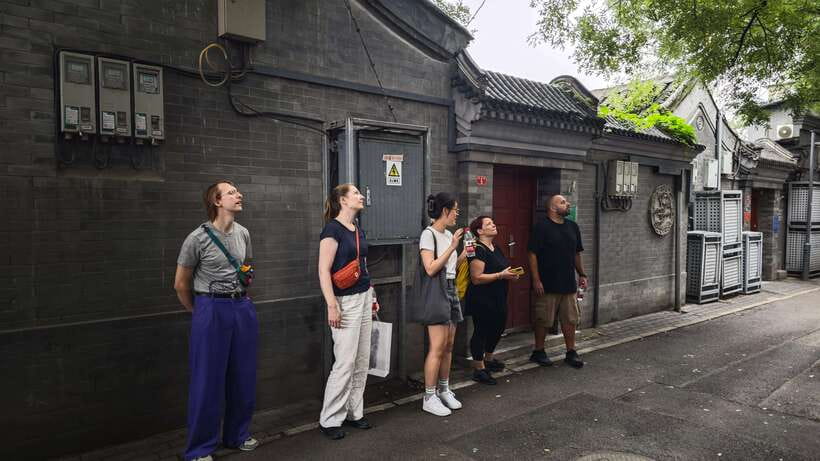
Zhuanta Hutong is where the route most clearly delivers on its central promise. You walk through one of Beijing’s older hutongs and get a closer look at the city’s traditional residential pattern.
The appeal is not one grand monument. It is the combination of narrow lanes, walls, entrances, courtyards, and signs of daily life. The guide explains how the hutongs developed and how urban design has changed over time.
You should keep your camera ready, but also keep it low at times. People live here. The best experience comes from observing quietly rather than treating private doorways and residents as a photo set.
The walk can feel quite different from Beijing’s major squares and palace compounds. Instead of a monumental view, you get small details and a sense of scale. A guide is valuable because the physical setting alone does not explain how courtyard homes functioned, who lived in them, or why the lanes were arranged as they were.
The Emperors’ Temple of Past Dynasties
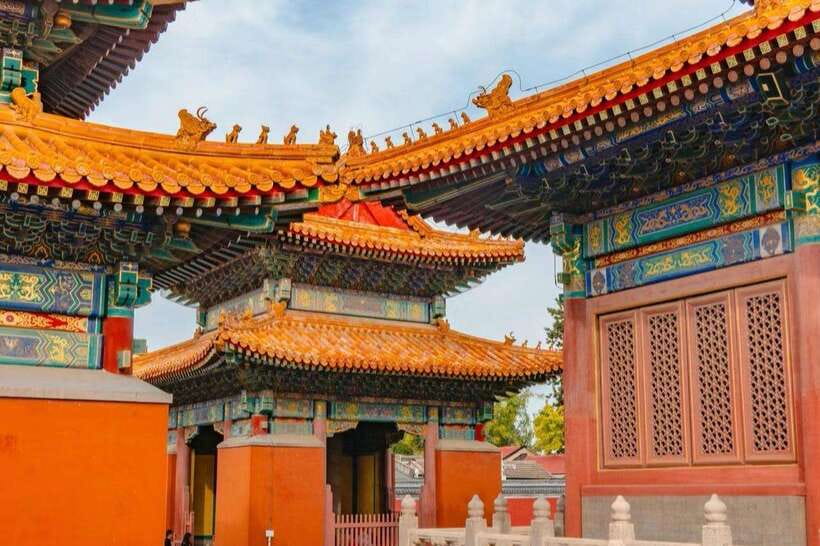
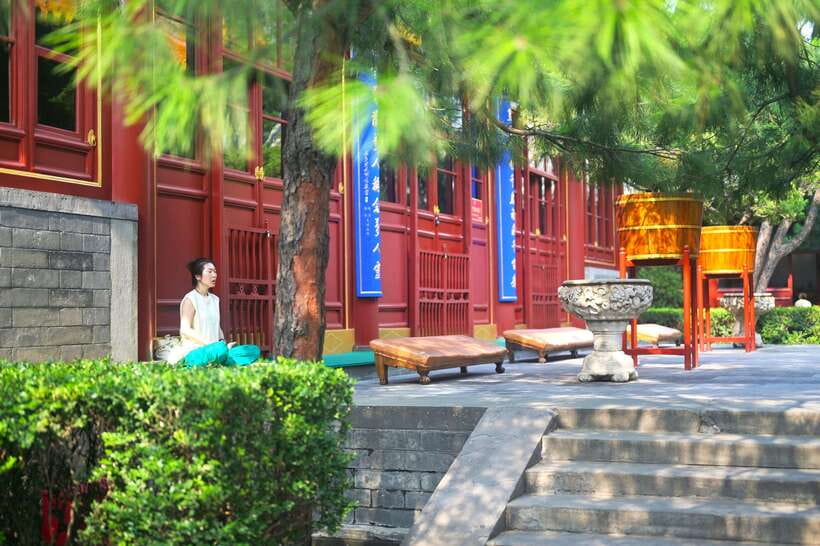
The Emperors’ Temple of Past Dynasties, also called the Palace of Ancient Monarchs, brings the imperial side of the city into the walk. The tour includes the entrance fee, except that the site is closed on Mondays.
This stop is one of the strongest reasons to book the tour rather than simply wander the hutongs alone. The guide links architecture and ritual to Chinese history, explaining why the site mattered and how its design reflected imperial values.
The stop is listed as both a photo opportunity and a guided visit. You can expect time to look around, take pictures, and ask questions, but it is still part of a compact route. If you are especially interested in imperial history, you may want to visit larger palace sites separately.
The Monday closure deserves attention. If your tour falls on a Monday, confirm how the route handles the closure and do not assume this entrance will be available. The supplied details say the entrance fee is included, but they do not promise a replacement site.
The café break and a taste of Beijing
Near the end, the group stops at a local café. The included traditional Beijing drink is one of the tour’s most appealing small touches.
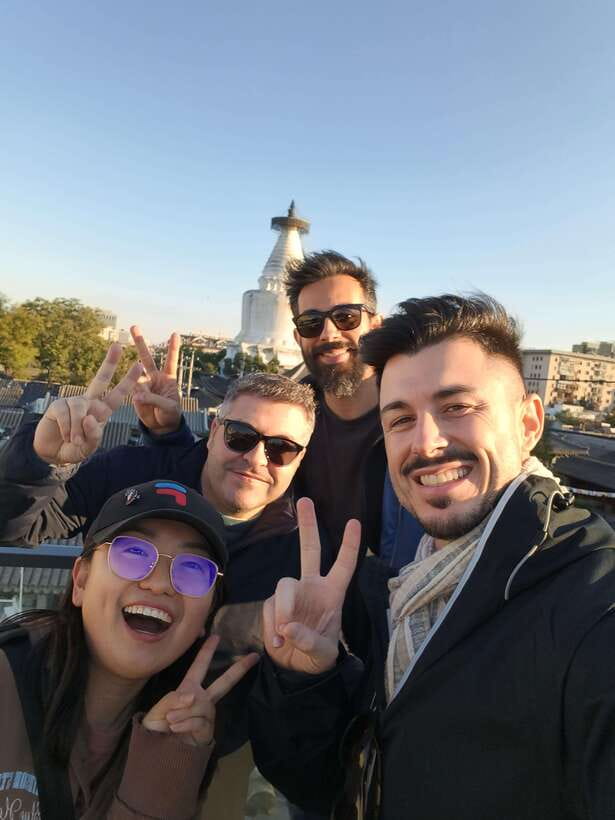
The drink has varied in the experiences described. It may be iced tea, sour plum juice, a herbal drink, or another local specialty. One stop took place on a rooftop, where the drink came with views over old Beijing. Another account describes a plum drink with Chinese herbs at a traditional medicine center.
That uncertainty is not a problem, but you should not book expecting one exact beverage or a full meal. Food and other personal expenses are not included. Think of the drink as a cultural sample and a pleasant pause after the walking, not lunch.
The café break also gives you time to ask the guide for recommendations. Dee has offered suggestions for restaurants, shopping, and getting around the city. This can be more useful than a generic list because you can explain what you enjoy and where you are going next.
Miaoying Temple and the final stretch
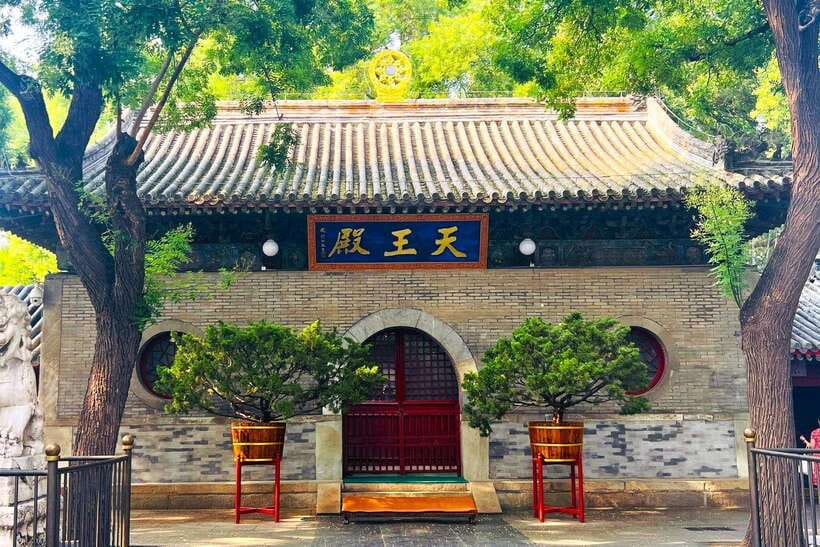
Miaoying Temple is another major stop, listed as a photo stop and guided visit. It gives the group one more chance to look closely at a historic religious site before the walk ends.
The route’s variety is clear by this point. In a single morning, you may have seen a Buddhist temple, a Christian church, an old bookstore, a hutong, an imperial temple, and another important temple. That is a lot of ground in a short time, but the sequence helps you compare different building types and uses.
You finish at 410 Funei Street, not back at Xisi Station. Plan your next move before the tour ends. The tour does not include transportation, and the finish point is different from the starting point.
How much walking and what to bring
The route covers about 3 kilometers. That is manageable for most regular walkers, but the surface, pace, weather, and number of stops can affect how it feels.
Wear comfortable shoes rather than fashionable but stiff footwear. Bring water, sunscreen, and a hat in sunny weather. You should also be prepared for changing conditions, since much of the experience takes place outdoors.
The tour is not suitable for wheelchair users or people with mobility impairments. The information does not describe step-free access at every stop, so anyone who needs a fully accessible route should choose a different activity.
Smoking is not allowed. You should also be careful with photography in residential lanes. The guide can explain where photos are appropriate, but common courtesy remains your responsibility.
Guide quality and group size
The tour is limited to eight people and offered in English or Chinese. That is a strong format for this kind of walk. A large group would make narrow lanes awkward and make it harder to hear explanations.
The guides receive particularly strong praise for their personal approach. Dee is described as friendly, patient, and excellent at sharing practical advice. Tracy is praised for explaining Chinese architecture, history, and daily life in clear English. Heidi has also been described as attentive, including with children.
There have been occasions when a tour became private because other people canceled. That is not something you should count on, but it shows that the experience may still go ahead with a very small group. The standard promise is a small group of up to eight, not a private tour.
The guide is the main value of the activity. If you prefer to walk silently and set your own route, you can explore hutongs independently. If you want explanations that connect architecture, religion, urban design, and daily life, the guide makes the difference.
Is $49 a fair price?
At $49 per person, the price is reasonable if you use the tour as a cultural introduction rather than simply paying for a walk. The fee includes 2.5 hours with a local guide, the entrance fee for the Palace of Ancient Monarchs, and a traditional drink.
You are also paying for route planning and interpretation. Several of the stops are easy to miss or difficult to understand without local context. The practical advice about restaurants, shopping, and getting around adds value, especially if you take the tour near the start of your stay.
The price does not include meals, transportation, or personal purchases. You should budget for your own food afterward and for getting away from the final stop.
For a large sightseeing tour, $49 might feel high. For a small group capped at eight, with several admissions and a guide who can tailor answers to your questions, I think the cost is fair.
Who should book this walk?
I would recommend it to first-time visitors who want to understand Beijing before tackling the Forbidden City, the Temple of Heaven, or other major sights. It is also a good match for people who prefer local neighborhoods to heavily visited monuments.
You will get the most from it if you enjoy architecture, religion, urban history, and conversations about daily life. Families can book it, and one guide has been especially attentive with children, but the 3-kilometer walk still requires reasonable stamina.
You may want a different activity if you need wheelchair access, dislike walking, want a food-focused experience, or expect the entire route to stay inside hutongs. The tour is broad by design.
Cancellation is free up to 24 hours before the start, and you can reserve now and pay later. That flexibility helps if your Beijing schedule is still changing, but check the available start time and Monday closure before booking.
Should you book the Hutong Walking Tour?
Book it if you want a guided introduction to Beijing’s old neighborhoods with more variety than a simple alley walk. The temples, church, bookstore, imperial site, and traditional drink give you several ways to understand the city, while the small group keeps the experience personal.
I would book it early in your visit, ideally before major palace sights. Choose comfortable shoes, arrive at Xisi Station’s Exit D with time to spare, and expect about half hutongs and half other historic places.
Skip it if you want a long, slow exploration of hutongs alone or if mobility is a concern. For most curious walkers, though, the mix of local life, architecture, and practical advice makes this a useful and fairly priced way to meet Beijing.
FAQ
Where does the Hutong Walking Tour start?
The tour starts at Xisi Subway Station on Metro Line 4, Exit D, on the southwest side of the exit.
Where does the tour finish?
The tour finishes at 410 Funei Street. Transportation is not included, so plan how you will continue from there.
How long is the tour?
The walking tour lasts 2.5 hours and covers around 3 kilometers.
Is the tour entirely inside the hutongs?
No. About half of the experience takes place in hutongs. The rest includes local attractions and distinctive historic buildings.
What languages are available?
The tour is offered in English and Chinese.
Is the traditional Beijing drink included?
Yes. A traditional Beijing drink is included. The exact drink may vary and can include options such as iced tea, sour plum juice, or a herbal drink.
Is the tour suitable for wheelchair users?
No. The activity is not suitable for wheelchair users or people with mobility impairments.
Just added around Beijing
- Xian: Must see Eternal Love or Camel Bell Legend show Ticket★ 5.0 · 3 reviews
- 2-Day Beijing Must-See Tour:4 UNESCO Sites+Tian’anmen&Hutong★ 5.0 · 4 reviews
- Beijing: 2-Day private Tour with Great wall& Forbidden city★ 5.0 · 5 reviews
- Xian: Bus Tour of Terracotta Warriors With Guide & Lunch★ 4.2 · 5 reviews
- Private Transfer to Mutianyu Great Wall with professional driver★ 5.0 · 19 reviews
- Twilight Glow at Badaling Great Wall Evening Bus Tour+Ticket★ 4.9 · 11 reviews
- Yuxiandu Chinese Royal Cuisine Museum with Show and Royal Banquet★ 5.0 · 4 reviews
- ZANBUS: Trip to the Jinshanling Great Wall Departing at 7:30 AM★ 5.0 · 5 reviews
Beijing Hutong Tours, compared.
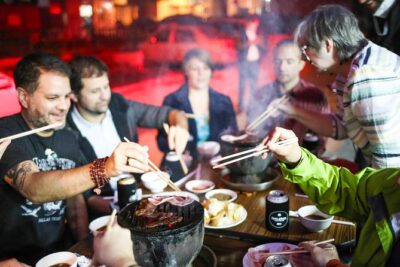
Beijing Hutong Walking Food and Beer Tour at Hidden Restaurants
Read our review →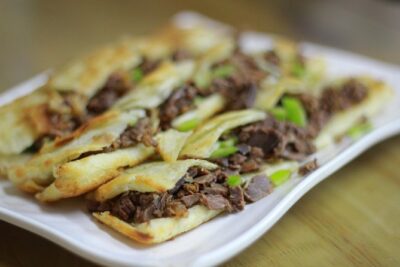
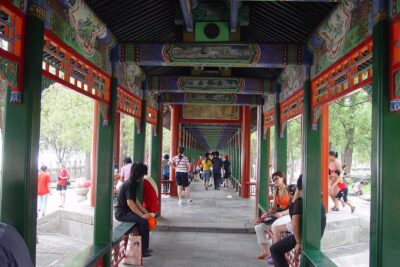
Temple of Heaven, Summer Palace, Lama Temple, Hutong Tours
Read our review →

Beijing City Walk: Explore Hutongs Life and Old Beijing
Read our review →Browse the lists this tour appears in