
Reviewed · LAMA TEMPLE AND CONFUCIUS TEMPLE TOURS
Beijing: Confucius Temple and the Impercial College E-ticket
Beijing’s Confucius Temple and Imperial College offer a quiet look at how China honored learning, trained officials, and selected its civil servants. The most striking sight is the collection of 198 stone tablets, carved with the names, birthplaces, and ranks of 51,624 successful imperial examination candidates.
I like the easy QR-code entry, which avoids a ticket-line fuss, and the chance to see two connected sites under one ticket. I also like the contrast between the solemn temple courtyards and the school buildings next door, where education was treated as a matter of state.
The main limitation is that this is an admission ticket, not a guided tour. You receive no listed guide or organized explanation, so visitors who want detailed historical commentary should consider the possible audio guide at the entrance or prepare a little background first.
Key points to know before you go
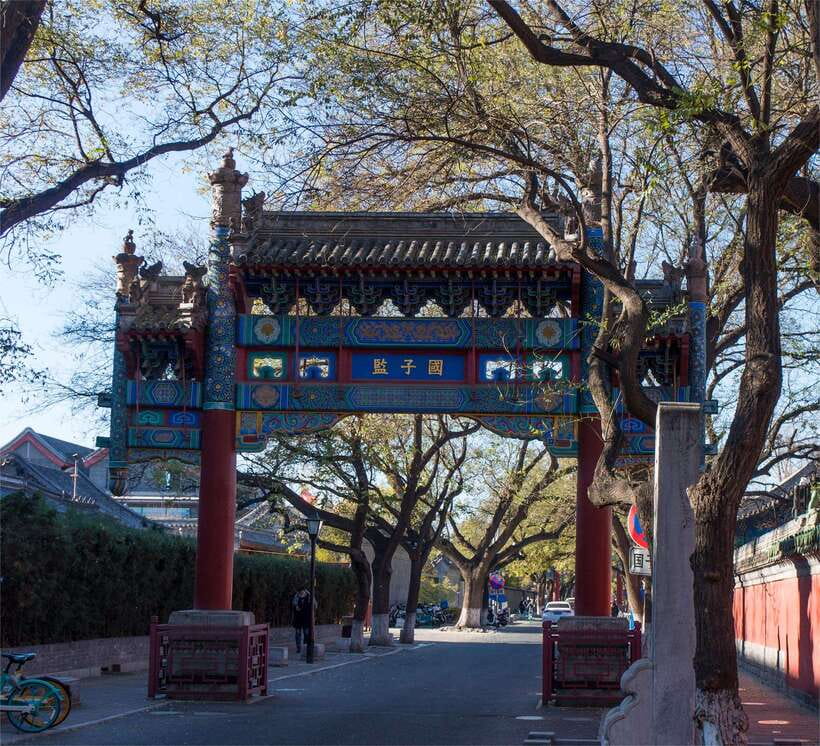
- Two historic institutions share one visit: Confucius Temple lies on the left, while the former Imperial College lies on the right.
- The stone tablets are the star attraction: 198 tablets record 51,624 Jinshi degree holders from China’s imperial examination system.
- The buildings date to the Yuan Dynasty: Confucius Temple was built in 1306, and the Imperial College followed in 1308.
- Your passport matters: Bring your original passport and show it with the electronic ticket and QR code.
- The price is modest: At $7 per person, the ticket offers a substantial visit for anyone interested in Chinese education, government, architecture, or history.
- An audio guide may be available: You can ask at the temple entrance if you want help making sense of the displays.
Why these two Beijing sites belong together
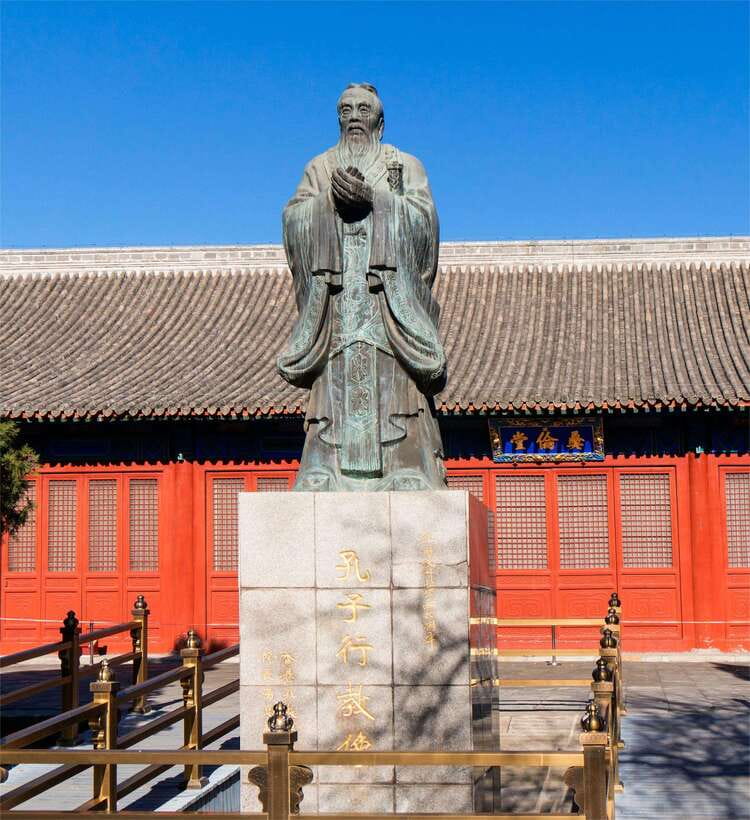
The appeal of this visit comes from the connection between the two institutions. Confucius Temple honored the philosopher whose ideas shaped Chinese education and government for centuries. The Imperial College trained students and served as the state’s highest educational institution during the Yuan, Ming, and Qing periods.
The layout makes the connection clear. The traditional arrangement places the temple on the left and the college on the right. Instead of visiting two unrelated monuments, you see the ideal behind the imperial education system: respect for Confucius, followed by study, examination, and public service.
You can use the ticket for a one-day visit. The experience is self-guided, so you set your own pace. That works well if you want to stop for photographs, study inscriptions, or take your time in the exhibition rooms without keeping up with a group.
At $7 per person, the value is strong. You are paying for access to two historic compounds, several exhibitions, and an important collection of examination records. The ticket does not include a listed guide, transport, or a meal, but the low price leaves room in your budget for an audio guide or another nearby activity.
More Lama Temple and Confucius Temple visits in Beijing:
- Temple Heaven, Lama Temple, Summer Palace & Peking Duck Bus Tour
★ 5.0 · 377 reviews - Temple Heaven, Summer Palace, Lama Temple, Hutong Bus Tour
★ 4.7 · 319 reviews - Temple of Heaven, Summer Palace, Lama Temple, Hutong Tours
★ 5.0 · 311 reviews
Entering with your QR code and passport
The entry process is designed to be simple. Bring your original passport, not just a photograph or copy, along with the electronic ticket. You use the QR code for admission and present the passport for identification.
The ticket information says you can skip the ticket line. That is useful in Beijing, where even a short visit can lose time if you must exchange a booking confirmation for a paper ticket. Still, you should have the QR code ready on your phone and keep your passport easy to reach.
No specific starting time is provided. The ticket is valid for one day, with availability shown when you select your visit. Since the attraction is not described as a timed guided tour, you have more freedom than you would with a fixed group departure.
The experience is listed as wheelchair accessible. If access is important to you, it is still sensible to confirm the current route and conditions when booking, since historic courtyards and older buildings can have different surfaces and entrances.
The booking also allows cancellation up to 24 hours in advance for a full refund. You can reserve and pay later, which is useful if your Beijing schedule is still shifting.
Confucius Temple and its three courtyards
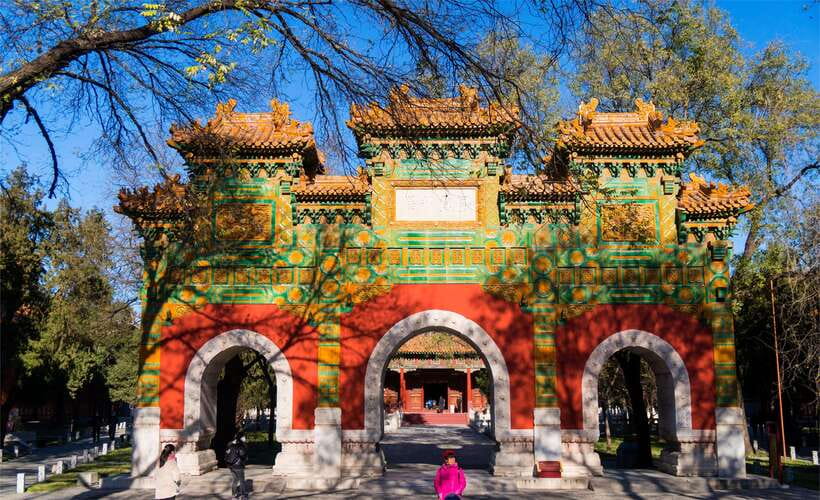
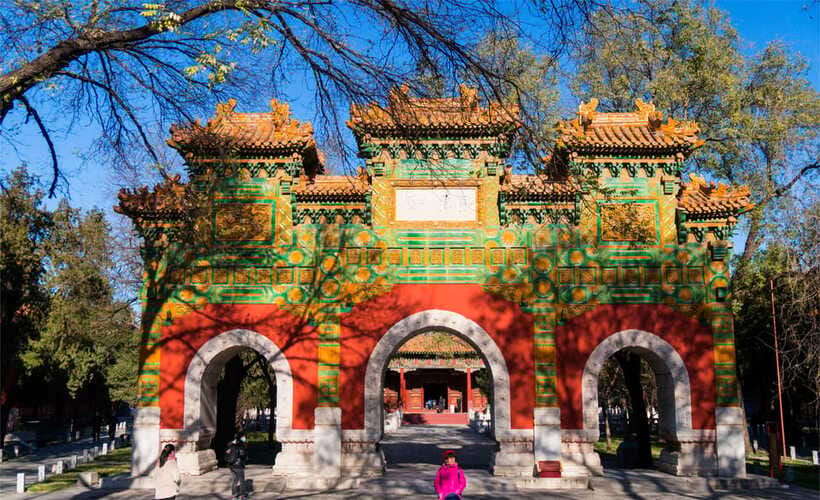
Confucius Temple covers more than 22,000 square meters, with about 7,400 square meters of building space. Its plan follows a central axis through three courtyards, leading from the Teacher Gate to Dacheng Gate, Dacheng Hall, and Chong Sheng Temple.
That progression matters. The architecture guides you inward, from the entrance toward the main ceremonial areas. You are not simply looking at a collection of old halls. The arrangement shows how formal and carefully ordered a place devoted to Confucius could be.
The temple was built in 1306, during the Yuan Dynasty, and served as a site for memorial ceremonies during the Yuan, Ming, and Qing dynasties. The buildings therefore connect several ruling periods, while the ceremonial purpose remained focused on Confucius.
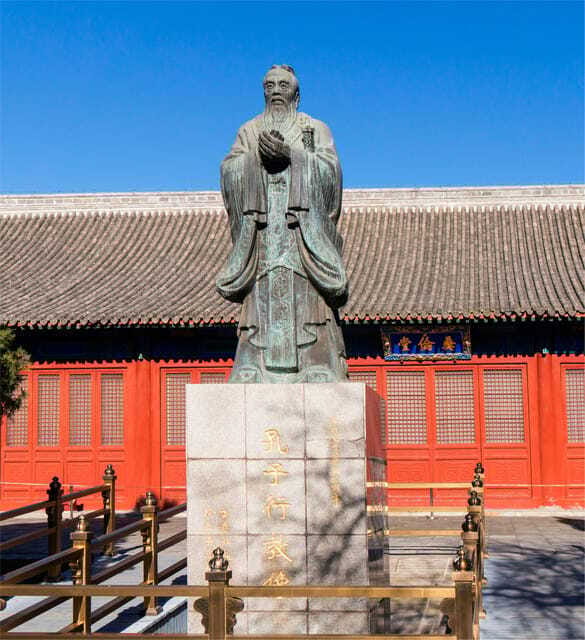
Dacheng Hall is one of the key stops. One of the temple’s exhibitions presents a restored version of the hall, giving you a chance to consider how the central building looked and functioned. Another exhibition focuses on Confucius himself, while a third covers the history of Beijing Confucius Temple.
The exhibitions help fill the gap left by the lack of a personal guide. Rather than relying only on roofs, gates, and courtyards, you can use the displays to understand the people and rituals tied to the site.
The 198 stone tablets and the imperial examination
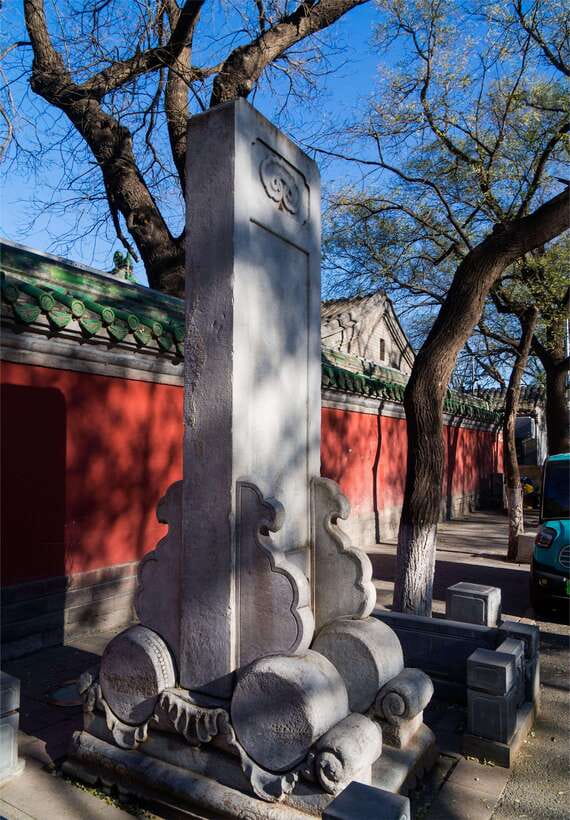
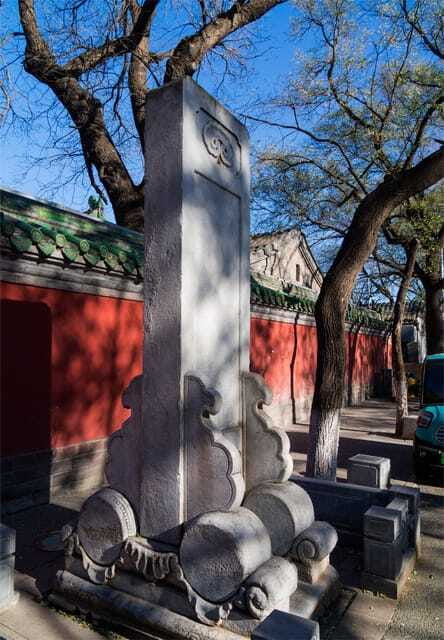
The most unusual part of the temple is the collection of stone tablets in the front courtyard. There are 198 tablets arranged in four groups on either side of the courtyard.
Together, they record 51,624 names, birthplaces, and ranks of Jinshi degree holders. These were successful candidates in the imperial examination system, which selected officials through formal academic competition.
For you, the tablets provide a direct link between education and government. A name carved in stone was not just a personal achievement. It marked success in a system that could lead to public office and recognition across the empire.
Take time to look at the scale of the collection. Even if you cannot read the inscriptions, the number of names makes the system feel large and human. Each entry represents a candidate, a birthplace, and a rank within a demanding examination tradition.
The tablets are also valuable historical records. They preserve information that can be studied to learn more about the imperial examination system and the people who passed it. You do not need to be a specialist to appreciate the basic idea: this courtyard is an official record of academic success accumulated over generations.
If you enjoy details, this is where an audio guide could help. The availability of an audio guide is noted at the temple entrance, though it is not part of the ticket. Ask before you begin if you want more explanation of the tablets, halls, and exhibitions.
More Beijing attraction tickets:
- 4-Hour Small Group Tour to Forbidden City with Entry Tickets
★ 5.0 · 1,863 reviews - Beijing: Tiananmen Square Registration Service(Ticket)
★ 4.5 · 1,704 reviews - Beijing: The Temple of Heaven or Summer Palace Entry Ticket
★ 4.6 · 1,286 reviews - Beijing Forbidden City Ticket Booking (Optional: guide service)
★ 5.0 · 1,263 reviews
The Imperial College and the state school system
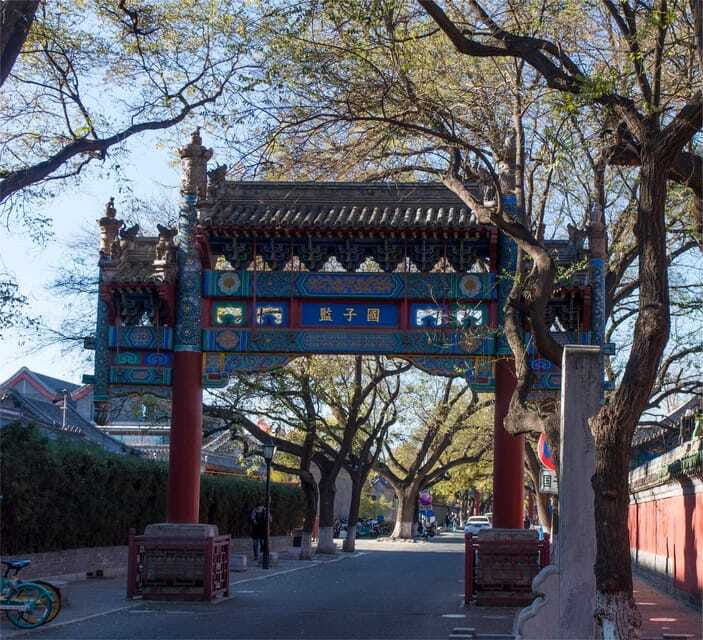
Next door, the Imperial College presents the educational side of the story. Known in Chinese as Guozijian, it was the highest educational institution and the state body responsible for administering education during the Yuan, Ming, and Qing dynasties.
The college was built in 1308, just two years after Confucius Temple. Its grounds cover about 28,000 square meters and contain three courtyards.
The main axis takes you through Jixian Gate and the Imperial College Gate toward the Glazed Memorial Arch, Biyong Hall, Yilun Hall, and Jingyi Hall. These names can blur together if you rush, so I suggest paying attention to how each gate and hall fits into the straight central route.
The Glazed Memorial Arch provides a clear visual marker within the complex. Farther along, Biyong Hall is part of the central sequence, while Yilun Hall and Jingyi Hall continue the educational theme. The architecture is arranged with order and symmetry, matching the college’s role as a formal state institution.
Two halls and six main rooms are positioned beside the central axis, along with an Imperial Tablet Pavilion and separate Bell and Drum Pavilions. Their traditional, balanced arrangement gives the college a measured appearance.
The college is less about one dramatic object than about the complete plan of the grounds. You see how education was organized in physical form, with buildings, gates, tablets, and ceremonial features placed according to a clear system.
How to plan your visit inside the compounds
Because the ticket is valid for one day, you can give yourself enough time to see both places without treating the visit like a race. Start with the Confucius Temple if the examination tablets and exhibitions are your priority. The temple offers the clearest introduction to Confucian learning and the people who passed the imperial examinations.
Then continue to the Imperial College, where the focus shifts from honoring Confucius to managing education and training scholars. This order follows the larger idea behind the two sites, though you can reverse it if the entrance arrangement makes that easier.
Look first at the overall layout of each compound. The central axes, courtyards, and side pavilions make more sense when you see the whole plan before focusing on individual decorations.
After that, slow down at the details:
- The temple’s stone tablets
- The restored Dacheng Hall exhibition
- The displays about Confucius
- The history exhibition for Beijing Confucius Temple
- The Glazed Memorial Arch
- Biyong Hall and the other main college halls
- The symmetrical Bell and Drum Pavilions
The ticket does not specify a fixed visit length beyond one-day validity. Your time will depend on how closely you read the exhibitions and inscriptions. Someone making a quick architectural visit will need less time than someone studying the examination records.
What the $7 ticket is really worth
The low price is the strongest practical reason to consider this activity. For $7, you get access to both historic compounds, not only a single hall or a small display.
The value is especially good if you already plan to spend time in Beijing’s historic center and want an attraction with a clear theme. The sites are not simply pretty old buildings. Together, they explain how Confucian ideals, formal schooling, and government examinations worked as parts of one system.
The ticket is less valuable for you if you want entertainment, frequent demonstrations, or a guide who keeps the visit moving. The supplied information describes admission only, and no guide is named. You will need to read, observe, and ask about the audio guide yourself.
At the time of booking, the activity has a 4.4 rating based on 92 reviews. The comments available for the experience point to two practical strengths: the visit is described as excellent by one recent booker, and another specifically notes the option of buying an audio guide at the temple entrance.
I would treat those points as useful clues rather than guarantees. The easy admission is a real benefit, while the audio guide can make the difference between a pleasant walk through old buildings and a visit with a clearer sense of purpose.
Who will enjoy this visit most
I would choose this ticket if you like history, traditional architecture, Chinese philosophy, or the story of how governments selected officials. It also suits you if you prefer exploring at your own pace instead of joining a guided group.
Students and lifelong learners may find the examination tablets especially worthwhile. The collection turns an abstract subject into a physical record of tens of thousands of successful candidates.
The visit also works for architecture fans. The Yuan Dynasty foundations, three-courtyard plans, central axes, glazed arch, halls, pavilions, and symmetrical side buildings give you plenty to examine.
Families can use the two compounds to explain a simple idea: one place honored the teacher, and the other trained the students. Younger children may not care about every inscription, but the gates, courtyards, and large number of stone tablets provide visible points of interest.
I would be more cautious if you need a fully narrated experience. There is no named guide or included commentary in the ticket information. You can ask about the audio guide, but its availability and cost are not specified.
Final decision: should you book it?
Book this experience if you want an affordable, self-guided look at Beijing’s education and government traditions. The combination of Confucius Temple and Imperial College is more useful than visiting either site alone, and the examination tablets give the visit a memorable focus.
The QR-code entry and original passport requirement are simple enough, provided you prepare before arriving. Bring your passport, keep the electronic ticket open, and ask about the audio guide at the temple if the background is important to you.
Skip it if your Beijing schedule is packed with attractions that offer stronger live interpretation or a more active format. But at $7, this is an easy addition for anyone curious about Chinese history, architecture, and the long connection between learning and public office.
FAQ
How much does the ticket cost?
The ticket costs $7 per person.
How long is the ticket valid?
The ticket is valid for one day. You should check availability for the available starting times when booking.
What attractions does the ticket include?
It includes admission to Beijing Confucius Temple and the Imperial College, also called Guozijian.
How do I enter the attractions?
Use the electronic ticket QR code and bring your original passport or ID document. The instructions specifically require entry with the original passport and electronic ticket.
Can I skip the ticket line?
Yes. The activity includes skip-the-ticket-line entry.
What was Confucius Temple used for?
Confucius Temple was a place for memorial ceremonies honoring Confucius during the Yuan, Ming, and Qing dynasties.
What can I see at Confucius Temple?
You can see the three-courtyard temple layout, 198 stone tablets recording 51,624 Jinshi degree holders, and exhibitions about Dacheng Hall, Confucius, and the history of Beijing Confucius Temple.
What was the Imperial College?
The Imperial College was the highest educational institution and the state education administration body during the Yuan, Ming, and Qing dynasties.
Is the attraction wheelchair accessible?
Yes. The activity is listed as wheelchair accessible.
Can I cancel the booking?
You can cancel up to 24 hours in advance for a full refund. The activity also allows you to reserve now and pay later.
Just added around Beijing
- Xian: Must see Eternal Love or Camel Bell Legend show Ticket★ 5.0 · 3 reviews
- 2-Day Beijing Must-See Tour:4 UNESCO Sites+Tian’anmen&Hutong★ 5.0 · 4 reviews
- Beijing: 2-Day private Tour with Great wall& Forbidden city★ 5.0 · 5 reviews
- Xian: Bus Tour of Terracotta Warriors With Guide & Lunch★ 4.2 · 5 reviews
- Private Transfer to Mutianyu Great Wall with professional driver★ 5.0 · 19 reviews
- Twilight Glow at Badaling Great Wall Evening Bus Tour+Ticket★ 4.9 · 11 reviews
- Yuxiandu Chinese Royal Cuisine Museum with Show and Royal Banquet★ 5.0 · 4 reviews
- ZANBUS: Trip to the Jinshanling Great Wall Departing at 7:30 AM★ 5.0 · 5 reviews
Lama Temple and Confucius Temple Tours, compared.
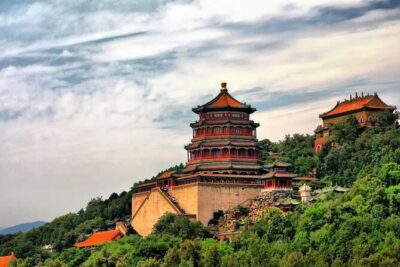
Temple Heaven, Lama Temple, Summer Palace & Peking Duck Bus Tour
Read our review →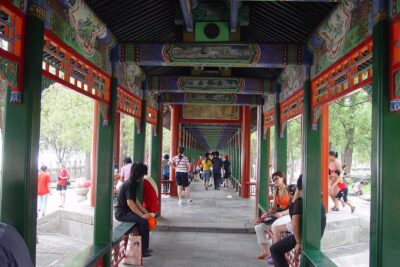
Temple of Heaven, Summer Palace, Lama Temple, Hutong Tours
Read our review →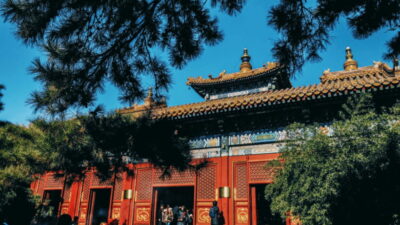
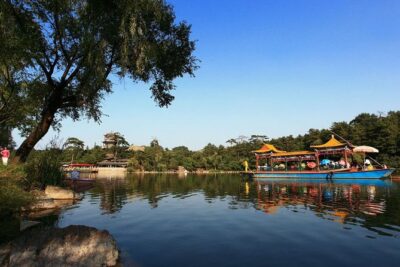
Beijing Historical Tour II including Summer Palace, Lama Temple & Panda Garden
Read our review →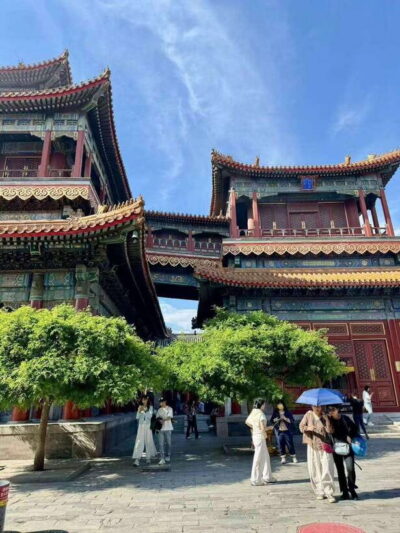
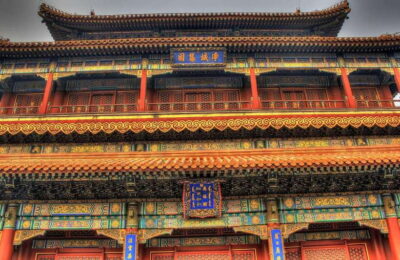
Beijing Lama temple ticket; #1 efficacious; limited Discount
Read our review →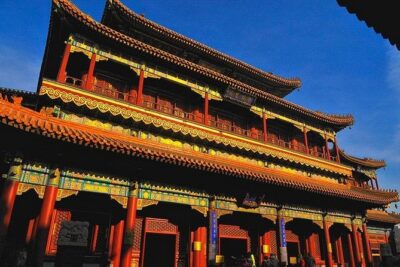
Panda House, Temple of Heaven, Lama Temple, Summer Palace & Lunch
Read our review →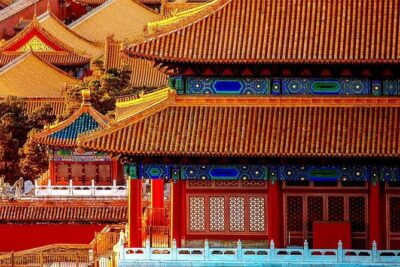
Private Day Tour Forbidden City Lama Temple and Temple of Heaven
Read our review →Browse the lists this tour appears in