
Reviewed · BEIJING ATTRACTION TICKETS
Beijing: National Art Museum of China Entry Reservation
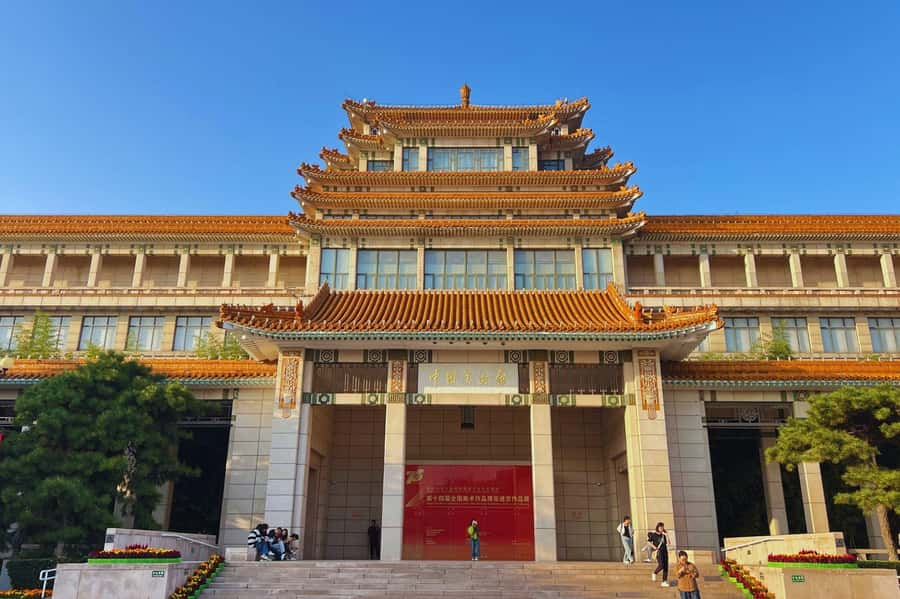
The National Art Museum of China gives you a clear look at how Chinese artists have worked with old forms and new ideas. Inside, you can move at your own pace among ink paintings, calligraphy, sculptures, and modern works, rather than follow a fixed tour group.
I like two things here: the low $6 price makes a major Beijing museum easy to add to your day, and the English textual and visual guide helps you make sense of what you are seeing. The main point to consider is that the experience lasts about two hours, so you will need to keep moving if a special exhibition catches your eye.
Key points to know before you go
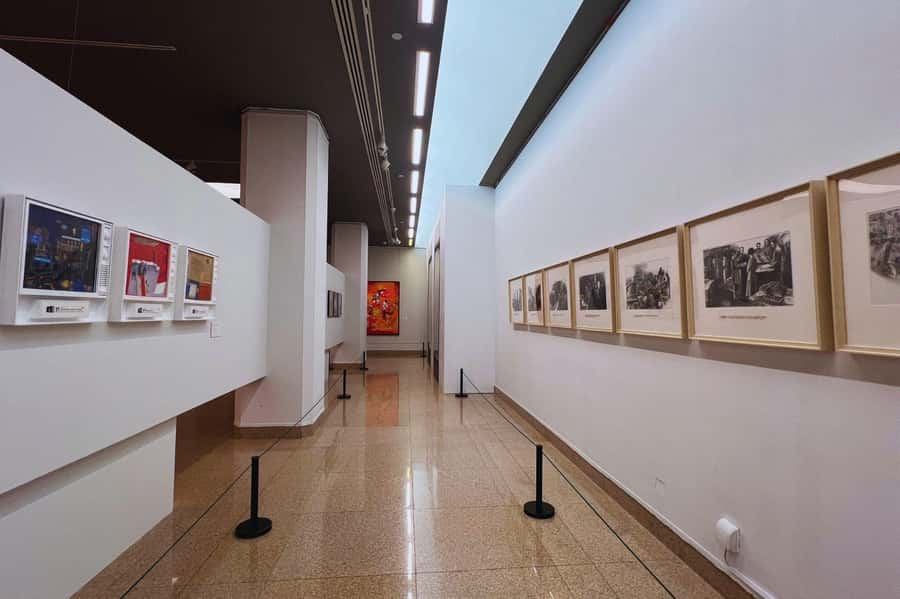
- The collection covers more than 100,000 pieces, including traditional Chinese art and modern works.
- You explore independently, with no fixed guided route or reported guide name provided.
- An English textual and visual guide is included, useful when labels or themes are unfamiliar.
- The reservation costs $6 per person, a modest fee for access to one of Beijing’s major art institutions.
- Bring your passport or ID card, since this is required for entry.
- Ticket redemption is simple, with the available instructions pointing to the ticket office, even though the reservation is intended to help you avoid the standard ticket line.
Why this Beijing museum is worth two hours
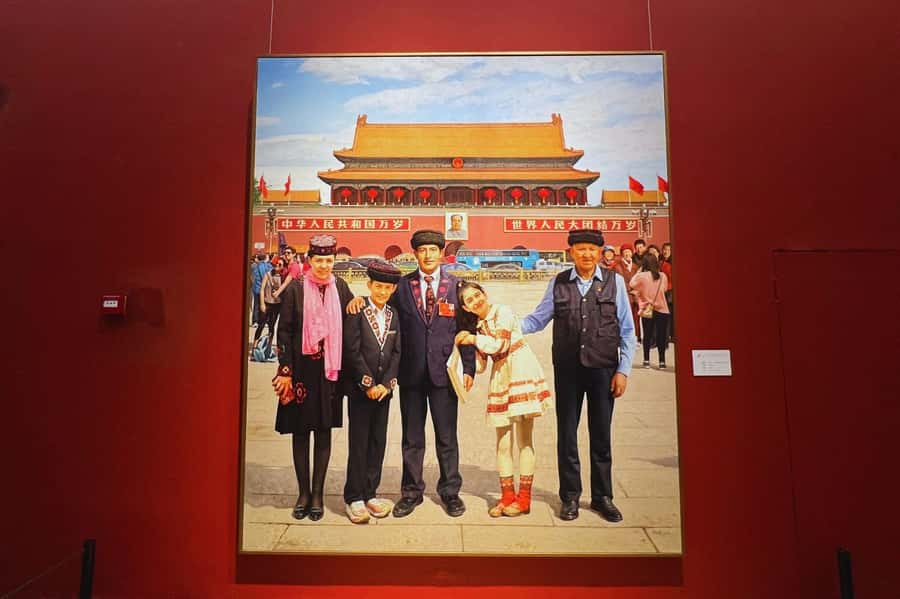
The National Art Museum of China, often shortened to NAMOC, is one of Beijing’s most important places for Chinese art. It holds more than 100,000 pieces, giving you a broad view of painting, sculpture, calligraphy, and other forms of artistic expression.
That size matters. You are not coming for one famous object or a single exhibition. You are coming to see different periods, materials, and artistic choices placed within the same institution. One room might focus on the brushwork and empty space of ink painting. Another might show sculpture or more recent work shaped by modern artistic ideas.
I find that this makes the museum useful even if you are not an art specialist. You can simply notice how artists use line, color, paper, ink, form, and written characters. The English guide gives you added help when you want more than a quick look.
The museum also connects art with China’s wider cultural heritage. Calligraphy is not simply decorative writing. Ink painting is not just a picture made in black and gray. These forms carry long traditions, and the museum lets you compare those traditions with modern and contemporary work.
More Beijing attraction tickets:
- 4-Hour Small Group Tour to Forbidden City with Entry Tickets
★ 5.0 · 1,863 reviews - Beijing: Tiananmen Square Registration Service(Ticket)
★ 4.5 · 1,704 reviews - Beijing: The Temple of Heaven or Summer Palace Entry Ticket
★ 4.6 · 1,286 reviews
Starting at the National Art Museum of China
Your visit begins with a pre-booked entry reservation. The reservation is for NAMOC in Beijing, and you should bring your passport or ID card. That requirement is easy to overlook, so keep the correct document with you rather than relying on a photograph or another form of identification.
The booking is designed to make entry more direct. The available information also says the reservation is easy to redeem at the ticket office. In practical terms, you should expect a straightforward redemption step rather than treating the reservation as permission to walk through without any check.
That detail is worth knowing because skip the ticket line can sound more effortless than it is. The reservation should reduce the need to buy a regular ticket on site, but you still need to follow the museum’s entry process and present your identification.
No named guide is provided for this activity. You are not joining a tour led by a person who explains each gallery in real time. Instead, you receive an English version of a textual and visual guide and choose your own pace.
Seeing traditional ink painting and calligraphy
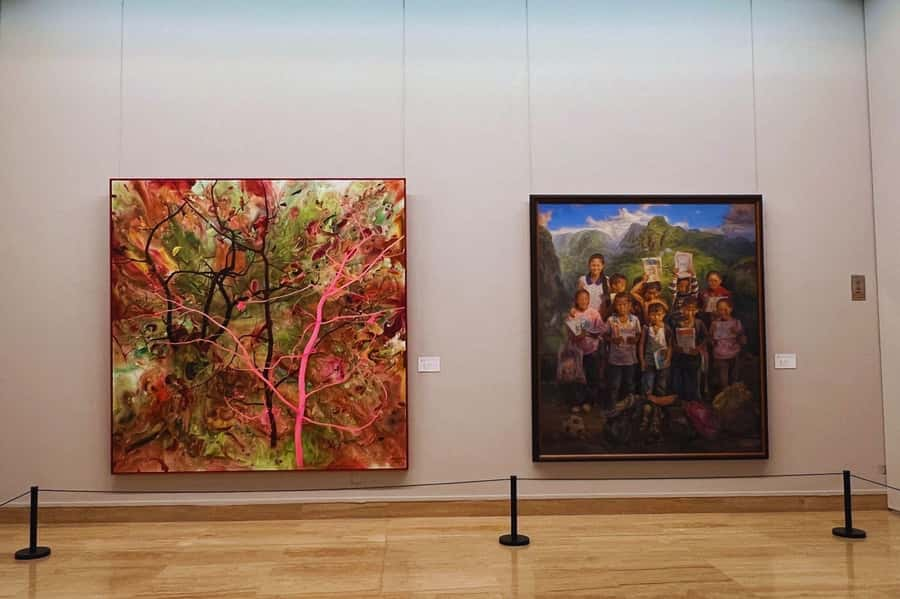
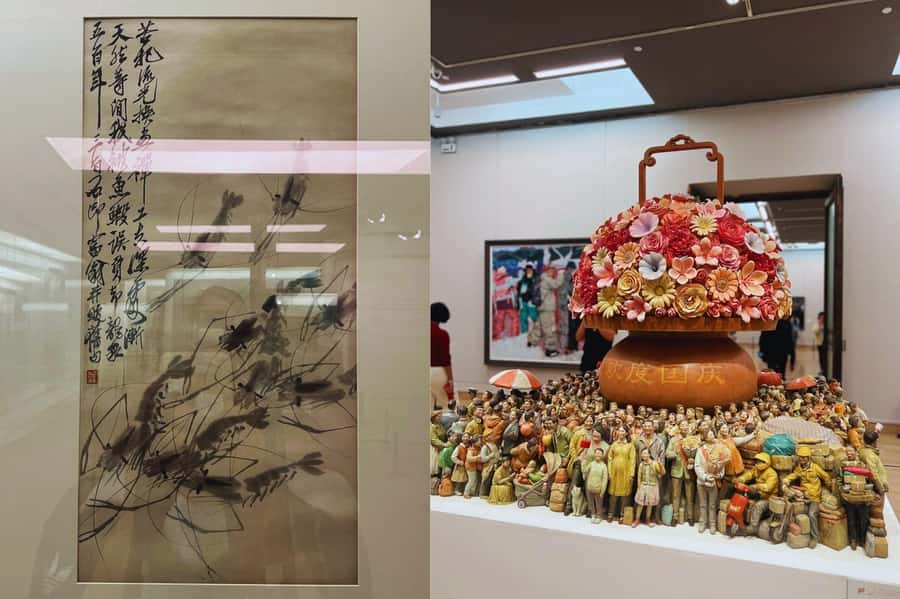
The traditional galleries are likely to be the most rewarding part of the visit if you want a direct connection with Chinese culture. The collection includes ink paintings and calligraphy, two forms that depend heavily on the quality of a line and the control of the artist’s hand.
Ink painting can look simple at first. A small number of marks may suggest mountains, plants, people, or animals. Give yourself time to notice how much is left blank. The unpainted paper can be part of the image, not merely empty space.
Calligraphy asks you to look differently. You may not be able to read every character, but you can still observe the balance, speed, pressure, and rhythm of the strokes. The English guide is especially useful here because it can give you a visual and written way into works that might otherwise feel distant.
Do not rush past these galleries because the pieces seem quiet. Traditional art often rewards a slower look. You can compare several works and ask yourself how each artist handles movement, spacing, and restraint.
At the same time, the collection is large enough that you should not feel pressure to study every object. Two hours is a reasonable visit for a focused look, but not enough time for a detailed examination of all 100,000-plus pieces.
Finding modern and contemporary Chinese art
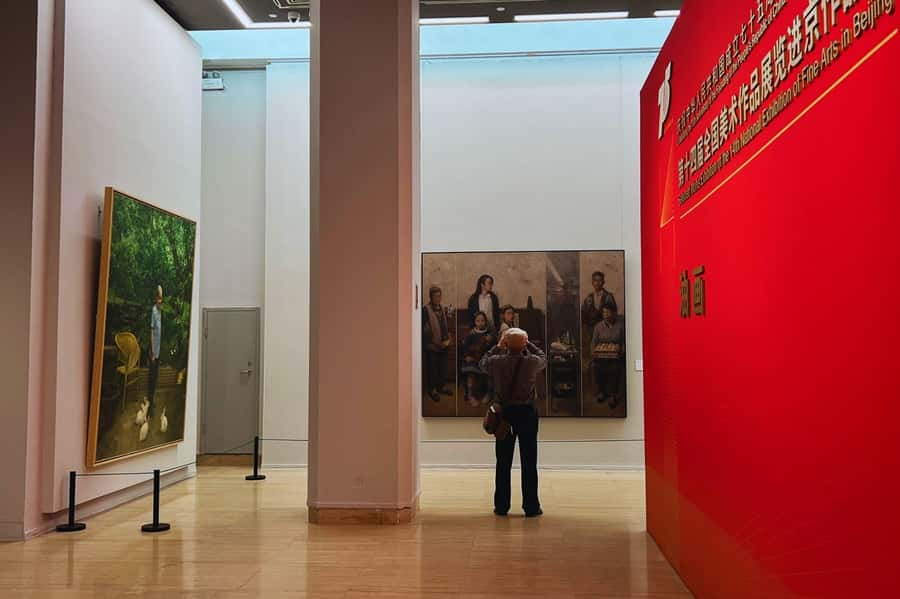
NAMOC also presents modern and contemporary Chinese art, giving you a chance to see how artists respond to changing ideas and forms. The exact displays can change because the museum regularly hosts special exhibitions and events, so your visit may not look identical to another person’s visit.
This is one reason I prefer the museum to a narrow, single-theme stop. You can see traditional methods alongside newer work and think about what changes, what remains, and how artists use familiar cultural references in fresh ways.
The phrase modern and contemporary covers a broad field. You might find paintings, sculpture, and other works that feel very different from traditional ink pieces. The supplied information does not identify which artists or special exhibitions will be on display during your visit, so you should treat the changing program as an added possibility rather than a guaranteed feature.
That uncertainty is not a major problem if your main goal is to visit the museum itself. It only matters if you are coming for one particular artist or exhibition. In that case, check the current program before you book, since the reservation information does not promise a specific temporary show.
More museums in Beijing:
- Beijing: Tianmen Square, Forbidden City & Royal Museum Tours
★ 4.6 · 1,288 reviews - Beijing:Jingshan Park (Palace Museum Garden) Ticket
★ 4.5 · 185 reviews - Beijing Half Day: National Museum of China In-depth Tour with Subway Transfer
★ 5.0 · 70 reviews - Beijing’s Forbidden City with Special Viewing of Treasure Gallery and the Great Wall Ruins at Badaling
★ 4.5 · 24 reviews
How to use the English guide
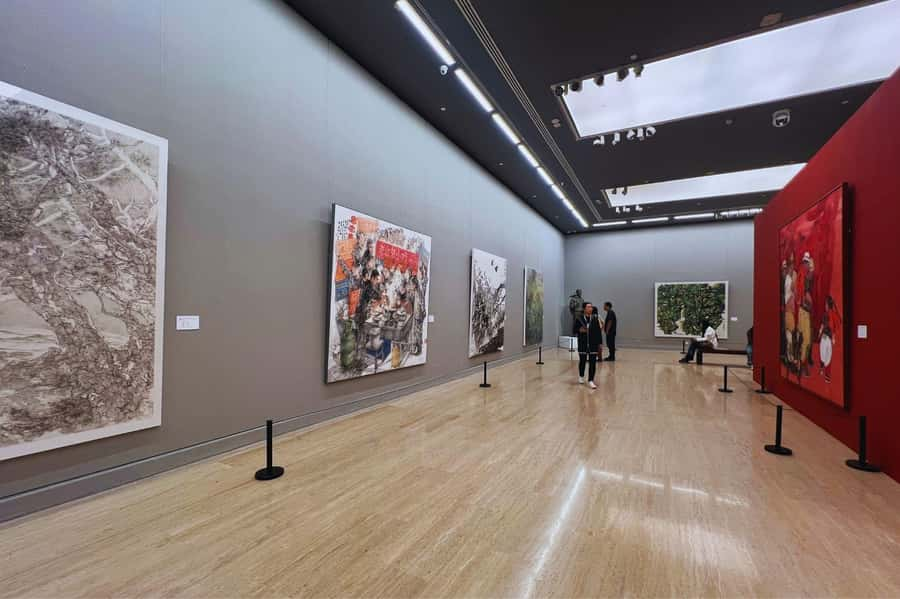
The English textual and visual guide is a practical part of this reservation. It gives you an alternative to wandering through Chinese-language labels without context, though the available details do not specify its exact format or whether it covers every displayed work.
I would use it in three passes. First, look at the room or display without reading anything. Notice the materials and overall effect. Second, check the English text for the work’s subject, period, or artistic setting. Third, return to the piece and see if the added information changes what you notice.
The visual element should help when you are looking at calligraphy or works where the subject is not immediately clear. A short explanation can point out features that are easy to miss, such as the role of empty paper in an ink painting or the structure of a written composition.
Still, this is not the same as having an art historian beside you. If you want detailed answers throughout the visit, this self-guided format may feel limited. If you like choosing your own stops and reading only when you need help, it is a better match.
Planning your two-hour visit
The stated duration is about two hours. That is enough for a meaningful visit if you select a pace before entering. I would allow the first 15 minutes to get oriented, then spend about 75 to 90 minutes on the galleries that interest you most, leaving a little time for any final room or special display.
Do not assume that a large collection means you need to see everything. The museum’s size is an advantage, but it can also create decision fatigue. Focus on the kinds of art that matter most to you: traditional ink painting, calligraphy, sculpture, modern work, or current exhibitions.
If you stop to read every English explanation, two hours can pass quickly. If you prefer a broad look, move steadily and pause only at pieces that catch your attention. The booking gives you access to the museum, not a set list of required stops.
The activity is wheelchair accessible, which makes it a practical choice for visitors who need an accessible cultural stop. The available details do not describe specific routes, lifts, or gallery facilities, so you may still want to confirm any particular access needs before arrival.
Smoking is not allowed. Children under two are not considered suitable for this activity, so families should take that rule into account when planning their Beijing schedule.
Is the $6 price good value?
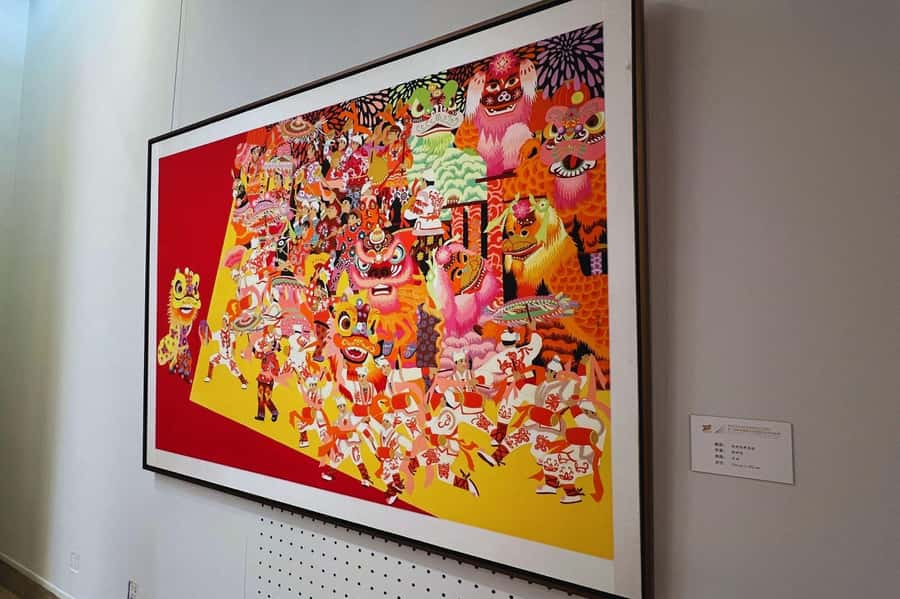
At $6 per person, this is an inexpensive way to spend two hours in a major national museum. The value is strongest if you already want to see Chinese art and would rather have an entry reservation than work out the museum process from scratch.
You are paying for the entry reservation and the English textual and visual guide. Other personal expenses are not included, so budget separately for anything else you may need during your outing.
The price is also useful for a flexible Beijing itinerary. You do not need to commit to a full-day tour or a private guide. You can pair the museum with other plans in the city and leave once you have seen the galleries that matter to you.
The tradeoff is that this is a reservation, not a guided art lesson. You will not receive a personalized explanation of every piece, and no guide name or group size is supplied. If you want expert commentary, a separate guided museum visit may offer more, but it will likely cost more as well.
Booking flexibility and arrival advice
The reserve-now-and-pay-later option lets you hold your place without paying immediately. That can help when your Beijing schedule is still changing, especially since the activity requires you to select an available starting time.
Free cancellation is available up to 24 hours in advance for a full refund. Keep that cutoff in mind if your plans are uncertain. After that point, the stated cancellation benefit no longer applies.
Check the available starting times before finalizing your day. The duration is listed as two hours, but the exact entry schedule depends on availability. Do not build an overly tight plan around the museum if you have another timed booking nearby.
Bring your passport or ID card and allow enough time for the ticket office redemption process. The experience is designed to help you skip the regular ticket line, but that does not remove the need to follow on-site entry instructions.
Who will enjoy this museum most?
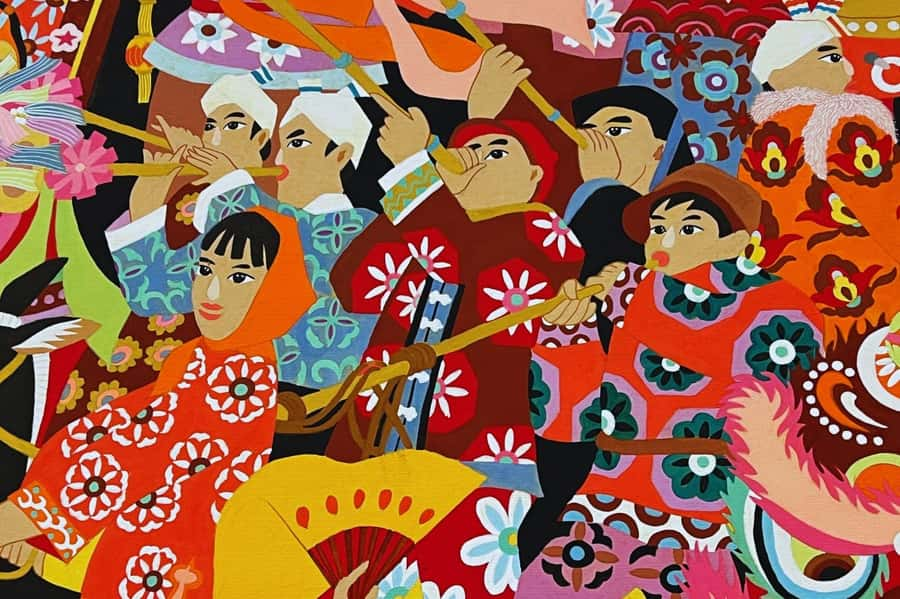
I would recommend this experience to anyone who wants an independent introduction to Chinese art. It works especially well for visitors who enjoy choosing their own pace, reading selected explanations, and comparing traditional forms with modern and contemporary work.
It also suits a short Beijing visit. Two hours is long enough to see substantial parts of the museum without committing half a day. The low price makes it easy to add to an itinerary, even if you are not sure how much time you want to spend in art galleries.
Families with very young children should note the under-two restriction. Older children may appreciate the sculpture and visual variety, but the activity is not described as a children’s program, so adults should decide if a self-guided museum visit matches the family’s interests.
Art specialists may want more precise exhibition information before booking. The museum’s program changes, and the reservation does not identify particular artists, galleries, or temporary shows. For a general museum visit, that is fine. For one targeted exhibition, confirm the current display first.
Should you book the National Art Museum of China?
Book it if you want a low-cost, flexible museum visit with an English guide and the freedom to explore without a group. The strongest reasons are the broad collection, the combination of traditional and newer Chinese art, the accessible format, and the simple entry reservation.
Think twice if you need a personal guide, a guaranteed temporary exhibition, or a detailed route through the collection. This is a self-directed cultural stop, and its value comes from the freedom to look around rather than from a tightly managed tour.
For most visitors curious about Chinese art, $6 is a sensible price for two hours at NAMOC. Bring your passport or ID card, use the English guide selectively, and choose a few galleries to see well instead of racing through the entire museum.
FAQ
Where is the National Art Museum of China?
The museum is in Beijing, in northern China.
How much does the entry reservation cost?
The reservation costs $6 per person.
How long does the visit last?
The listed duration is two hours. You need to check availability for the possible starting times.
What does the reservation include?
It includes entry reservation for the National Art Museum of China and an English version of the textual and visual guide.
Is a tour guide provided?
No individual guide is identified in the activity details. You explore the museum independently and use the included English guide.
What identification should I bring?
Bring your passport or ID card for the entry process.
Can I cancel the reservation?
Yes. You can cancel up to 24 hours in advance for a full refund.
Can I reserve now and pay later?
Yes. The reserve-now-and-pay-later option lets you book without paying at the time of reservation.
Is the museum wheelchair accessible?
Yes, the activity is listed as wheelchair accessible.
Just added around Beijing
- Xian: Must see Eternal Love or Camel Bell Legend show Ticket★ 5.0 · 3 reviews
- 2-Day Beijing Must-See Tour:4 UNESCO Sites+Tian’anmen&Hutong★ 5.0 · 4 reviews
- Beijing: 2-Day private Tour with Great wall& Forbidden city★ 5.0 · 5 reviews
- Xian: Bus Tour of Terracotta Warriors With Guide & Lunch★ 4.2 · 5 reviews
- Private Transfer to Mutianyu Great Wall with professional driver★ 5.0 · 19 reviews
- Twilight Glow at Badaling Great Wall Evening Bus Tour+Ticket★ 4.9 · 11 reviews
- Yuxiandu Chinese Royal Cuisine Museum with Show and Royal Banquet★ 5.0 · 4 reviews
- ZANBUS: Trip to the Jinshanling Great Wall Departing at 7:30 AM★ 5.0 · 5 reviews
Beijing Attraction Tickets, compared.

4-Hour Small Group Tour to Forbidden City with Entry Tickets
Read our review →

The Temple of Heaven or Summer Palace Entry Ticket
Read our review →
Beijing Forbidden City Ticket Booking (Optional: guide service)
Read our review →
The Forbidden City or Tiananmen Square Entry Ticket
Read our review →
Summer Palace Entry Ticket and Optional Guided Tour
Read our review →
Tiananmen Square and Forbidden City Entry Tickets
Read our review →
Browse the lists this tour appears in