
Reviewed · BEIJING HUTONG TOURS
Chinese Tea ceremony in Beijing Hutong courtyard
A small courtyard just minutes from the Forbidden City gives this tea experience its real appeal. You do not simply sit in a modern teahouse and drink a cup of tea. You learn how Chinese tea is prepared, served, and matched to the seasons, while talking with local hosts connected to the hutong neighborhood for generations.
I like the small group size of up to four people, which should make the hour feel personal rather than staged. I also like the location, close to the Forbidden City, Imperial Ancestral Temple, and Pudusi inheritance site, so you can pair the tea with a walk through one of Beijing’s most historic areas. The main caution is price clarity: the experience is listed at $31 per person, while the details also mention an additional 100 RMB per person charge.
Key points at a glance
- Choose from four classic tea styles: Green, black, oolong, and Pu’er tea are offered.
- Sit in a real Beijing hutong courtyard: The setting gives you a glimpse of local residential life near the city’s imperial center.
- Learn practical brewing skills: You are shown how to prepare tea properly instead of simply pouring boiling water over leaves.
- Meet English-speaking hosts: Limeng is named in several bookings, and the hosts explain tea customs and Beijing life in English.
- Enjoy a short one-hour format: It fits neatly before or after a visit to the Forbidden City.
- Keep the group intimate: The session is limited to four participants and includes complimentary snacks.
A quiet tea break beside the Forbidden City
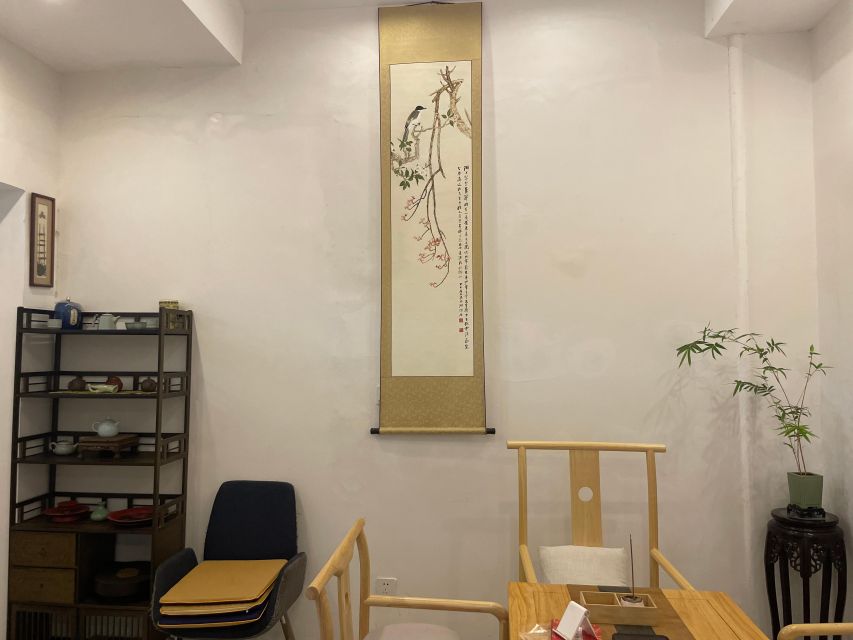
The setting does much of the work here. The tea workshop is described as being about 150 meters from the east gate of the Forbidden City, with another location note placing it 800 meters west of the Forbidden City exit gate. Those directions are not perfectly consistent, so I would confirm the exact meeting point before setting off.
Either way, you are in the heart of central Beijing. This is not an out-of-town tea farm or a polished hotel lounge. You are near old imperial sites and inside a hutong courtyard, where narrow lanes and traditional homes offer a different view of the city than the grand gates and ceremonial halls nearby.
That contrast is the point. The Forbidden City shows you the public face of imperial Beijing. The courtyard gives you a chance to talk about ordinary local life, family connections, and the way tea fits into Chinese culture. For many people, that conversation will be as memorable as the tea itself.
The workshop lasts one hour. That is short enough to add to a sightseeing day without giving up half your afternoon. If you have just left the Forbidden City, it can be a welcome change of pace after the crowds, wide courtyards, and long walking distances inside the palace complex.
More hutong tours in Beijing:
- Beijing Hutong Walking Food and Beer Tour at Hidden Restaurants
★ 5.0 · 1,132 reviews - Old Beijing Dinner Tour
★ 5.0 · 348 reviews - Temple Heaven, Summer Palace, Lama Temple, Hutong Bus Tour
★ 4.7 · 319 reviews
What happens during the tea ceremony
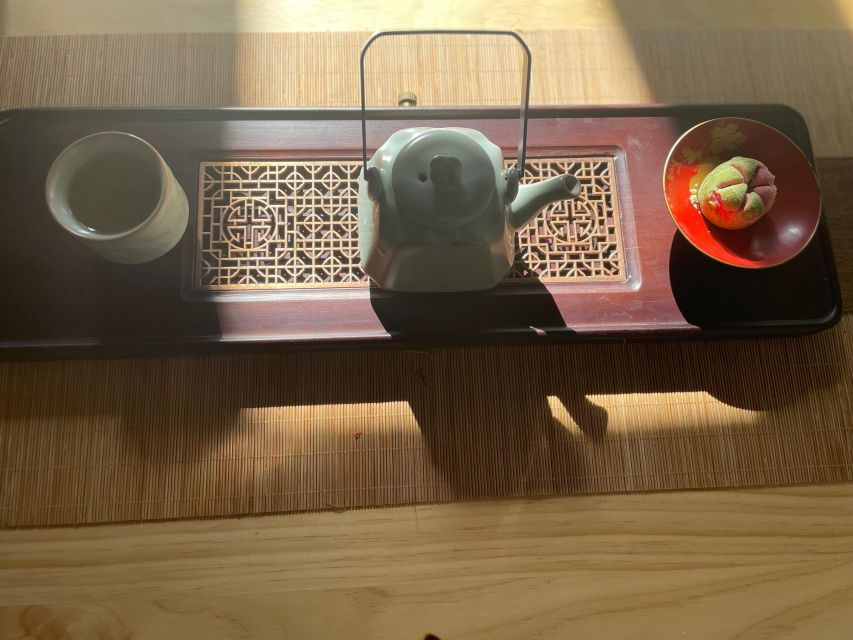
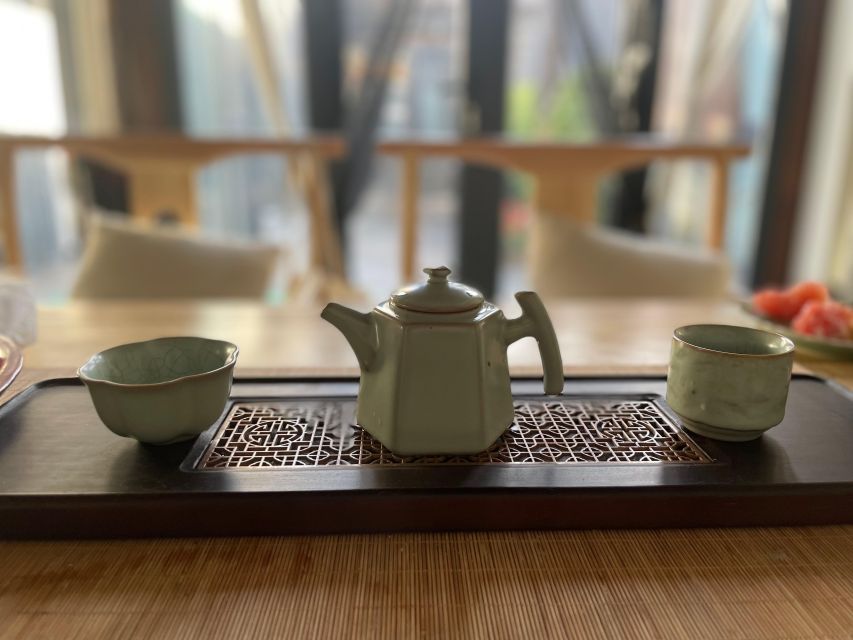
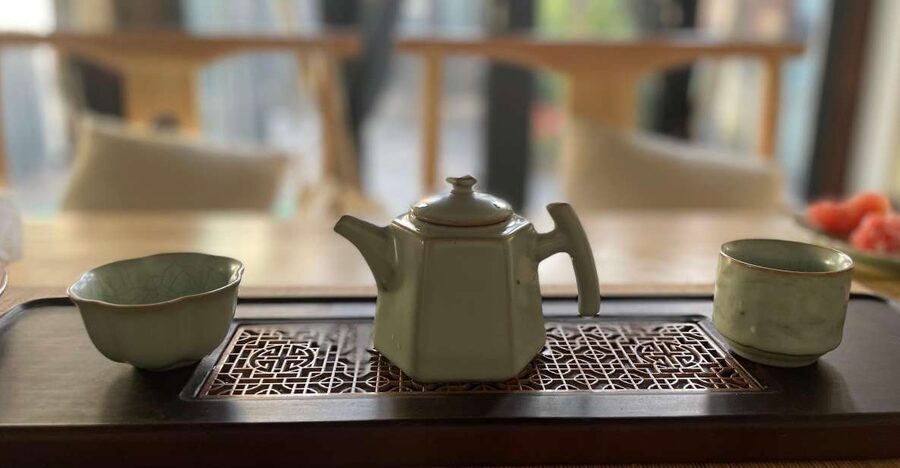
You begin by choosing a tea. The available styles include green tea, black tea, oolong tea, and Pu’er tea. These are not interchangeable flavors, and part of the session is learning why people choose one kind over another.
The hosts explain the character of each tea and how it is traditionally prepared. You may taste more than one variety during the hour. Several sessions included two different teas, giving participants a chance to compare flavor and aroma rather than rushing through a single cup.
The brewing lesson is practical. You learn that good tea depends on more than adding boiling water and waiting three minutes. Water temperature, timing, the amount of leaf, and the way the tea is poured all affect the result. If you drink tea at home, this is one of the most useful parts of the activity because you leave with a technique you can use again.
The ceremony also includes instruction on how to hold the teacup with grace and how to drink tea according to Chinese custom. These details may sound small, but they help explain that tea is not only a beverage. It can be a way to show care, welcome a guest, slow down a conversation, and mark an occasion.
The hosts also discuss seasonal choices and the traditional effect different teas are thought to have on the body. Treat this as cultural context rather than medical advice. The value is in understanding how tea is viewed within Chinese tradition.
Complimentary snacks are served with the tea. They are meant to complement the drinks and make the sitting feel like a proper tea gathering, not a quick tasting at a counter.
Why the hosts matter as much as the tea
The strongest part of this experience is the human contact. The hosts are described as friendly and easy to talk with, and English is provided for the session. Limeng is named as a host in several bookings, with special praise for her warm manner and clear communication.
You can ask about tea, hutongs, Beijing, and daily life. One session also led to practical food advice about where to find less tourist-focused Beijing duck. That kind of exchange is hard to schedule in a major palace or museum. It comes from sitting with someone who knows the city and has time to talk.
The family connection to the neighborhood adds useful context. The host’s family has lived in the courtyard area for generations, so the setting is not just a backdrop chosen for photographs. You have a chance to hear how local residents relate to the hutong and how the area fits into modern Beijing.
Of course, the depth of conversation will depend on the host, the size of the group, and your own questions. With a one-hour limit, do not expect a full oral history of Beijing. But the small format gives you far more room for conversation than a large group demonstration.
This is also a good choice if you are not a serious tea drinker. Some people arrive mainly for the cultural exchange and find that the tea itself becomes part of the fun. The hosts explain the flavors without assuming that you already know anything about Chinese tea.
Four teas, four different ways to taste China
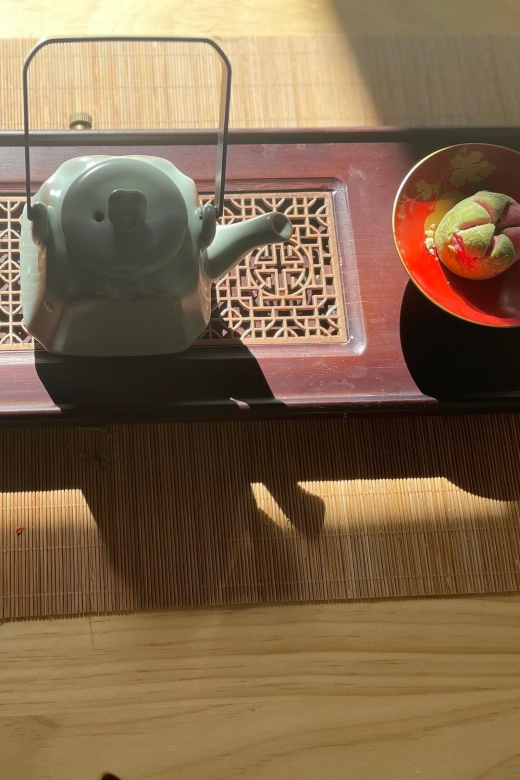
The choice of tea gives the session some range.
Green tea is often associated with a fresh, light style. It is a natural starting point if you usually drink simple tea and want something clean and delicate.
Black tea offers a fuller flavor and may feel more familiar to anyone used to Western-style breakfast tea. Chinese black tea has its own character, and tasting it beside green tea helps make the differences clear.
Oolong tea sits between green and black in terms of processing and flavor. It can be a good option if you want something more complex without the stronger character of some aged teas.
Pu’er tea is especially interesting if you want to learn about a traditional tea with a distinct identity. Its flavor can be unfamiliar at first, which makes the explanation and preparation method important.
The exact teas available may vary. The experience promises different types to choose from, not a fixed tasting menu, so ask what is being served on the day. If you have a preference, say so early.
More tea ceremony and calligraphy workshops in Beijing:
- Beijing Calligraphy Class
★ 4.9 · 112 reviews - Chinese Calligraphy Class for Small Group
★ 5.0 · 104 reviews - Traditional Chinese Tea Ceremony Experience
★ 4.7 · 74 reviews - Beijing Historic City Guided Walking Tour + Calligraphy Creation
★ 5.0 · 59 reviews
Hutong life beyond the palace gates
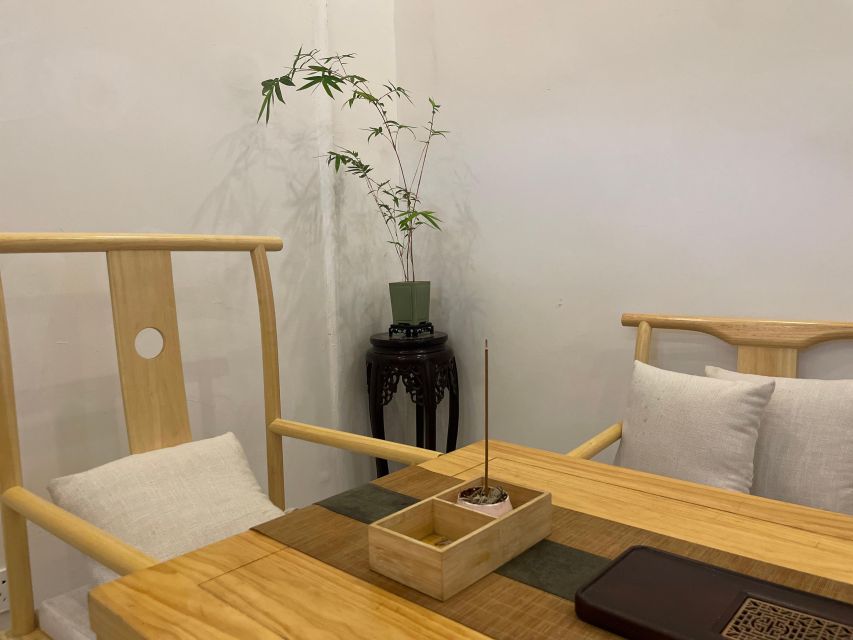
Beijing’s historic center is easy to read through monuments. You see the Forbidden City, imperial gates, and formal courtyards. A hutong offers a more domestic view, with a sense of how people live between those major sights.
This workshop gives you time to notice that change in scale. The imperial sites nearby were designed to impress. The tea courtyard is meant for sitting, talking, and sharing something simple. That is why the location feels useful rather than decorative.
A short walk may be included after the tea, taking you toward a quieter hutong just steps from the Forbidden City. The exact walking portion should be confirmed when you book, since the main description focuses on the tea ceremony itself. Even without the walk, you are well placed for exploring the surrounding historic streets on your own.
The nearby Pudusi inheritance site and Imperial Ancestral Temple give you more options for the rest of the day. You can build a compact central Beijing plan around the session, perhaps visiting the Forbidden City first, stopping for tea, then continuing through the old neighborhood.
Is $31 per person good value?
At $31 per person, the price is reasonable if you value conversation, instruction, and location rather than a large quantity of tea. You are paying for a one-hour cultural session with an English-speaking host, snacks, a courtyard setting, and a small group capped at four people.
The value is strongest for someone who wants context. A simple cup of tea costs far less, of course. This activity makes sense because it shows you how tea is prepared and explains why the ceremony matters. It also gives you access to a local host in a setting that is close to major sights but feels more personal.
For a family of four, the total rises quickly. One family booking considered the experience worthwhile but felt the cost was steep for the whole group. That is a fair concern, especially if some members of your party are not interested in tea or cultural demonstrations.
There is also a pricing detail you should settle before paying. The information gives a price of $31 per person and separately says that it will charge 100 RMB per person. It is not clear whether the 100 RMB is an additional fee, a local payment, or an inconsistent note. Ask the provider to confirm the full cost in advance.
Who should book this experience?
I would recommend it to you if you want a calm cultural stop between major Beijing sights. It suits first-time visitors who want an introduction to Chinese tea, as well as people who already drink tea and want to improve their brewing technique.
It is particularly good for:
- Couples who enjoy conversation and local culture
- Solo visitors who want a small, welcoming activity
- Families with older children who can appreciate the ceremony
- Tea drinkers interested in green, black, oolong, or Pu’er tea
- Anyone staying near the Forbidden City
- Visitors who prefer personal contact over a large scheduled tour
It may be less suitable if you want a long formal ceremony, a broad food tasting, or a full-day introduction to Beijing. The session is only one hour, and its focus is tea, conversation, and the courtyard setting.
The wheelchair-accessible format is a useful point for anyone who needs it, though you should still confirm the exact entrance and route because hutong streets and historic areas can vary in access.
How to fit it into your Beijing day
The most logical plan is to place the tea ceremony before or after the Forbidden City. The central location means you do not need to dedicate a separate half-day to it.
If you visit the Forbidden City first, allow enough time to reach the pickup point or courtyard without rushing. The palace complex is large, and the east gate and exit gate references in the directions could cause confusion. Check which gate applies to your booking.
Pickup is included, with instructions to wait in your hotel lobby 10 minutes before the scheduled pickup time. Since the activity is also described as being near the Forbidden City, confirm whether pickup means hotel transport or assistance meeting you at the central location.
The one-hour length also makes this easy to combine with lunch, the Imperial Ancestral Temple, Pudusi inheritance site, or a walk through nearby hutongs. Do not pack the schedule too tightly. The best part of the session is the conversation, and that works better when you are not watching the clock every few minutes.
Free cancellation is available up to 24 hours before the start time, and you can reserve now and pay later. Those terms help if your Beijing schedule depends on palace entry times or changing transport plans.
What makes this experience memorable
The tea itself is only one part of the appeal. The strongest combination is a traditional drink, a local courtyard, and direct conversation in the center of Beijing.
You learn how to brew tea with more care. You taste different styles. You hear about seasonal customs and the meaning behind the ceremony. Then you step back into the hutong with a little more understanding of the homes, lanes, and historic buildings around you.
The activity also avoids one common problem with cultural demonstrations: the feeling that you are watching from outside. With only four participants, you have room to ask questions and try the process yourself. That hands-on element makes the lesson more useful than a simple performance.
The experience has earned a 4.7 rating from 26 bookings, with especially strong praise for the hosts, the quality of the conversation, the tea selection, and the clear English explanations. I would give those points more weight than the rating itself. A tea ceremony can be technically correct and still feel cold. Here, the repeated praise for the hosts suggests that the personal welcome is central to the experience.
Should you book it?
Book this tea ceremony if you want a short, friendly introduction to Chinese tea in a location that connects easily with the Forbidden City. It is best for you if conversation, local life, and practical cultural knowledge matter as much as sightseeing.
I would skip it if you are looking for a large tea tasting, a long formal performance, or the lowest-cost way to drink tea in Beijing. Also confirm the exact meeting point and the possible 100 RMB extra charge before booking.
For most visitors with an interest in tea or hutong life, this is a smart one-hour addition to a central Beijing day. It gives you a quieter memory of the city, along with a useful new way to brew tea at home.
FAQ
How long does the Chinese tea ceremony last?
The activity lasts one hour.
Where is the tea ceremony held?
It is held in a traditional hutong courtyard in central Beijing, close to the Forbidden City. The location details place it near the east gate and also 800 meters west of the Forbidden City exit gate, so confirm the exact meeting point before arrival.
How many people can join?
The group is limited to four participants.
Which teas can I choose from?
The available choices include black tea, green tea, oolong tea, and Pu’er tea.
Is tea included in the price?
The experience includes one pot of Chinese tea, with different tea types available to choose from.
Are snacks included?
Yes. Complimentary snacks are served with the tea.
Is the activity taught in English?
Yes. The instructor and activity language are English. Limeng is named as a host in several sessions.
Is hotel pickup included?
Yes. Pickup is included, and you are asked to wait in your hotel lobby 10 minutes before the scheduled pickup time.
Is the activity wheelchair accessible?
Yes, the activity is listed as wheelchair accessible.
Can I cancel for a full refund?
Yes. You can cancel up to 24 hours in advance for a full refund.
Is there an additional charge?
The details list an additional charge of 100 RMB per person alongside the $31 price. Confirm the full amount with Bayi Teahouse before booking.
Just added around Beijing
- Xian: Must see Eternal Love or Camel Bell Legend show Ticket★ 5.0 · 3 reviews
- 2-Day Beijing Must-See Tour:4 UNESCO Sites+Tian’anmen&Hutong★ 5.0 · 4 reviews
- Beijing: 2-Day private Tour with Great wall& Forbidden city★ 5.0 · 5 reviews
- Xian: Bus Tour of Terracotta Warriors With Guide & Lunch★ 4.2 · 5 reviews
- Private Transfer to Mutianyu Great Wall with professional driver★ 5.0 · 19 reviews
- Twilight Glow at Badaling Great Wall Evening Bus Tour+Ticket★ 4.9 · 11 reviews
- Yuxiandu Chinese Royal Cuisine Museum with Show and Royal Banquet★ 5.0 · 4 reviews
- ZANBUS: Trip to the Jinshanling Great Wall Departing at 7:30 AM★ 5.0 · 5 reviews
Beijing Hutong Tours, compared.
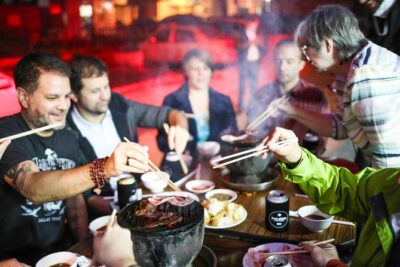
Beijing Hutong Walking Food and Beer Tour at Hidden Restaurants
Read our review →
Temple of Heaven, Summer Palace, Lama Temple, Hutong Tours
Read our review →
Beijing City Walk: Explore Hutongs Life and Old Beijing
Read our review →Browse the lists this tour appears in