
Reviewed · BEIJING WALKING TOURS
Beijing Historic City Guided Walking Tour + Calligraphy Creation
Beijing’s best stories often unfold away from its grandest monuments. This 3.5-hour walk leads you from the 1807 Huguang Guild Hall through old hutongs, art shops, food stalls, and historic shopping streets before ending near Tiananmen Square. You get a close look at how ordinary city life fits around imperial Beijing.
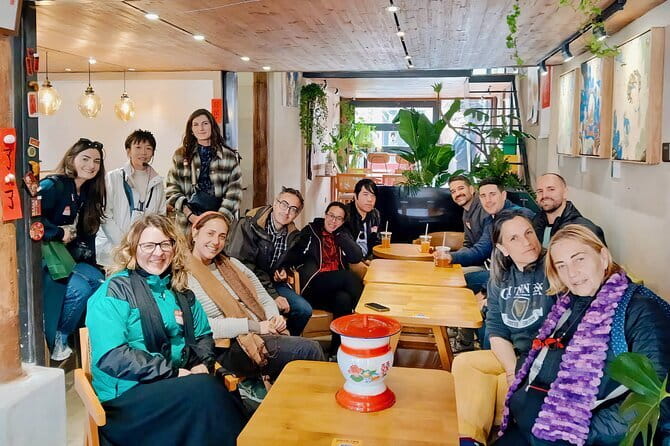
I like the varied route, which moves from opera and provincial guild culture to alley homes, calligraphy shops, cafés, and snack stands. I also like the guides’ storytelling style. Kris is praised for mixing history, local life, food, and small discoveries, while Hao is especially good at keeping the group engaged even in cold weather.
The main thing to understand is the price. The $5 booking fee reserves your place, but this is a tips-based tour, with a suggested tip of 160 to 200 RMB, or about $20 to $25. A large group can also affect the experience, so check the expected group size before you go.
Key points at a glance
- Huguang Guild Hall: Begin in an 1807 building linked to merchants and officials from Hubei and Hunan, with a traditional opera stage.
- Hutong life: Spend about an hour walking old residential lanes rather than checking off only Beijing’s famous monuments.
- Liulichang and calligraphy: Browse one of the city’s best-known streets for calligraphy, painting, antiques, and traditional arts.
- A changing Beijing: Yangmeizhu Byway shows newer shops and art spaces alongside older streets.
- Qianmen finish: End among historic commercial streets, food sellers, and easy metro connections.
- Tips-based pricing: The advertised $5 is a reservation fee, not the full expected cost of the tour.
Why this walk gives you a useful first look at Beijing
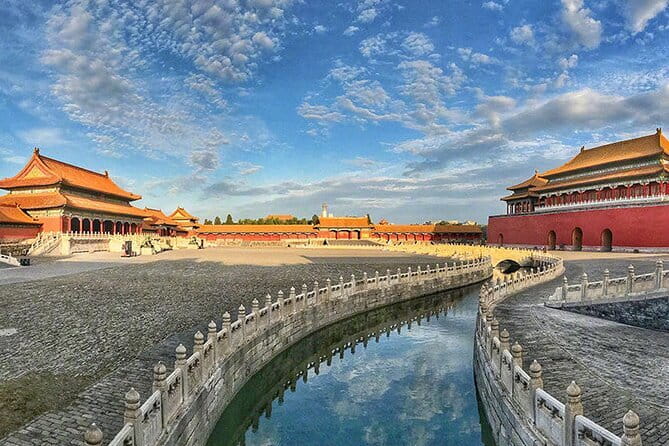
This is not a grand-monument tour. You will not enter Tiananmen Square, and the route does not focus on the Forbidden City, the Temple of Heaven, or other major ticketed sights. Instead, it gives you the street-level background that can make those places easier to understand.
The walk covers the city’s old commercial core south of central Beijing. You see how guilds, theatres, residential lanes, shops, cafés, and food vendors share a relatively compact area. That variety is the real strength of the outing. In one morning, you move from a formal historic building to narrow hutongs and then into busy pedestrian streets.
The guide is central to the experience. The English-speaking guides are expected to explain not just dates and names, but also daily life, city planning, old customs, and the changes brought by modern development. The strongest feedback highlights clear explanations, well-timed stops, and stories that connect past and present.
You should allow three and a half hours, starting at 10:00 a.m. The pace is designed for walking and stopping often, rather than rushing from one attraction to the next. One account praised the balance of history, food, anecdotes, and short visits. That makes this a good choice for a first morning in Beijing or for a short stay when you want orientation without spending half a day inside one large complex.
More tea ceremony and calligraphy workshops in Beijing:
- Beijing Calligraphy Class
★ 4.9 · 112 reviews - Chinese Calligraphy Class for Small Group
★ 5.0 · 104 reviews - Traditional Chinese Tea Ceremony Experience
★ 4.7 · 74 reviews
Starting at Huguang Guild Hall
The tour begins at Huguang Guild Hall on Hu Fang Road. Built in 1807, this building once served merchants and officials from Hubei and Hunan provinces. Guild halls like this helped people from the same region meet, conduct business, and maintain social ties while living or working far from home.
You spend about 20 minutes here. The opera stage is the key feature, with decorative details that give you a sense of traditional performance culture. It is a compact opening stop, but it sets up an important idea for the rest of the walk: Beijing’s past was shaped not only by emperors and officials, but also by migrants, traders, performers, and working communities.
Admission is listed as free. Since the tour does not include a large ticketed attraction, much of its value comes from the guide’s explanation and from the route itself. If you want a long visit inside a major museum or palace, this will feel different. If you prefer context and street scenes, the short stop works well.
An hour among Beijing’s hutongs
The longest section is the one-hour hutong walk. These narrow lanes once formed the basic fabric of Beijing neighborhoods, linking homes, small businesses, and shared community spaces. The route offers a closer look at residential Beijing than you get from a quick pass along a main road.
This is the portion I would value most. Hutongs show how the city worked at ground level. You can look at the shape of the lanes, the entrances to homes, and the way older neighborhoods sit beside newer shops and services. The experience is less about one spectacular view and more about noticing how a city is lived in.
The walk also explains Beijing’s urban planning changes and the pressures facing old neighborhoods. That subject gives the hutong visit more weight. You are not simply seeing an old alley preserved for visitors. You are looking at a part of the city affected by redevelopment, changing housing needs, and the demand for commercial space.
Keep your expectations sensible. The tour description does not promise entry into private homes or a formal museum presentation. You are walking through public areas, listening to the guide, and seeing local streets as part of a working city. One person expected the major sights but found the hutong section more rewarding because it offered a different kind of lesson about Beijing.
Liulichang Street and the calligraphy focus
Liulichang Street takes about 40 minutes. This is Beijing’s traditional art and book district, known for shops selling calligraphy, paintings, antiques, and related cultural goods. It is a natural place for the calligraphy creation element named in the experience.
The street offers a change in mood after the residential lanes. Here, the focus turns to Chinese writing, painting, collecting, and the commercial side of traditional arts. Your guide can help explain what you are seeing and why calligraphy has such an important place in Chinese culture.
The experience title includes calligraphy creation, but the supplied details do not specify the exact materials, format, or length of that activity. If making your own piece is a major reason for booking, confirm how it is handled before you go. Do not assume the entire 40-minute stop is a private workshop.
That uncertainty is worth noting, but it does not make the stop unhelpful. Even if your time is mainly spent walking and looking, Liulichang gives you a chance to see a part of Beijing that feels very different from the food streets and hutongs. You may also find a small souvenir here, though the tour does not include a purchase or artwork.
More walking tours in Beijing:
- Beijing Hutong Walking Food and Beer Tour at Hidden Restaurants
★ 5.0 · 1,132 reviews - Private Beijing Walking Tour of the Forbidden City with 7 Options
★ 5.0 · 675 reviews - Forbidden City Private Walking Tour with Optional Sights
★ 5.0 · 400 reviews - Beijing Private Hutong Food Walking Tour
★ 5.0 · 299 reviews
Yangmeizhu Byway, where old streets meet newer ideas
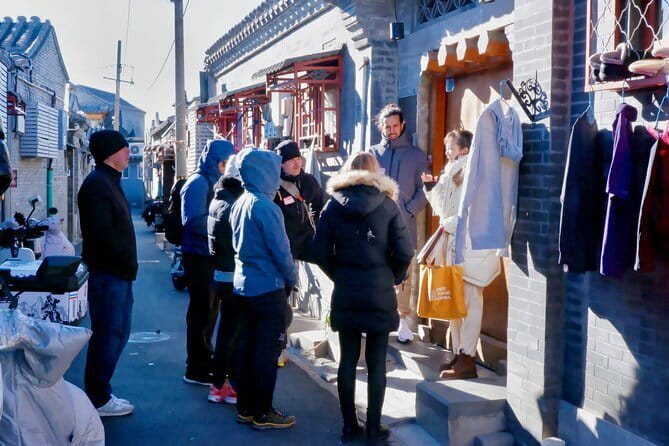
The 20-minute stop at Yangmeizhu Byway shows another side of the old city. The lane is associated with small design shops, art studios, cafés, and newer creative businesses. It is a useful contrast to Liulichang’s established art trade and to the residential hutongs.
This brief visit works because the route is not trying to present Beijing as a frozen historical display. You see an old street being used in newer ways. The mix of older buildings and contemporary shops helps explain why urban change is such a central theme of the tour.
Twenty minutes is enough for an introduction but not a full shopping or café visit. If you see a place you like, you may need to return on your own. The schedule has several stops still ahead, so expect a guided look rather than free time.
Dashilan’s shops, food, and commercial past
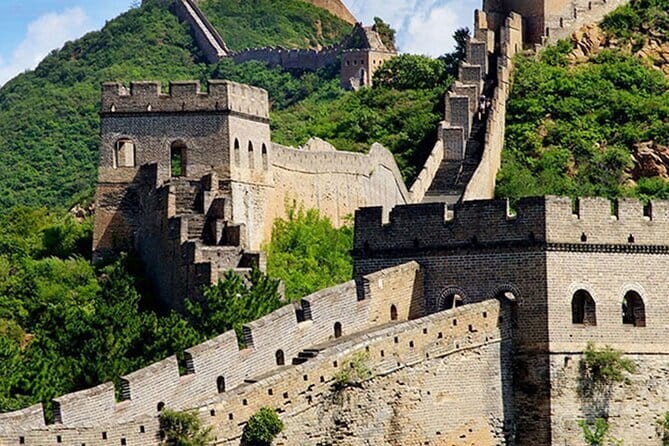
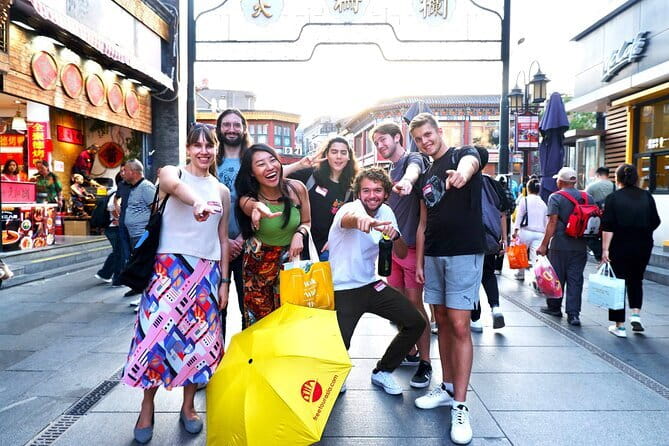
Dashilan Street is one of the liveliest parts of the route. It is known as Beijing’s oldest commercial area, with long-established shops, newer stores, and local food. The walk here lasts about 20 minutes, so you get a taste of the district rather than a full afternoon of browsing.
This is a good place to pay attention to the guide’s stories. Historic commercial streets are easier to appreciate when you understand who used them and what kinds of goods and services made them important. The route also gives you a chance to see how old shop traditions now share space with modern retail.
Food is part of the appeal. The experience description mentions street food vendors, and one account specifically enjoyed sampling street food along the way. Tastings can vary, so you should not book this as a dedicated food tour. Think of food as one part of a wider history walk.
Qianmen Walking Street and the final stop
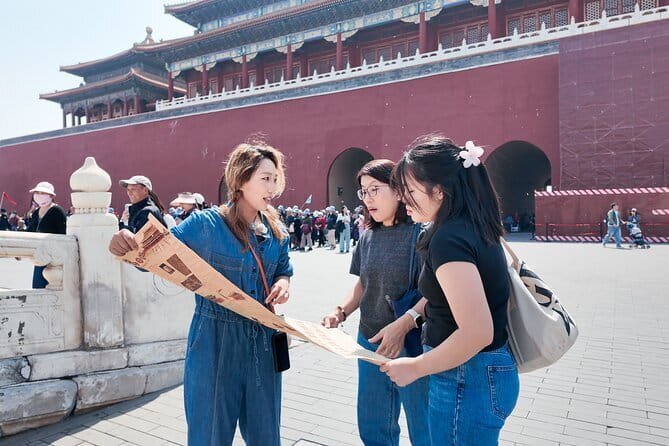
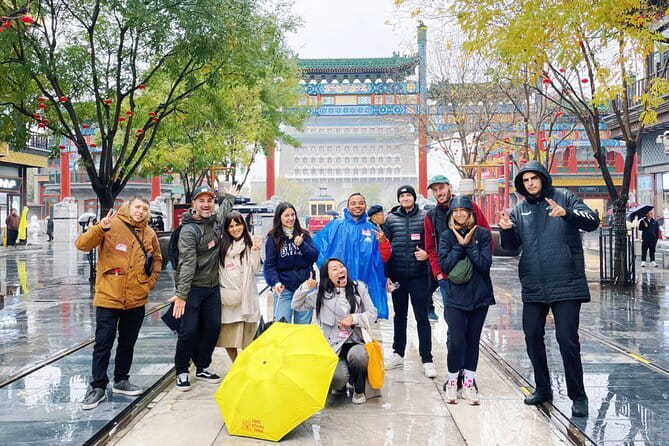
The route finishes on Qianmen Walking Street, another major shopping and dining area south of Tiananmen Square. Its restored older façades and pedestrian layout make it an easy place to continue exploring after the guide leaves.
Qianmen is a fitting ending because it brings together many of the tour’s themes: old businesses, newer retail, local food, tourism, and the effort to present Beijing’s past in a modern city. You can compare it with the quieter hutongs and the art-focused streets earlier in the morning.
The tour ends at Zhengyangmen, near Qianmen Metro Station on Lines 2 and 8. That is useful if you want to continue sightseeing or return to your hotel. The finish is in front of Tiananmen Square, but the group does not enter the square.
If Tiananmen Square is on your list, arrange that separately at least one day ahead. Same-day reservations are not possible according to the tour information. This is an important planning detail, especially if you are building a tightly timed Beijing itinerary.
What the $5 price really means
The low advertised price can be misleading if you read it as the complete cost. The $5 payment reserves your place. The tour operates on tips, and the suggested amount is 160 to 200 RMB, or approximately $20 to $25 or the euro equivalent.
That makes your likely total closer to $25 to $30, depending on the exchange rate and your tip. It is still a modest price for three and a half hours with an English-speaking guide, especially if the guide gives you the kind of historical context and food suggestions described here.
The tip system gives you some flexibility, but it also means you should budget for it from the start. Do not arrive thinking the experience costs only $5. The suggested range is presented as a fair payment for the guide’s work, and you should treat it as the normal expected cost rather than an optional surprise.
Group size, pace, and practical planning
This is a shared walking tour. Each booking is limited to six people, but the general activity information allows up to 50 participants, and one account found the group much larger than expected. That suggests the six-person limit may apply to an individual booking rather than the whole departure.
This matters because small groups make it easier to ask questions and hear the guide in narrow lanes. A larger gathering can be less personal and harder to keep together around food stalls and busy shopping streets. If your group has more than six people, contact the provider about arranging a private tour.
You need comfortable walking shoes and clothing suited to the weather. The tour requires good weather, and poor conditions can lead to a different date or a refund. One guide kept the group moving and interesting despite cold weather, but that does not mean you should underdress.
The meeting point is Huguang Guild Hall, 3 Hu Fang Lu, Xicheng District. The area is near public transportation. Confirmation is sent at booking, and mobile tickets are accepted, so keep the booking details easy to access on your phone.
Cancellation is free up to 24 hours before the 10:00 a.m. start. Changes or cancellations made inside that window are not refunded, and late changes are not accepted. The tour also needs a minimum number of participants, so a cancellation by the provider can result in another date, another experience, or a full refund.
Who will get the most from this Beijing walk
I would choose this tour if you want a guided introduction to Beijing’s old central districts, especially if you have already seen the city’s major palaces or do not have time for a long museum visit. It suits people who enjoy stories, short stops, street food, and seeing how history fits into ordinary neighborhoods.
It is also a sensible choice for solo visitors who want a planned route and an English-speaking guide. The shared format can make a short stay feel more organized, though you should be ready for the possibility of a larger group.
I would not choose it if your priority is entering Tiananmen Square, visiting the Forbidden City, or spending a full session making calligraphy. Those are not the main features here. The calligraphy element needs clarification, and the route is primarily a walking tour through public streets.
The strongest parts are the guide-led explanations, the hutong hour, and the mix of old and new districts. Guides such as Kris and Hao have been singled out for clear storytelling, patience, and local insight. Results can vary by guide and group size, but the format gives a good guide plenty to work with.
Should you book it?
Book this walk if you want street-level Beijing rather than a checklist of major monuments. For the suggested $20 to $25 tip plus the $5 reservation fee, you get a substantial morning route through guild culture, hutongs, calligraphy shops, creative lanes, old commerce, and Qianmen.
Before booking, confirm the group size and ask for details about the calligraphy creation activity if that is essential to you. Also reserve Tiananmen Square separately if you plan to visit it. With those points clear, this is a practical, good-value way to understand Beijing’s older neighborhoods and the changes shaping them.
FAQ
How long does the Beijing historic walking tour last?
The tour lasts approximately 3 hours and 30 minutes.
What time does the tour start?
The tour starts at 10:00 a.m.
Where does the tour begin?
It begins at Huguang Guild Hall, 3 Hu Fang Lu, Xicheng District, Beijing.
Where does the tour end?
It ends at Zhengyangmen near Qianmen Metro Station, served by Lines 2 and 8.
Does the tour enter Tiananmen Square?
No. The tour ends in front of Tiananmen Square but does not enter it.
Can I visit Tiananmen Square on the same day?
No. You must make your own reservation at least one day in advance because same-day reservations are not possible.
Is the $5 payment the full tour price?
No. The $5 fee reserves your spot. The tour uses a tips-based model, with a suggested tip of 160 to 200 RMB, approximately $20 to $25.
Is the tour private or shared?
It is a shared group tour. Each booking is limited to six people, while the general activity information allows a maximum of 50 participants overall.
What happens if the weather is poor or the minimum group size is not met?
The provider may offer another date or experience, or provide a full refund.
More historic sites in Beijing
- Beijing Historical Tour II including Summer Palace, Lama Temple & Panda Garden
★ 4.0 · 187 reviews - Beijing Historical Tour I – Forbidden City, Tiananmen Square & Temple of Heaven
★ 4.0 · 120 reviews - Beijing Culture: Tea Ceremony, Heritage Instrument & Calligraphy
★ 5.0 · 57 reviews - 2-Hour Beijing Private Forbidden City Tour: History & Highlights
★ 5.0 · 28 reviews
Just added around Beijing
- Xian: Must see Eternal Love or Camel Bell Legend show Ticket★ 5.0 · 3 reviews
- Beijing: 2-Day private Tour with Great wall& Forbidden city★ 5.0 · 5 reviews
- Xian: Bus Tour of Terracotta Warriors With Guide & Lunch★ 4.2 · 5 reviews
- 2-Day Beijing Must-See Tour:4 UNESCO Sites+Tian’anmen&Hutong★ 5.0 · 4 reviews
- Private Transfer to Mutianyu Great Wall with professional driver★ 5.0 · 19 reviews
- Twilight Glow at Badaling Great Wall Evening Bus Tour+Ticket★ 4.9 · 11 reviews
- Yuxiandu Chinese Royal Cuisine Museum with Show and Royal Banquet★ 5.0 · 4 reviews
- ZANBUS: Trip to the Jinshanling Great Wall Departing at 7:30 AM★ 5.0 · 5 reviews
Beijing Walking Tours, compared.
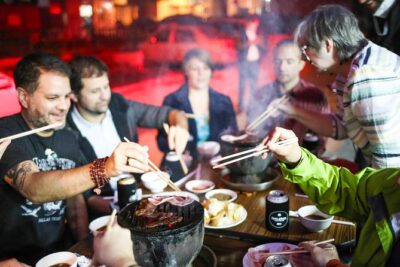
Beijing Hutong Walking Food and Beer Tour at Hidden Restaurants
Read our review →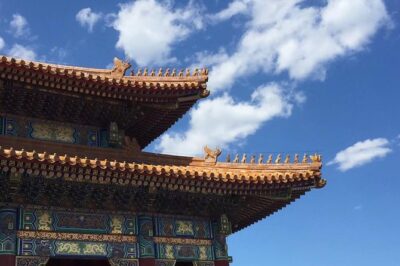
Private Beijing Walking Tour of the Forbidden City with 7 Options
Read our review →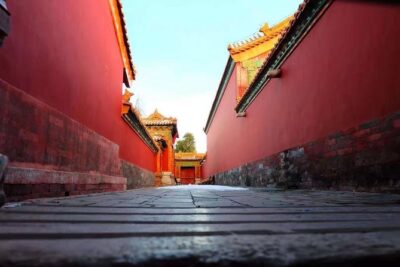
Forbidden City Private Walking Tour with Optional Sights
Read our review →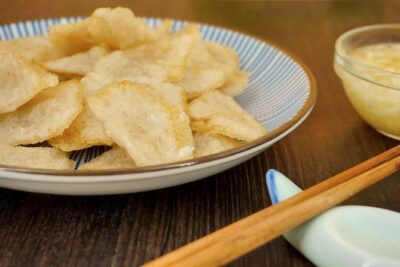
Highlights of Forbidden City Private Walking Tour
Read our review →
Browse the lists this tour appears in