
Reviewed · TEA CEREMONY AND CALLIGRAPHY WORKSHOPS
Beijing Calligraphy Class
Chinese calligraphy is more than writing a few attractive characters. It is a slow, focused art in which the order, weight, and direction of every brushstroke matter. In central Beijing, this class gives you a friendly introduction to that tradition without asking you to commit half a day to it. Richard is often the instructor, and the lesson is taught in English.
I like two things here: the class connects each character to Chinese culture, and the repeated brush exercises create a surprisingly peaceful break from sightseeing. Families also get something useful from it, since children can take part and create a piece to remember Beijing by. The main consideration is time. The 30-minute option is brief, so choose the one-hour class if you want practice, explanation, and a finished piece without rushing.
Key points at a glance
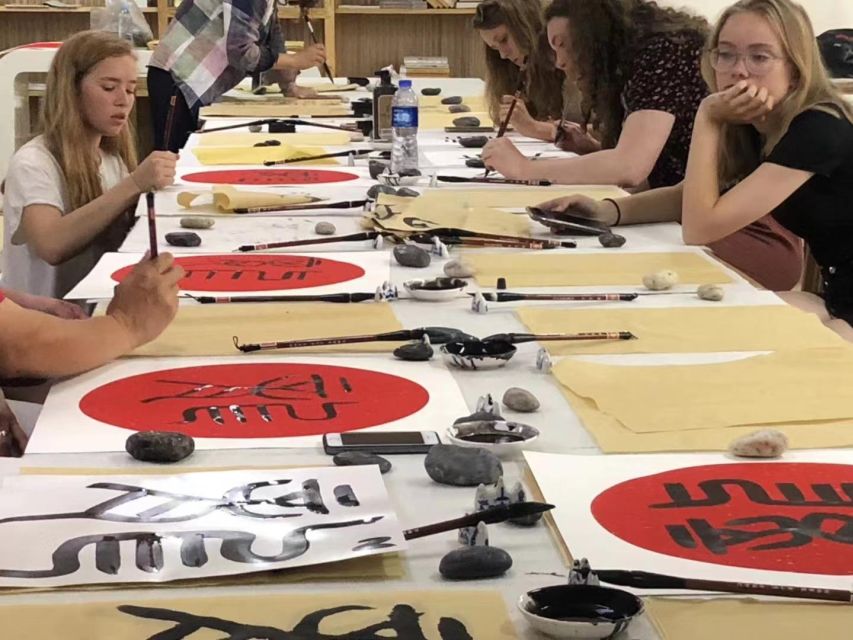
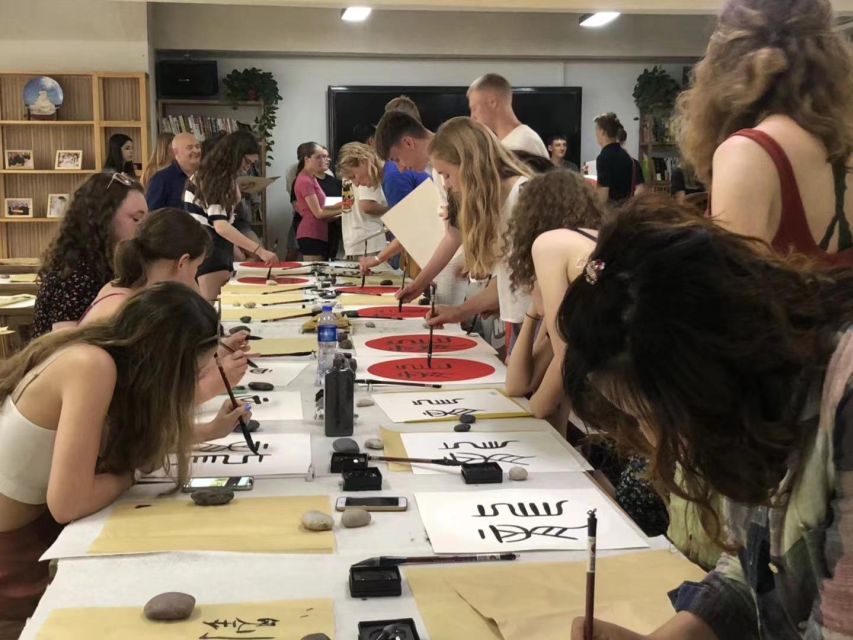
- Practice with real calligraphy tools: Use brushes, ink, ink stones, and rice paper during the lesson.
- Learn the meaning behind the characters: The teacher explains cultural ideas connected with the words you write.
- Meet at a simple Wangfujing landmark: Your teacher waits in the lobby of Sun World Dynasty Hotel.
- Choose 30 minutes or one hour: The shorter session works for a tight schedule, while one hour allows more correction and practice.
- A calm activity for families: Adults can enjoy the meditative rhythm, while children get a hands-on art project.
- Take home a personal keepsake: Several sessions include a finished artwork, and some students have also received pencils.
Why Chinese calligraphy makes a good Beijing activity
Beijing sightseeing can be wonderfully intense. You may spend one day moving through the Forbidden City, Tiananmen Square, temples, markets, and wide city streets. A calligraphy lesson changes the pace. You sit down, hold a brush, and pay attention to one mark at a time.
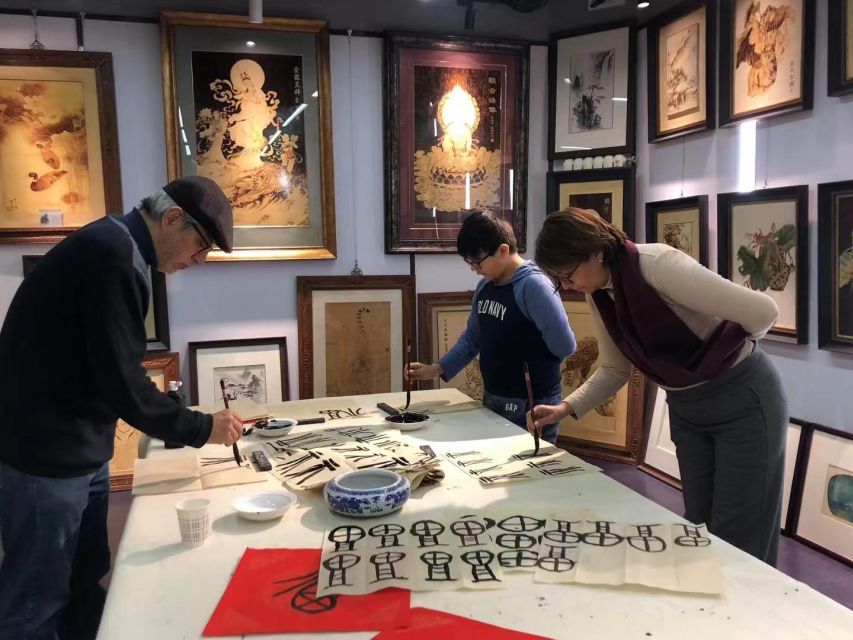
That change is the real appeal. You are not simply watching a demonstration. You practice the basic strokes yourself, make mistakes, adjust your hand, and slowly produce something recognizable. The class gives you a small working knowledge of an art that appears throughout China, from formal signs to paintings and traditional decorations.
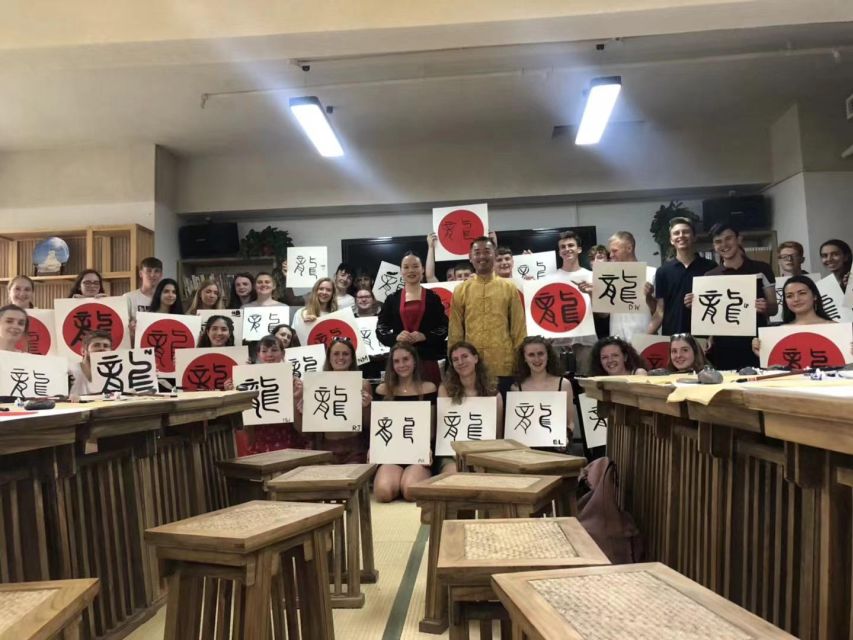
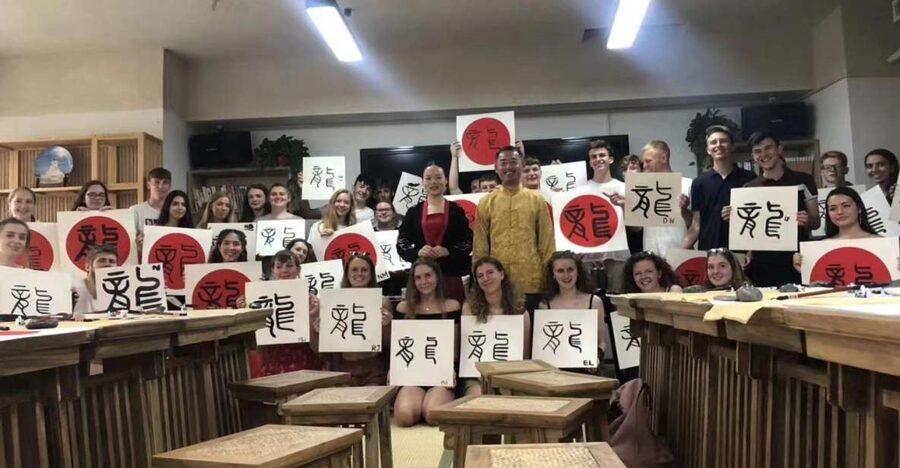
I also like that the lesson deals with meaning, not only technique. Characters can carry wishes, virtues, and ideas about harmony. One session used the character fu, commonly linked with good fortune, and introduced the saying One World One Heart. That gives your finished work a personal connection to Chinese culture instead of making it just a souvenir with attractive lines.
The experience is especially useful for visitors who want an activity with more contact and participation than a standard city tour. It is not a full course in Chinese calligraphy, and you will not become an accomplished calligrapher in an hour. But you can learn how the brush is held, why strokes are controlled, and how a character is built.
More tea ceremony and calligraphy workshops in Beijing:
- Chinese Calligraphy Class for Small Group
★ 5.0 · 104 reviews - Traditional Chinese Tea Ceremony Experience
★ 4.7 · 74 reviews - Beijing Historic City Guided Walking Tour + Calligraphy Creation
★ 5.0 · 59 reviews
Meeting your teacher in Wangfujing
The meeting point is the lobby of Sun World Dynasty Hotel at No. 50 Wangfujing Avenue, in Beijing’s Dongcheng District. The Chinese address is 北京天伦王朝酒店大厅地址:北京市东城区王府井大街50号. This is a useful central location, particularly if you are already staying or sightseeing around Wangfujing.
From Dengshikou Station on Subway Line 5, use Exit A. Walk left for about two minutes, or roughly 180 meters, then turn left at the first traffic light and continue west for about five minutes, around 480 meters. The total walk is listed as about eight minutes.
You can also arrive by taxi, or walk if your hotel is in the Wangfujing area. The teacher waits in the hotel lobby, which gives you a clear place to meet rather than sending you into an unfamiliar side street. If you are unsure of the route, allow extra time for finding the correct station exit and hotel entrance.
The actual class setting has varied in the details available. One family was met in the hotel lobby and walked across the street to a bookstore where the materials had been prepared. Other descriptions refer to a calligraphy studio. The practical lesson is the same: confirm the meeting point carefully, then follow the teacher to the teaching space.
The opening lesson: culture before the brush
The class usually begins with an introduction to the place of calligraphy in Chinese culture. This matters because the activity is not presented as ordinary handwriting practice. Calligraphy has its own standards of balance, rhythm, spacing, and control.
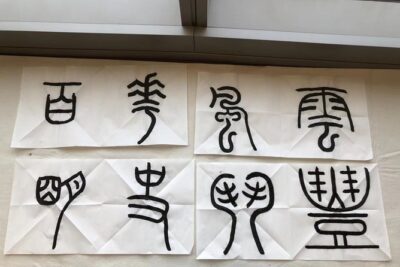
You learn that different styles produce different visual effects. The main styles introduced include regular script, running script, cursive script, and seal script. Regular script is the easiest place for a beginner to understand because the characters are clear and structured. Running and cursive forms are more fluid, while seal script has an older, more formal appearance.
Do not expect a long academic lecture. The lesson is designed for visitors, so the introduction leads fairly quickly into practical work. That balance is a strength. You get enough context to understand what you are doing, then you put the brush in your hand and begin.
The teacher may also explain the cultural meaning of the character selected for your practice. This is one of the most useful parts for a first visit to China. A character becomes easier to remember when you know the idea behind it, and the final artwork feels more personal when it represents good fortune, harmony, or another meaningful theme.
Learning the brush, ink, and paper
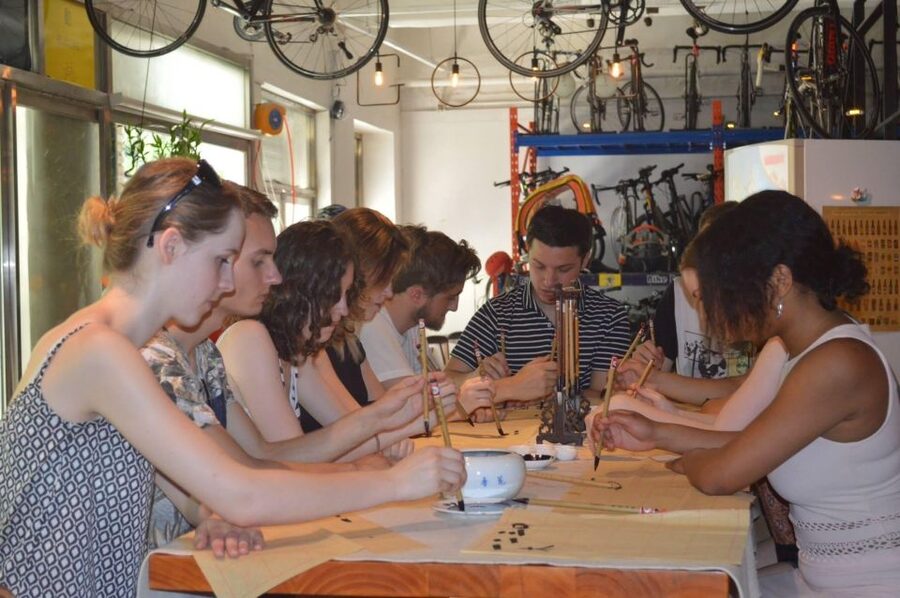
The class supplies the tools you need. You use a traditional brush, ink, an ink stone, and rice paper. For a first-time student, the brush can feel less predictable than a pencil or felt-tip pen. Its softness means that pressure changes the width and shape of a stroke.
The teacher shows you how to hold and guide it before asking you to attempt more complex work. You begin with simple strokes and basic exercises. These drills can feel repetitive at first, but that repetition has a purpose. It helps you steady your hand and notice how speed and pressure affect the ink.
This is where the teacher’s patience matters. Richard is the name most often associated with the class, while some sessions have been led by David or Li. The consistent strength of the instruction is individual correction. The teacher watches your hand, points out adjustments, and helps you improve before you move on to a final character.
You should not worry about producing perfect lines immediately. The point is to see how a character is constructed. Calligraphy rewards concentration more than quickness, and the class gives you a manageable first taste of that discipline.
More hands-on classes in Beijing:
- Beijing: Dumpling Making Workshop with Meal and Tea
★ 4.7 · 69 reviews - Online Cooking Class Beijing Dumplings and Cuisine by Sunflowerli Renowned Chef
★ 5.0 · 65 reviews - Beijing Wangfujing Calligraphy Class by Forbidden City
★ 5.0 · 58 reviews - Beijing Wangfujing Calligraphy Class Nearby Forbidden City
★ 5.0 · 56 reviews
From simple strokes to a finished character
After the warm-up exercises, you work toward a more complete composition. The teacher explains the order and shape of the strokes, then gives you time to practice. You may repeat the same character several times before choosing the version you like best.
The finished piece is the part many people value most. You are not merely taking a photograph of a demonstration. You leave with your own work, which can serve as a small wall decoration or travel memento. One family created a piece featuring fu, and another participant reported receiving artwork and pencils after the session.
The final result will depend on your time, patience, and previous experience. Do not expect a flawless museum piece. That would miss the point. A beginner’s work shows the process of learning, and the meaning behind the character often matters more than perfect form.
If you choose the 30-minute class, expect a compact introduction and a limited amount of practice. It can work well if you are fitting the activity between major sights or arranging a short stop during a busy day. The one-hour version is the better value for most people because it leaves room for the cultural introduction, hand exercises, corrections, and final artwork.
The quiet, meditative side of the lesson
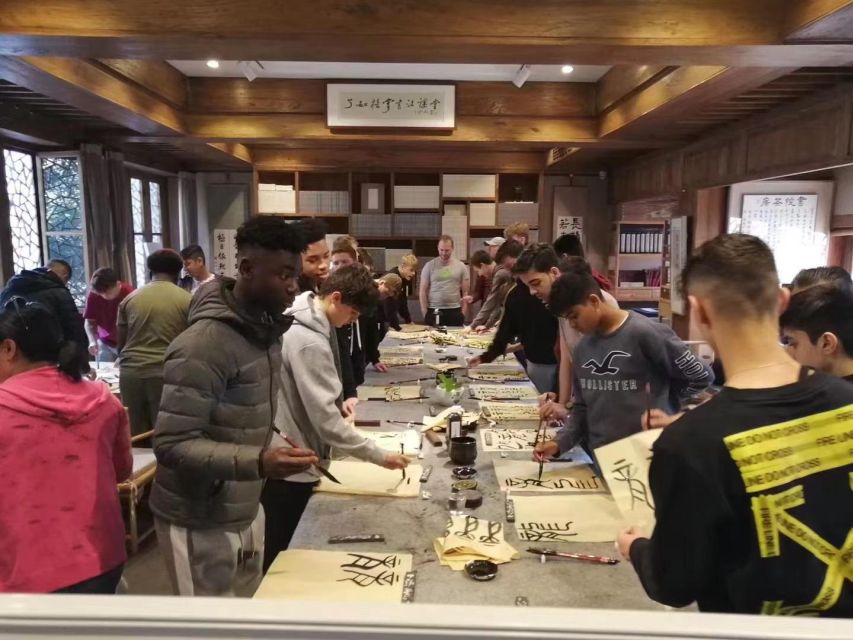
The class has an unexpected calming effect. Repeating brush movements forces you to slow down and focus on the paper. You cannot easily rush a stroke and expect it to look balanced.
Several lessons included tea or small snacks, adding to the relaxed atmosphere. These details are not guaranteed as a formal inclusion, so do not book solely for them. Still, they help explain why the activity can feel more like a peaceful cultural visit than a standard art class.
I would recommend this pace to anyone who has already spent several hours walking through Beijing. It gives your feet a rest and your mind a different job. Instead of navigating crowds or reading signs, you concentrate on the movement of the brush.
Children can benefit from the same structure. The lesson offers a clear task, visible progress, and an object to take home. An 11-year-old described the activity as both enjoyable and meditative, while families have found the teacher welcoming and patient. Younger children may need help staying focused, especially in the shorter class, but the practical format makes it easier for them to take part.
How much value do you get for $20?
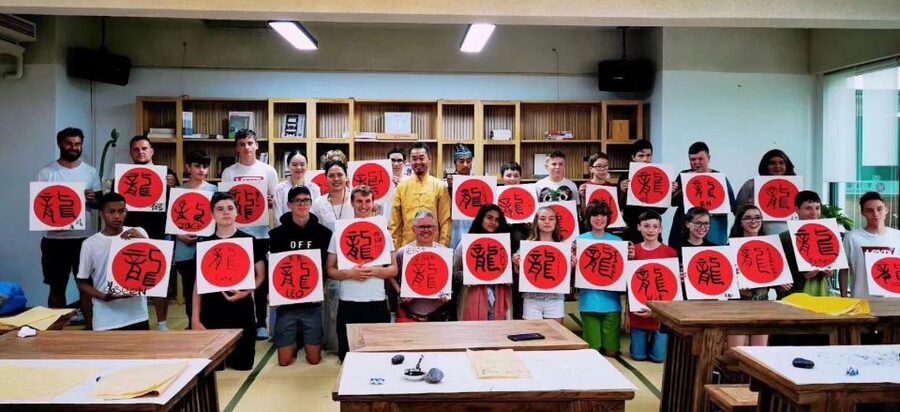
At $20 per person, this is a modestly priced activity for central Beijing. The fee includes the English-speaking art teacher, the calligraphy supplies, and either a 30-minute or one-hour class, depending on the option you select. You do not need to buy brushes, ink, or rice paper before arriving.
The value is strongest if you choose the one-hour session. The extra time is not just filler. It allows you to repeat strokes, receive corrections, and create a more considered final piece. The 30-minute option is still useful, but it is best viewed as a short introduction rather than a full workshop.
You will need to pay for your own taxi or subway fare. Personal shopping and any cost not specifically included are also separate. Since the meeting point is near Wangfujing and reachable by Line 5, transport does not need to add much to the budget if you are already in central Beijing.
For a family, the price can compare favorably with another paid attraction because everyone receives the same hands-on activity and creates an individual keepsake. For a solo visitor, it offers a personal cultural encounter without the cost or time commitment of a larger guided excursion.
Who should book this class
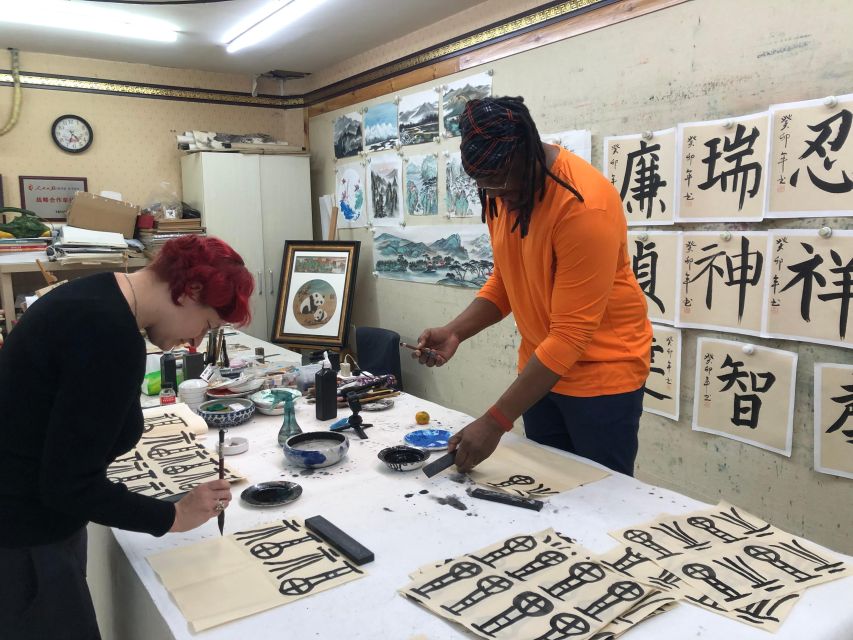
I would point this class toward several types of visitors:
- First-time visitors to China who want a simple introduction to an important traditional art.
- Families with children looking for an activity that is creative, calm, and easy to understand.
- Couples and solo visitors who prefer a quiet cultural experience to another crowded sightseeing stop.
- People with limited time who can spare 30 minutes near Wangfujing.
- Anyone wanting a meaningful souvenir rather than another mass-produced purchase.
It is less suitable if you want a long, advanced course or detailed training in several calligraphy styles. The lesson is introductory. Its purpose is to explain the basics, give you guided practice, and help you produce something personal.
You should also consider your schedule. The 30-minute option may feel rushed if you need time for translation, questions, and several attempts at the final character. I would choose one hour unless your itinerary is especially tight.
Practical booking advice for your Beijing day
Select the class length carefully when booking. The 30-minute and one-hour options are separate choices, and you should not assume that the longer session is automatic.
Arrive at the hotel lobby with enough time to find the building and meet the teacher. The activity offers free cancellation up to 24 hours before the start time, and you can reserve now and pay later, which helps if your Beijing plans are still changing.
The teaching language is English. The teacher can explain the basic cultural ideas, demonstrate the brushwork, and make corrections during practice. If you have a particular character in mind, you can ask about it, but the available information does not promise a custom character for every booking.
If you are staying in Wangfujing, walking is the easiest choice. From elsewhere, use a taxi or Subway Line 5 to Dengshikou Station. Keep the Chinese hotel address available on your phone, since it can help with directions.
Should you book the Beijing Calligraphy Class?
Book it if you want a low-cost, hands-on way to meet Chinese culture in central Beijing. The best parts are the patient instruction, the explanation of character meanings, the calm rhythm of practice, and the chance to take home your own artwork.
Choose the one-hour session for the fullest experience. Pick 30 minutes only if your schedule is tight or you mainly want a quick introduction. This is not an advanced training course, but it is a thoughtful break from sightseeing and a good choice for adults, children, couples, and solo visitors. At $20, it offers a strong mix of instruction, supplies, and personal meaning.
FAQ
Where does the Beijing Calligraphy Class meet?
Meet your English-speaking teacher in the lobby of Sun World Dynasty Hotel at No. 50 Wangfujing Avenue, Dongcheng District, Beijing. The Chinese address is 北京天伦王朝酒店大厅地址:北京市东城区王府井大街50号.
How do I reach the meeting point by subway?
Take Subway Line 5 and get off at Dengshikou Station. Use Exit A, walk left for about two minutes, turn left at the first traffic light, and continue west for about five minutes. The total walk is about eight minutes.
How long is the class?
You can choose either a 30-minute class or a one-hour class when booking. Check the available start times for your selected option.
What does the $20 price include?
The price includes an English-speaking art teacher, the selected class length, and calligraphy supplies for use during the lesson.
Are calligraphy brushes and paper provided?
Yes. Brushes, ink, ink stones, rice paper, and other needed calligraphy supplies are provided for use during the class.
Is the class taught in English?
Yes. The listed teaching language is English.
Is this activity suitable for children?
Yes. The class is described as suitable for both adults and children, and the practical exercises and final artwork can work well for families.
Do I pay for transportation separately?
Yes. Taxi and subway fares are not included. Personal shopping and other expenses not specifically listed are also separate.
Can I cancel for a full refund?
Yes. You can cancel up to 24 hours in advance for a full refund. The activity also allows you to reserve now and pay later.
Just added around Beijing
- Xian: Must see Eternal Love or Camel Bell Legend show Ticket★ 5.0 · 3 reviews
- Xian: Bus Tour of Terracotta Warriors With Guide & Lunch★ 4.2 · 5 reviews
- 2-Day Beijing Must-See Tour:4 UNESCO Sites+Tian’anmen&Hutong★ 5.0 · 4 reviews
- Beijing: 2-Day private Tour with Great wall& Forbidden city★ 5.0 · 5 reviews
- Private Transfer to Mutianyu Great Wall with professional driver★ 5.0 · 19 reviews
- Twilight Glow at Badaling Great Wall Evening Bus Tour+Ticket★ 4.9 · 11 reviews
- Yuxiandu Chinese Royal Cuisine Museum with Show and Royal Banquet★ 5.0 · 4 reviews
- ZANBUS: Trip to the Jinshanling Great Wall Departing at 7:30 AM★ 5.0 · 5 reviews
Tea Ceremony and Calligraphy Workshops, compared.
Beijing Historic City Guided Walking Tour + Calligraphy Creation
Read our review →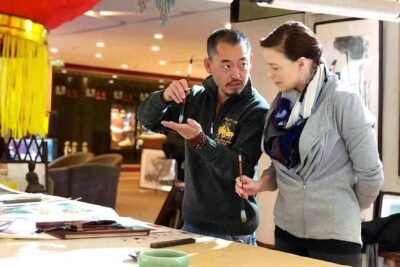
Beijing Wangfujing Calligraphy Class by Forbidden City
Read our review →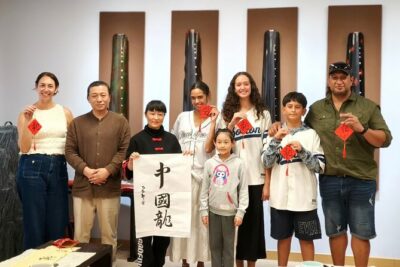
Beijing Culture: Tea Ceremony, Heritage Instrument & Calligraphy
Read our review →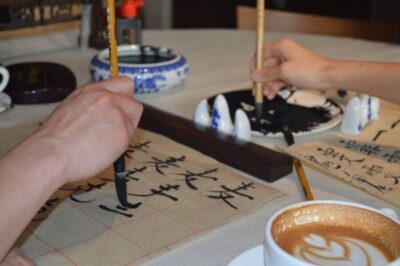
Beijing Wangfujing Calligraphy Class Nearby Forbidden City
Read our review →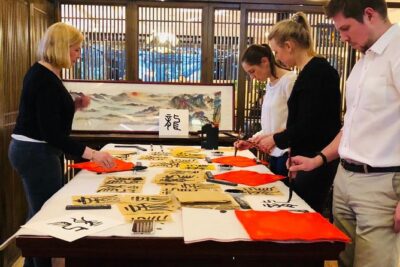
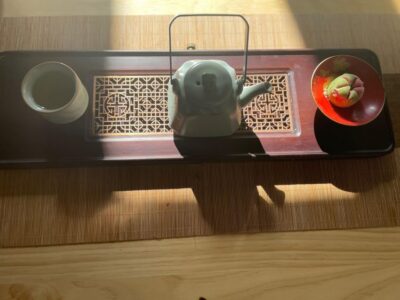
Chinese Tea ceremony in Beijing Hutong courtyard
Read our review →Browse the lists this tour appears in