
Reviewed · TEA CEREMONY AND CALLIGRAPHY WORKSHOPS
3-hour Morning/Afternoon Tea Tasting on Maliandao Street & Dimsum
Maliandao Tea Street gives this outing its real flavor: you are not just sipping tea in a hotel lounge, but walking through Beijing’s largest tea-trading area before sitting down to a generous dim sum meal. I especially like the eight-tea tasting and the chance to compare green, oolong, black, pu-erh, and white teas in their natural setting.
I also like the easy three-hour format, with a morning or afternoon departure and a subway meeting point. Guide Renny is named in the tour details and is described as warm, friendly, and helpful. The main drawback is the meeting-point confusion: one detail says Wanzi Exit C, while another says Exit D. Confirm the exact exit before setting out.
Key points to know before booking
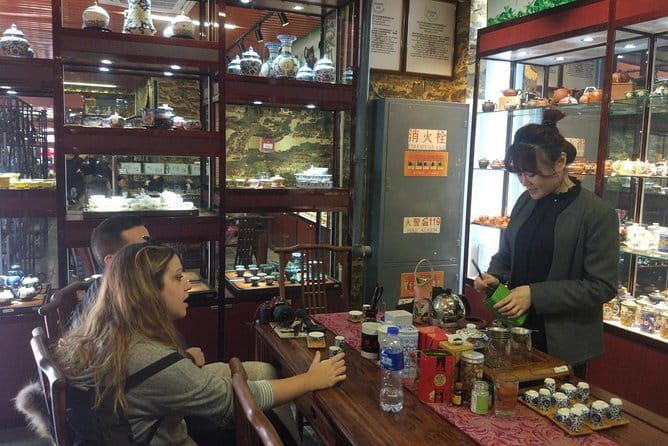
- Eight teas in two tea shops: You taste several major Chinese tea types, including green, oolong, black, pu-erh, and white tea.
- Maliandao is the setting: You visit Beijing’s largest tea-trading street rather than a stand-alone tourist tea room.
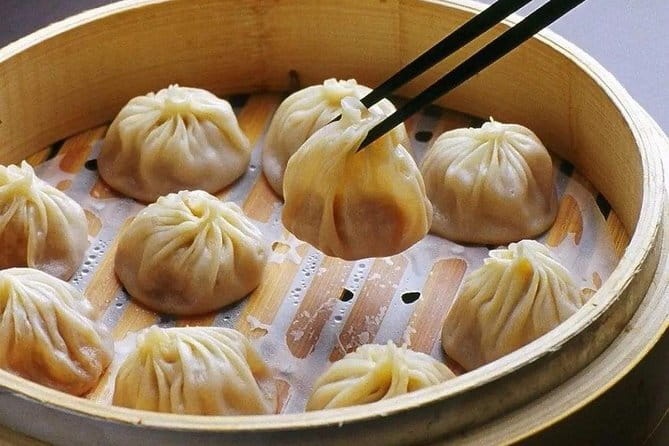
- Dim sum is included: Expect steamed soup buns, steamed vermicelli rolls, chicken feet, shrimp raviolis, spring rolls, and other dishes.
- Three hours, morning or afternoon: Choose a 10:00 a.m. or 3:00 p.m. start, depending on your plans.
- Small-group format: The maximum listed group size is 15, with the detailed schedule describing a group of eight or fewer.
- Subway access is simple: The meeting point is at Wanzi Station on Line 7, but confirm whether your guide will use Exit C or Exit D.
Why Maliandao Tea Street makes this more than a tasting
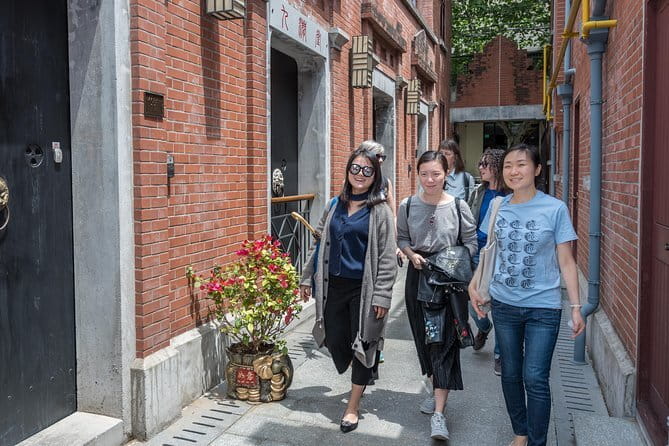
Maliandao Tea Street is the reason to choose this experience over a standard tea demonstration. The area is known as Beijing’s largest tea-trading street and market, with merchants handling tea from across China and serving buyers from many parts of the world.
That setting gives you useful context. Tea is not treated only as a refined drink for ceremonies. It is also a major trade, a household staple, and a product sold by region, style, age, and quality. You get to see that commercial side before settling in for a more careful tasting.
The walk is part of the experience, not simply transportation between two indoor stops. You stroll through the tea market and visit two different shops. The shops selected for the tour are described as having tea from genuine tea farms, which makes the tasting more meaningful than sampling anonymous tea with no clear source.
Still, keep your expectations sensible. This is a short introduction to the district, not a full market tour or a specialist tea-buying lesson. You will have about three hours for the whole outing, including the meal, so the time spent walking and tasting will be focused.
More tea ceremony and calligraphy workshops in Beijing:
- Beijing Calligraphy Class
★ 4.9 · 112 reviews - Chinese Calligraphy Class for Small Group
★ 5.0 · 104 reviews - Traditional Chinese Tea Ceremony Experience
★ 4.7 · 74 reviews
Comparing eight Chinese teas in one sitting
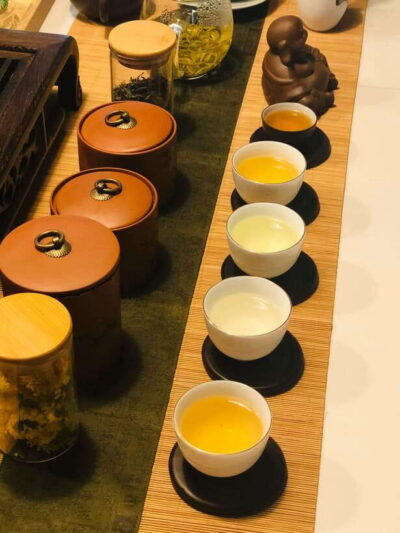
The tea portion includes eight different kinds of tea. The supplied details specifically name green, oolong, black, pu-erh, and white tea, along with other varieties. That range lets you compare broad styles instead of drinking several near-identical cups.
A tea ceremony is included, so you can expect the preparation and serving to be part of the lesson. The value is not only in the amount of tea you taste. It is in seeing how the leaves are handled, how the drink is presented, and how different teas can be judged side by side.
If you know little about Chinese tea, this format should give you a useful starting point. Green tea, oolong, black tea, pu-erh, and white tea can differ in color, body, aroma, and aftertaste. Tasting them during one organized session makes those differences easier to notice than buying one cup at a time around the city.
You should also treat the ceremony as a cultural demonstration, not a formal class with a certificate or advanced instruction. The tour promises tasting and a ceremony, but it does not list detailed lessons about brewing temperature, harvest dates, tea grades, or buying techniques.
That is not a serious flaw for most people. If your goal is to understand the basic range of Chinese tea and enjoy a calm tasting, the format fits. If you already collect pu-erh or know the difference between many regional teas, you may find the introduction fairly simple.
The two tea shops and the value of a real market setting
Stopping at two shops gives you some comparison. A single shop could present one seller’s preferred teas and prices. Two locations at least give you a broader look at how tea is presented and sold in Maliandao.
The details say the shops used for the tour have tea from real tea farms. For you, that means the guide can connect the drink in your cup to its agricultural source, rather than treating tea as a generic product. The information does not name the farms or promise a visit to a plantation, so do not expect field views or a countryside excursion.
The market also creates a practical opportunity to ask questions. You can ask which teas are being served, what makes one style different from another, and how tea is normally enjoyed in China. The guide’s role matters here. Renny is specifically associated with the experience and described as warm, friendly, and helpful, which suits a tasting where questions are part of the fun.
Buying tea is not listed as part of the tour. Personal expenses are excluded, so any purchases you make will be your responsibility. You are free to enjoy the market without turning the outing into a shopping trip.
A dim sum meal with familiar and adventurous choices
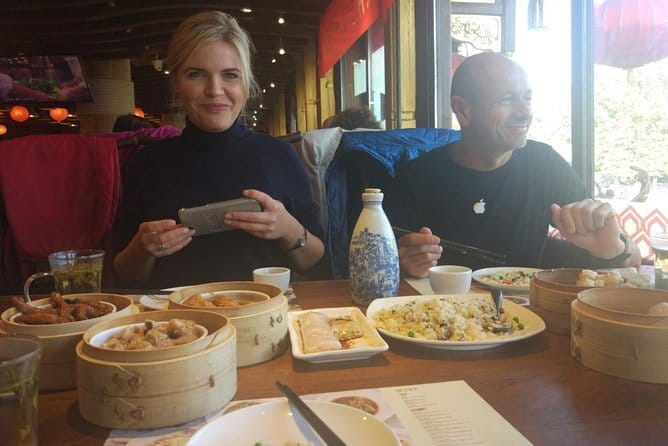
After tasting tea, you go to a nearby tea restaurant for dim sum. The included food is a substantial part of the tour, not a token snack. Listed dishes include steamed soup buns, steamed vermicelli rolls, chicken feet, shrimp raviolis, and spring rolls, with other items possible.
Steamed soup buns are a particularly useful introduction if you have not tried them before. Handle them carefully, since the filling includes hot broth. Steamed vermicelli rolls offer a softer texture, while shrimp raviolis and spring rolls provide more familiar entry points.
Chicken feet are the boldest item on the list. They are a common dim sum dish, but the texture can surprise first-time diners. If you are curious about Chinese food beyond the safest choices, this is a chance to try something traditional. If not, the meal includes enough other dishes to give you alternatives.
The portion and menu can vary, and the details do not specify a fixed number of each dish or a set menu. You should see the meal as shared dim sum rather than ordering a private plate of everything listed. That is normal for this kind of meal and lets you sample several dishes in a short period.
A vegetarian option is available if you request it when booking. That is important, since the listed dishes include meat and seafood. The supplied information does not describe the exact vegetarian menu, so make the request in advance rather than hoping to arrange it at the table.
More food and drink tours in Beijing:
- Beijing Hutong Walking Food and Beer Tour at Hidden Restaurants
★ 5.0 · 1,132 reviews - Beijing: Hidden Gems Guided Food Tour with Beer and Tastings
★ 4.9 · 306 reviews - Beijing Private Hutong Food Walking Tour
★ 5.0 · 299 reviews - Beijing Hutong Breakfast Food Tour
★ 5.0 · 155 reviews
Morning or afternoon: choosing the better time
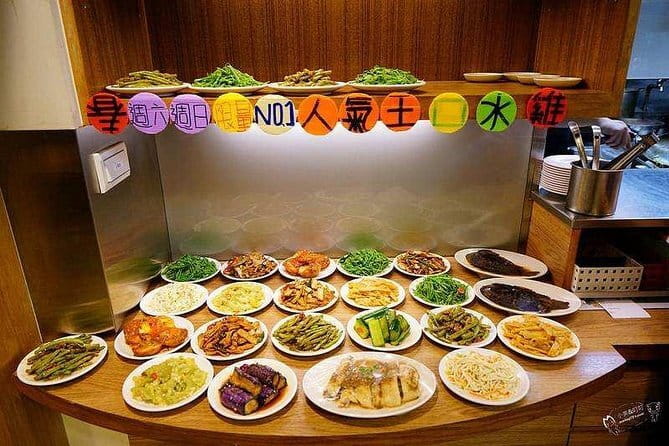
You can book the outing at 10:00 a.m. or 3:00 p.m. The morning departure pairs naturally with lunch. The afternoon departure is better if you want a slower start or have morning sightseeing plans, and it leads into a later meal.
The total duration is about three hours. That is long enough for the tea market, two tastings, the ceremony, and dim sum without consuming an entire day. I see this as a good fit for a packed Beijing schedule, especially if you want a food experience without giving up a full afternoon of sightseeing.
The timing also makes the tour easy to place before or after other plans. The activity begins and ends near the same subway meeting point, according to the details provided. At the end, the guide can send you back to the station or help you get a taxi.
Do not plan this as a rushed stop between distant attractions. You need time to meet the group, walk through the market, taste eight teas, eat, and return to the station. The three-hour estimate is practical, but you should leave extra space if you have a fixed appointment afterward.
Meeting at Wanzi Station on Line 7
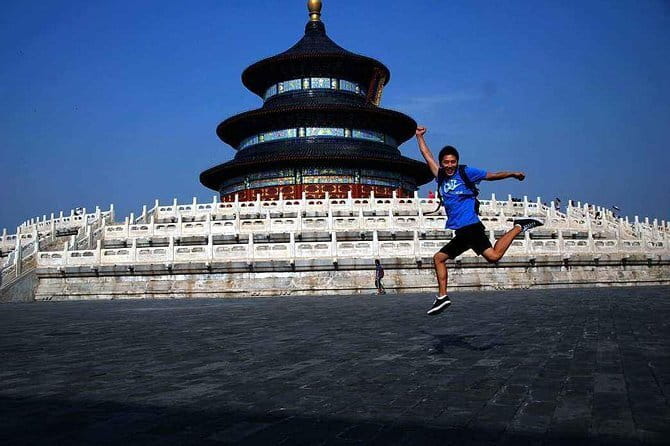
The meeting point is designed to be straightforward: Wanzi Subway Station on Line 7. Public transportation is nearby, and the activity both starts and ends in the Beijing area listed for the tour.
There is one detail you should settle before the day begins. The overview gives Wanzi Exit C, while the detailed schedule gives Exit D. These exits may be close, but you should not guess, especially in a busy station or if you do not read Chinese signs easily.
Use the booking confirmation or contact the provider, Lily’s Tour Company, to confirm the correct exit and the guide’s appearance or contact details. That small check can prevent the most avoidable problem with this outing.
After the tour, you return to the meeting point. If you want to continue sightseeing, you can use the subway. If you are tired after the meal or carrying tea, the guide can help you get a taxi.
Group size and the feel of the outing

The maximum listed group size is 15 people, while the detailed schedule describes a group of eight or fewer. Either way, this is not a private tour, but it is smaller than a large coach excursion.
A small group helps at the tea shops. You can see the preparation more easily, hear the guide, and ask questions without trying to catch a speech across a crowded room. It also makes a shared meal less awkward, since dim sum works best when dishes can be passed around.
The group size can affect the pace. With more people, the tea tasting and restaurant seating may take longer. The tour is capped at 15, so you have some protection against a very large crowd, but the exact number for your date is not specified.
Children can join, but the child rate applies only when sharing with two paying adults. Most people can participate, and the experience is near public transportation. No special physical requirements are listed, though you should be comfortable walking through the market and moving between the station, shops, and restaurant.
Is $99 a fair price?
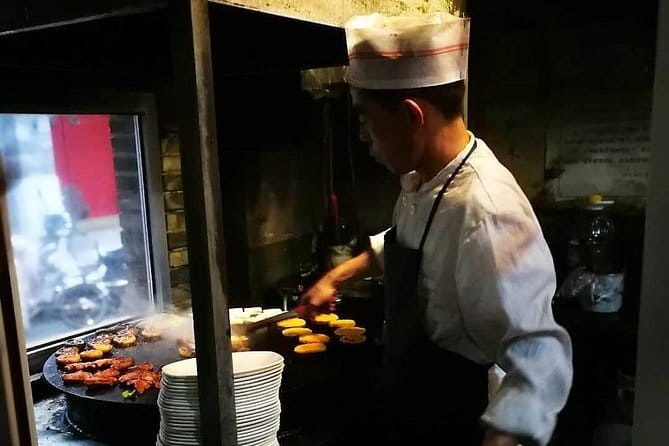
At $99 per person, this is not a bargain if you are judging it only by the cost of food and tea. You could likely drink tea or eat dim sum for less on your own. The price makes more sense when you count the guide, the tea ceremony, the organized visits to two shops, eight tastings, the included meal, and the convenience of a planned three-hour route.
The strongest value is the introduction. You do not have to research Maliandao, choose a reputable tea shop, work out what to order, or manage a dim sum menu without help. You also get a guide who can connect the tea market and the meal into one experience.
The value is weaker for someone who already knows Maliandao, speaks Chinese comfortably, and feels happy ordering tea and dim sum independently. You are paying for structure and guidance, not simply ingredients.
Group discounts may be available, which could improve the price for a family or party. Personal spending is not included, so set aside extra money if you intend to buy tea or cover anything beyond the included food and tasting.
Who should book this Beijing food tour?
I would point this experience toward first-time Beijing visitors who want local food without spending a full day on a complicated excursion. It also suits people who enjoy trying unfamiliar dishes, especially anyone curious about Chinese tea and dim sum in the same outing.
It works well for couples, families with eligible children, and small groups of friends. The vegetarian option helps, but you must request it at booking. The format may also appeal to solo visitors who prefer a guide and a small shared group instead of navigating the tea market alone.
You may want to skip it if you want a private food tour, a long specialist lesson about tea, or a detailed culinary class. The experience is an introduction, with tasting and sightseeing rather than advanced training.
The provider offers free cancellation if you cancel at least 24 hours before the start time. Changes or cancellations inside that period are not accepted for a refund, so check the local time and your plans before committing.
My verdict on the Maliandao tea and dim sum experience
Book this tour if you want a compact, guided look at two of Beijing’s favorite food traditions. The combination works: the tea market gives you place and context, while the dim sum meal gives you something filling and social to enjoy afterward.
The best parts are the eight-tea comparison, the two tea-shop visits, and the chance to try dishes such as soup buns, rice rolls, shrimp raviolis, and chicken feet in one meal. Just confirm the Wanzi exit, request vegetarian food in advance if needed, and understand that the tour is a broad introduction rather than an expert tea course.
FAQ
How long does the tea and dim sum tour last?
The experience lasts about three hours.
Can I choose a morning or afternoon departure?
Yes. The available start times are listed as 10:00 a.m. and 3:00 p.m.
Where does the tour meet?
The meeting point is Wanzi Subway Station on Line 7 in Beijing. The supplied details mention both Exit C and Exit D, so confirm the correct exit before the tour.
Where does the tour finish?
The activity ends back at the meeting point. The guide can send you to the subway station or help you get a taxi.
How many teas will I taste?
The tour includes tastings of eight different kinds of tea.
What types of tea are included?
The listed types include green tea, oolong tea, black tea, pu-erh tea, and white tea, along with other varieties.
What food is included?
The dim sum meal can include steamed soup buns, steamed vermicelli rolls, chicken feet, shrimp raviolis, spring rolls, and other dishes.
Is a vegetarian meal available?
Yes. A vegetarian option is available, but you must advise the provider when booking.
More three-hour experiences in Beijing
- 3-Hour Private Night Tour: Beijing Foodie Experience
★ 5.0 · 53 reviews - 3-Hour Private Tour: Amazing Beijing City Highlights
★ 5.0 · 5 reviews - 3-Hour Private Beijing Night Tour
★ 5.0 · 4 reviews - Beijing: Summer Palace 3 Hours Guided Tour with Entry Ticket
★ 4.8 · 4 reviews
More early starts in Beijing
- Morning Bus Transfer to Mutianyu Great Wall + Entry Ticket
★ 4.5 · 26 reviews - camp on the Great Wall overnight with sunrise and sunset on the wall
★ 5.0 · 11 reviews
Just added around Beijing
- Xian: Must see Eternal Love or Camel Bell Legend show Ticket★ 5.0 · 3 reviews
- 2-Day Beijing Must-See Tour:4 UNESCO Sites+Tian’anmen&Hutong★ 5.0 · 4 reviews
- Beijing: 2-Day private Tour with Great wall& Forbidden city★ 5.0 · 5 reviews
- Xian: Bus Tour of Terracotta Warriors With Guide & Lunch★ 4.2 · 5 reviews
- Private Transfer to Mutianyu Great Wall with professional driver★ 5.0 · 19 reviews
- Twilight Glow at Badaling Great Wall Evening Bus Tour+Ticket★ 4.9 · 11 reviews
- Yuxiandu Chinese Royal Cuisine Museum with Show and Royal Banquet★ 5.0 · 4 reviews
- ZANBUS: Trip to the Jinshanling Great Wall Departing at 7:30 AM★ 5.0 · 5 reviews
Tea Ceremony and Calligraphy Workshops, compared.
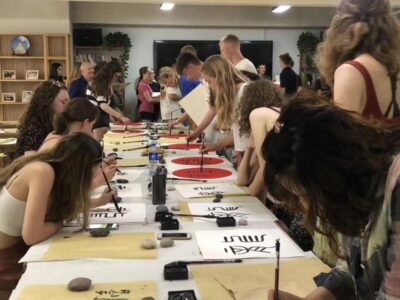
Beijing Historic City Guided Walking Tour + Calligraphy Creation
Read our review →
Beijing Wangfujing Calligraphy Class by Forbidden City
Read our review →
Beijing Culture: Tea Ceremony, Heritage Instrument & Calligraphy
Read our review →
Beijing Wangfujing Calligraphy Class Nearby Forbidden City
Read our review →
Browse the lists this tour appears in