
Reviewed · TEA CEREMONY AND CALLIGRAPHY WORKSHOPS
Beijing liulichang : Learn Calligraphy orCarving from Master
Liulichang is one of Beijing’s best places to turn cultural sightseeing into something you actually make. After a short walk through the old art district, you enter a quiet workshop, choose calligraphy, fan painting, or seal carving, and work with an artisan on a souvenir that carries your own hand.
I like the personal choice at the heart of the class. I also like the patient teaching, especially the seal-carving practice on spare stones before you touch the final block. The main consideration is that transportation to Liulichang is not included, and the advertised format centers on one selected art form.
Key points at a glance
- Three ways to create: Practice brush calligraphy, paint a silk round fan, or carve a personal Chinese name seal.
- A short Liulichang introduction: Meet at the east street entrance before heading into the studio.
- Patient instruction: Beginners can practice first, with guidance in English and Chinese.
- A useful souvenir: Take home your finished work rather than another shop-bought trinket.
- Small-group setting: Private and small-group options allow more time with the artisan.
- Good value for creative travelers: The two to two and a half hour session costs $75 per person and includes materials.
Starting at Liulichang East Street
Your meeting point is the small square at the entrance to Liulichang East Street. Look for the guide holding a Sino-Voyages sign.
This matters because Liulichang is part of the experience, not just a pin on the map. The district is known for its traditional arts and old Beijing atmosphere. You begin with a brief walk through the area, hearing stories about its culture and getting a feel for the setting before entering the studio.
That opening walk also helps you find the right place without guessing which doorway belongs to the workshop. The activity does not include transportation, so plan your route to Liulichang in advance. The meeting instructions are clear, but you still need to get yourself to the east street entrance.
I like this arrangement. A class in a modern shopping center would be easier to overlook. Here, the art lesson begins in one of Beijing’s traditional cultural quarters, which gives the handmade work a stronger sense of place.
More tea ceremony and calligraphy workshops in Beijing:
- Beijing Calligraphy Class
★ 4.9 · 112 reviews - Chinese Calligraphy Class for Small Group
★ 5.0 · 104 reviews - Traditional Chinese Tea Ceremony Experience
★ 4.7 · 74 reviews
Choosing between ink, silk, and stone
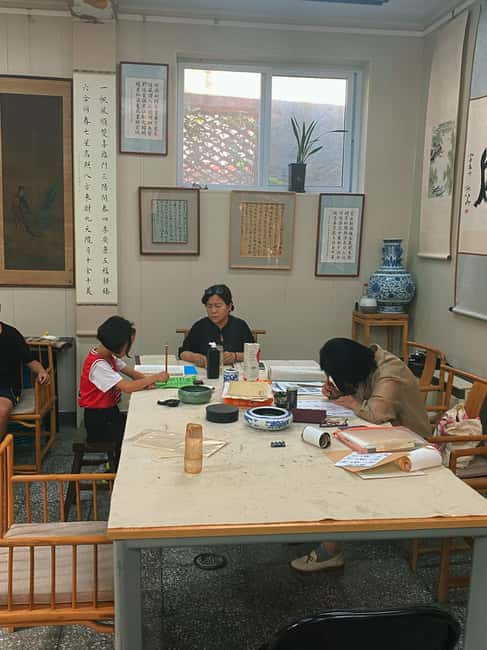
Once inside, you select one of three creative paths. The choice is important because each option gives you a different kind of souvenir and a different pace of work.
Calligraphy: slow brushwork on rice paper
Calligraphy is the most direct introduction to Chinese brush art. You learn how to control the brush, place the ink, and form a meaningful Chinese proverb or your own name on rice paper.
This is not simply writing your name with a souvenir brush. The appeal lies in the concentration required for each stroke. A brush can produce a bold line, a fine line, or a blot of ink, depending on pressure and speed. For a first-time student, the lesson gives you a chance to understand why Chinese calligraphy is treated as an art rather than ordinary handwriting.
The class can also help you prepare for seal carving. One participant who chose carving had the chance to practice calligraphy first, using the characters that would later appear on the stone. That is a useful detail if you want a name seal but are unsure how to choose or write the characters.
Your finished piece is light and easy to pack. Rice paper also gives you a personal record of the lesson, even if your first brushstrokes are not perfectly balanced. In this kind of class, the handmade quality is the point.
Fan painting: a practical work of art
The fan-painting option takes place on a delicate silk round fan. You choose a classic subject such as bamboo or orchids, then paint your own design under instruction.
This is likely the most decorative choice of the three. The fan is both a keepsake and a functional object, so it has more presence than a flat sheet of paper. It also gives you a chance to work with traditional motifs without needing to design an entirely original picture from nothing.
The fan is delicate, so you should expect the work to require care. The activity description does not promise a long painting course or a set number of finished motifs. Think of this as a guided introduction, not professional studio training.
I would choose fan painting if you want a colorful object for your home or a gift with a clear Chinese visual connection. It is also a good option for anyone who finds the strict control of calligraphy less appealing.
A completely different kind of day in Beijing:
- From Beijing: Mutianyu Great Wall Tours with Options
★ 4.9 · 9,216 reviews - Beijing: Forbidden City Tour(Group/Private)-Tickets Included
★ 4.8 · 7,974 reviews - Beijing: T-Square & Forbidden City Group or Private Tour
★ 4.8 · 4,446 reviews - All-Inclusive Tour: Tiananmen Square, Forbidden City, Great Wall
★ 5.0 · 2,873 reviews
Seal carving: the most distinctive choice
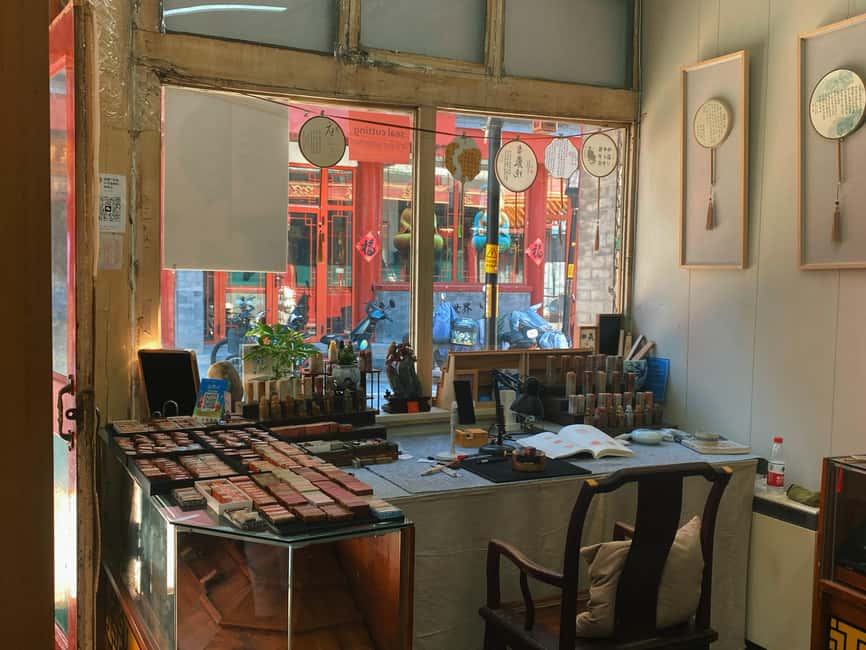
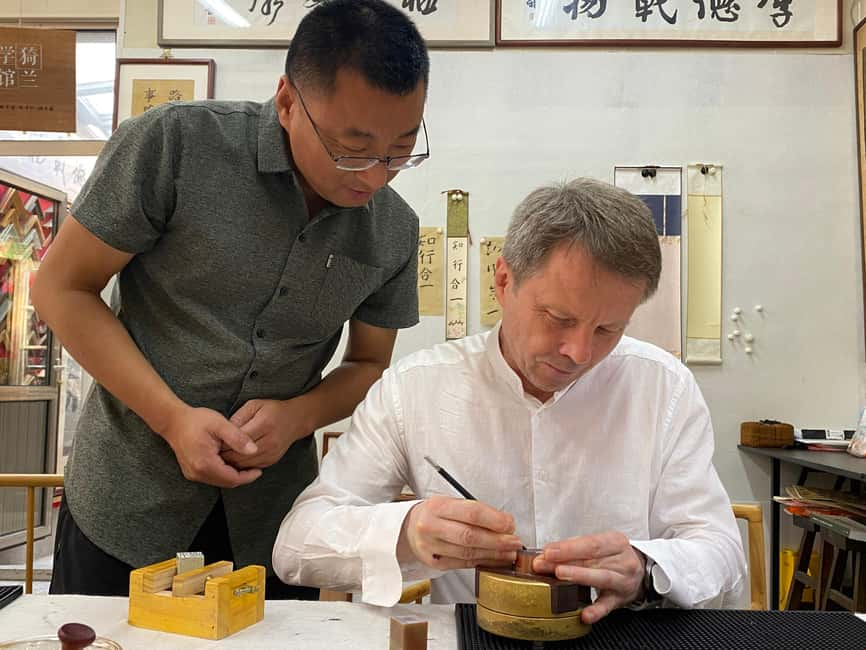
Seal carving offers the most unusual souvenir. You create a Chinese name chop, a traditional stamp used as a personal signature.
The process begins with guidance on the characters and practice on other stones. This rehearsal is one of the most useful parts of the activity. It gives you time to understand the tools and the feel of the material before you begin carving the final stone.
The need for practice also tells you something important: seal carving is not a quick stamp-making exercise. You are handling a real carving tool, and small errors can affect the finished characters. The artisan’s supervision helps keep the task manageable for a beginner.
A participant from Norway, Guro, chose seal making and worked with a master supported by three interpreters. That detail suggests that communication support can be especially helpful during the carving process. Guro also had time to practice calligraphy, which helped with the characters destined for the stone.
I would pick this option if you want the most personal and traditional object. A name chop is small, easy to carry, and tied to your identity rather than simply displaying a standard Beijing image. It also gives you a story to tell when you use it or show it at home.
What the two to two and a half hours feel like
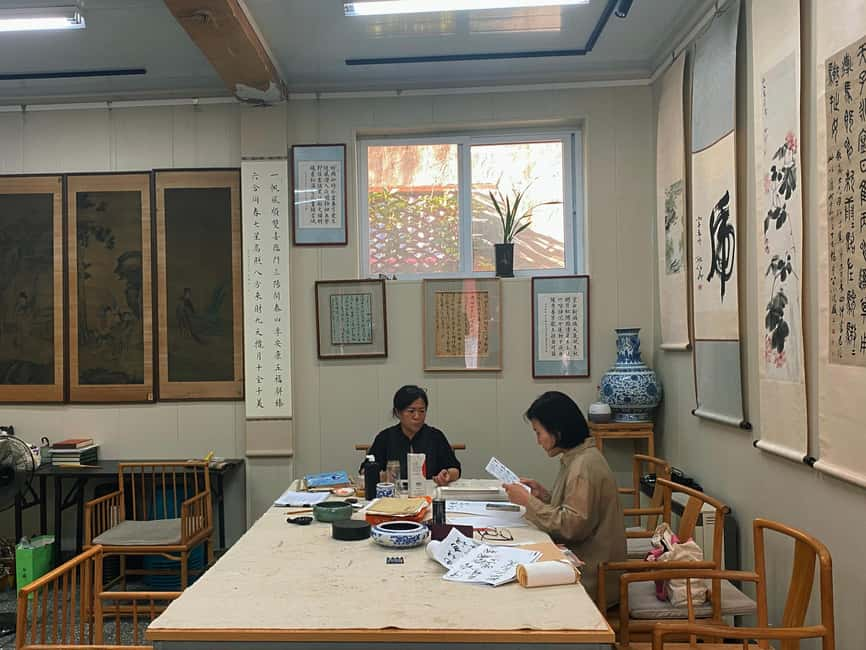
The timing allows for more than a rushed demonstration but less than a full art course. You begin with the Liulichang walk, then spend the main part of the session in the studio.
The exact balance depends on your chosen activity and the pace of your group. Calligraphy may involve repeated brush practice. Fan painting requires time to create the design on silk. Seal carving needs extra care because you practice before working on the final stone.
The workshop is designed for beginners. You do not need previous experience, and curiosity is encouraged. That does not mean every finished piece will look like a master’s work. It means the artisan’s role is to show you how to begin, correct your technique, and help you complete something of your own.
I appreciate that approach. A class can be less enjoyable when the instructor rushes to produce a perfect souvenir for you. Here, the point is to make the piece yourself, with expert help when your hand or brush needs direction.
Meeting Bruce Gao and the teaching team
The activity is provided by Sino-Voyages, with instruction available in English and Chinese. Bruce Gao is named in the feedback, and one participant specifically thanked Bruce and his friend for being patient and encouraging.
That patience matters in an art class. Calligraphy has unfamiliar brush movements. Seal carving requires careful hand control. Fan painting puts you on a delicate surface. A brisk demonstration followed by little help would make these tasks frustrating, especially for someone trying them for the first time.
The teaching team may also include interpreters or additional support. During one seal-carving session, three interpreters helped the participant communicate with the master. The precise arrangement may vary, but the experience is set up to provide personal assistance rather than leave you alone with the materials.
The instructors are described as helpful and supportive, which matches the needs of this format. You are not signing up for a lecture. You are signing up for repeated attempts, questions, and corrections at your own worktable.
Why the small-group format matters
Private and small-group options are available. This is a strong advantage for an activity based on handwork.
In a large class, a teacher may demonstrate once and then move from table to table with little time for each person. A smaller group makes it easier to ask how to hold the brush, adjust a line, position the carving tool, or select suitable characters.
It also makes the experience more social without turning it into a noisy group show. You can compare your fan designs or calligraphy practice, then return to your own work. If you book a private session, you have more control over the pace and the amount of attention.
The setting is described as tranquil and away from crowds. That does not mean the surrounding Liulichang district will be empty, but the studio offers a calmer place to concentrate after the street walk.
Is $75 a fair price?
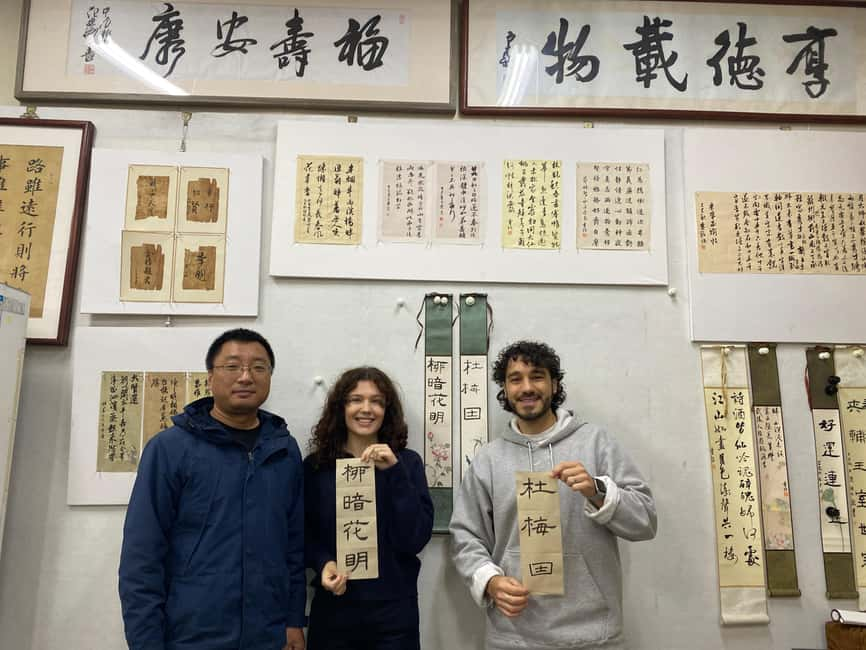
At $75 per person, this is not the cheapest way to spend two hours in Beijing. You are paying more than you would for a simple museum visit or a quick souvenir purchase.
The value comes from what the fee includes: one complete hands-on workshop, materials, an expert artisan, cultural background, and a finished artwork to take home. You are also paying for the time and tools needed to practice safely and receive help.
The price makes the most sense if you care about the process, not only the object. A fan, sheet of calligraphy, or name seal bought in a shop may cost less. It will not carry the same memory of learning the strokes or carving the characters yourself.
I would consider the price reasonable for a special activity during a Beijing trip, particularly if you have already seen the major sights and want something quieter. It is less compelling if you are looking for a quick photo stop or a large number of attractions in one afternoon.
Who will enjoy this most
I recommend this experience to adults, couples, families with older children, and solo visitors who like making things with their hands. It suits people who want a cultural activity with a clear result rather than a lecture about art.
Calligraphy is a good choice for quiet concentration. Fan painting fits anyone who wants a decorative object and a little freedom with color and design. Seal carving is best for people who enjoy careful work and want a souvenir linked to their own name.
Children under five are not suitable for the activity. The tools, materials, and need for patient attention make that restriction sensible. Older children may enjoy it, but the provided information does not specify a minimum age beyond the under-five limit.
The activity is wheelchair accessible, which is useful for visitors who need a more manageable cultural stop. Since transportation is not included, you should still confirm your route to the meeting point and consider the practical needs of your party.
A few practical choices before you book
Choose your art form before arrival if you already know what appeals to you. That will help you use the studio time well, especially if you want seal carving and need time for practice.
If you are undecided, think about the souvenir you would actually display or use:
- Calligraphy gives you a personal piece on rice paper.
- Fan painting gives you a decorative silk object.
- Seal carving gives you a traditional name chop with a practical use.
Wear clothing you can work comfortably in, though no special equipment is required. All high-quality materials are provided for the selected activity.
Allow two to two and a half hours, and do not schedule a major attraction immediately afterward if you dislike watching the clock. The session includes both the Liulichang introduction and the workshop, so the activity is more than a short craft demonstration.
You can cancel up to 24 hours in advance for a full refund, and the reserve-now, pay-later option keeps your plans flexible. Starting times vary, so check availability before choosing the rest of your day.
The final souvenir is part of the lesson
The strongest feature here is not simply that you go home with something made in China. It is that the souvenir records a small act of attention.
A brushstroke, a painted bamboo branch, or a carved character may show the marks of a beginner. That is exactly why it has value. You did not pick it from a shelf. You learned enough to make it, with an artisan helping you through the difficult parts.
I especially like the seal-carving option for this reason. The practice stones, calligraphy preparation, and final carving create a clear sequence. You can see how the finished object came from your own work rather than appearing by magic at the end of a demonstration.
The calligraphy and fan options offer the same basic reward in different forms. You leave with a handmade object and a better sense of the control, patience, and tradition behind it.
Should you book this Liulichang workshop?
Book it if you want a calm, personal cultural activity and enjoy the idea of making your own souvenir. The patient instruction, small-group format, choice of three art forms, and authentic workshop setting give the session more substance than a standard craft stop.
I would choose seal carving for the most memorable object, calligraphy for a focused and traditional lesson, and fan painting for a decorative keepsake. The main drawbacks are the $75 price and the need to arrange your own transportation.
For a first visit to Beijing, this should supplement, not replace, the city’s major sights. But after a morning of palaces and monuments, two hours in Liulichang with a brush, fan, or carving stone can give you a more personal connection to Chinese art.
FAQ
How long does the Liulichang workshop last?
The activity lasts approximately two to two and a half hours, including a brief introduction to Liulichang and the hands-on workshop.
Where is the meeting point?
Meet at the small square entrance of Liulichang East Street. The guide will hold a sign that says Sino-Voyages.
Which art forms can I choose from?
You can choose one workshop: Chinese calligraphy, painting on a silk round fan, or seal carving.
Are materials included?
Yes. High-quality materials for your selected activity are included, along with guidance from an expert artisan and your finished handmade artwork.
Do I need previous experience?
No. The workshop is suitable for beginners, and no prior experience is required.
Is the activity available in English?
Yes. Instruction is available in English and Chinese.
Is transportation included?
No. You are responsible for getting to the Liulichang meeting point.
Can I cancel my booking?
Yes. You can cancel up to 24 hours in advance for a full refund. A reserve-now, pay-later option is also available.
Is the workshop wheelchair accessible?
Yes, the activity is wheelchair accessible.
Are young children allowed?
Children under five are not suitable for this activity.
Just added around Beijing
- Xian: Must see Eternal Love or Camel Bell Legend show Ticket★ 5.0 · 3 reviews
- 2-Day Beijing Must-See Tour:4 UNESCO Sites+Tian’anmen&Hutong★ 5.0 · 4 reviews
- Beijing: 2-Day private Tour with Great wall& Forbidden city★ 5.0 · 5 reviews
- Xian: Bus Tour of Terracotta Warriors With Guide & Lunch★ 4.2 · 5 reviews
- Private Transfer to Mutianyu Great Wall with professional driver★ 5.0 · 19 reviews
- Twilight Glow at Badaling Great Wall Evening Bus Tour+Ticket★ 4.9 · 11 reviews
- Yuxiandu Chinese Royal Cuisine Museum with Show and Royal Banquet★ 5.0 · 4 reviews
- ZANBUS: Trip to the Jinshanling Great Wall Departing at 7:30 AM★ 5.0 · 5 reviews
Tea Ceremony and Calligraphy Workshops, compared.
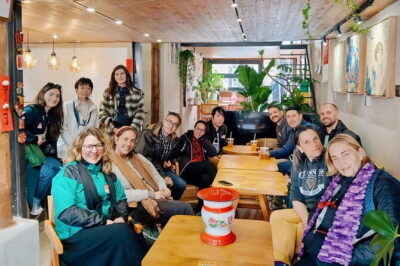
Beijing Historic City Guided Walking Tour + Calligraphy Creation
Read our review →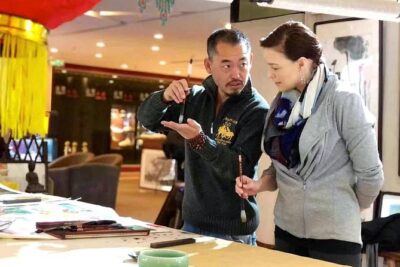
Beijing Wangfujing Calligraphy Class by Forbidden City
Read our review →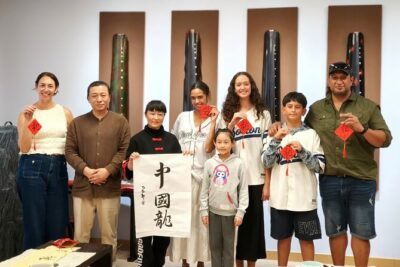
Beijing Culture: Tea Ceremony, Heritage Instrument & Calligraphy
Read our review →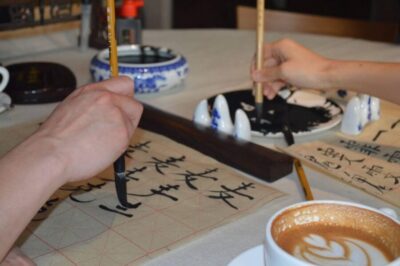
Beijing Wangfujing Calligraphy Class Nearby Forbidden City
Read our review →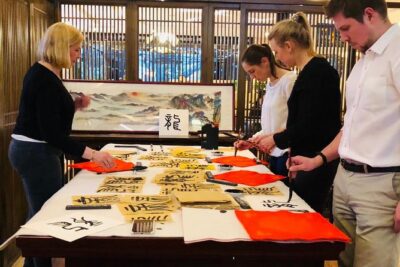
Browse the lists this tour appears in