
Reviewed · TEA CEREMONY AND CALLIGRAPHY WORKSHOPS
Chinese Calligraphy Class for Small Group
The most rewarding part of this Beijing activity is that you do not just copy Chinese characters. You learn how posture, brush pressure, and calm breathing shape every stroke, then take home a finished piece of your own. It is a hands-on cultural lesson rather than another quick photo stop.
I like the small-group format, which gives the teacher time to correct your grip and guide beginners. I also like the choice of class lengths, from 30 minutes to two hours, plus the chance to make a personal souvenir near Wangfujing.
The main thing to consider is time. Thirty minutes can feel rushed, especially if you are starting from zero. The meeting point can also be slightly hard to spot, so read the directions carefully and use the building numbers.
Key points at a glance
- Meet near Wangfujing: The class begins in the lobby of Hilton Beijing Wangfujing, with the session taking place in a nearby hutong arts setting.
- Choose your class length: Options include 30 minutes, 45 minutes, one hour, 1.5 hours, and two hours.
- Start with calm and posture: The lesson includes a standing exercise, correct sitting or standing posture, brush handling, and basic strokes.
- Learn from named instructors: Richard, David, and Robert Lee have all led sessions described in the available feedback.
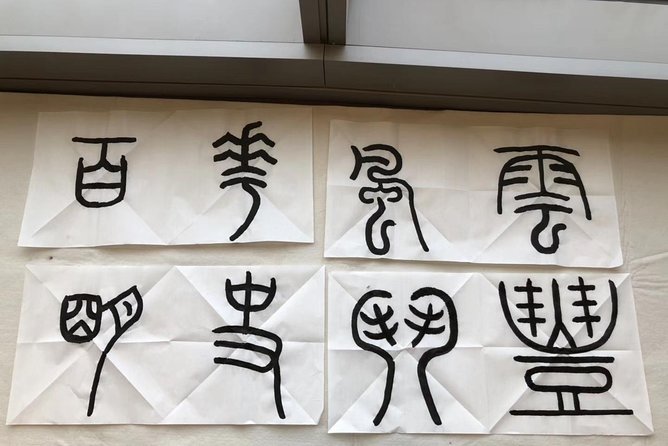
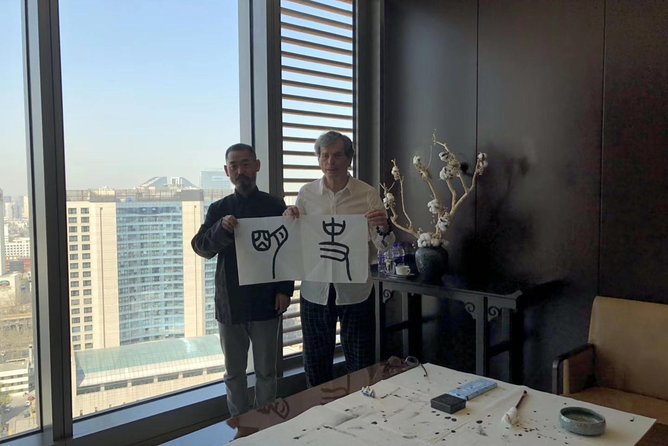
- Take home a finished work: You practice first, then create a final calligraphy piece on paper or a red hanging ornament or canvas-style surface.
- Best value is likely one hour or longer: That gives you time to learn, practice, and produce something worth keeping.
Why calligraphy makes a good Beijing break
Beijing can fill your day with imperial buildings, crowded streets, and long walks. A calligraphy lesson gives you a quieter hour and lets you participate in an art form instead of only looking at it behind glass.
Chinese calligraphy is not simply handwriting with a fancy brush. The position of your hand, the angle of the brush, the amount of ink, and the speed of each movement all affect the result. Even a simple character asks you to slow down and pay attention.
That makes this class useful for families and first-time visitors. You do not need previous art training. The teacher begins with basic brush use and simple strokes, then helps you build toward a finished character or phrase.
The session also introduces ideas connected with Yin-yang theory and inner calm. The standing exercise may sound unusual if you expect an art lesson to begin at the table, but it sets the tone. You are asked to settle yourself before trying to control the brush.
I like this combination of practical skill and cultural context. You learn enough to understand why the art matters, but the lesson remains active and approachable.
More tea ceremony and calligraphy workshops in Beijing:
- Beijing Calligraphy Class
★ 4.9 · 112 reviews - Traditional Chinese Tea Ceremony Experience
★ 4.7 · 74 reviews - Beijing Historic City Guided Walking Tour + Calligraphy Creation
★ 5.0 · 59 reviews
Finding the class near Hilton Beijing Wangfujing
Your meeting point is the lobby of Hilton Beijing Wangfujing, at 8 Wangfujing East Street in Dongcheng District. The activity ends back at the meeting point.
The lobby is a useful place to begin because it is recognizable and close to public transportation. Your teacher is scheduled to meet you there, and some participants have received extra help finding the entrance.
There is one practical warning. The location directions may take you to the correct road without making the exact doorway obvious. The class is described as being in an arts centre, with an entrance shared with a mixed martial arts club and restaurants on either side. Pay attention to the building numbers rather than relying only on a map pin.
If you are running late from another Beijing attraction, contact the provider as soon as possible. One account describes a teacher staying late after a delayed return from the Great Wall, but you should not assume that extra time will always be available.
The opening exercise: slowing down before the brush
The lesson begins with a standing exercise intended to help you settle your mind and leave behind the hurried pace of sightseeing. This is linked to the class’s broader theme of finding inner peace through Chinese ideas about balance.
You may appreciate this if you want a calm cultural activity. It also gives the teacher a chance to explain that calligraphy is tied to the whole body, not just the fingers.
Do not expect a long meditation session. The exercise is one step in a short practical class. The focus soon shifts to the mechanics of writing.
For children, this opening can be a useful change of pace, though younger children may need help staying focused. Children must be accompanied by an adult.
Brush posture and the first strokes
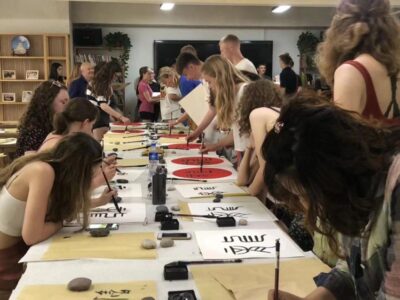
Next, the teacher explains how to hold the brush and how to position your body. You learn the basic strokes before attempting a complete character.
This part matters more than it may sound. A beginner often presses too hard, grips the brush too tightly, or moves from the wrist alone. Small corrections can change a shaky mark into a cleaner line. In a small class, the instructor has a better chance of noticing those habits.
The teaching style appears warm and patient. Richard is described as giving close guidance and using practice challenges to keep the class moving. David is described as attentive and helpful with both calligraphy and Chinese culture. Robert Lee has also led a session for couples.
The names matter because this is not an anonymous demonstration. Your experience depends in part on the instructor scheduled for your time, but the available accounts consistently describe patient, personal teaching.
You will use the supplied calligraphy materials during the class. The listing does not specify every item, so do not expect a particular type of paper, ink, or brush beyond the included working supplies.
More hands-on classes in Beijing:
- Beijing: Dumpling Making Workshop with Meal and Tea
★ 4.7 · 69 reviews - Online Cooking Class Beijing Dumplings and Cuisine by Sunflowerli Renowned Chef
★ 5.0 · 65 reviews - Beijing Wangfujing Calligraphy Class by Forbidden City
★ 5.0 · 58 reviews - Beijing Wangfujing Calligraphy Class Nearby Forbidden City
★ 5.0 · 56 reviews
Practice before the final piece
After the introduction, you practice several strokes and characters. This is where the class becomes more than a souvenir workshop.
You may produce uneven lines at first. That is normal. The teacher can help you adjust brush pressure and posture, and the small-group setting makes it easier to ask questions. Some sessions include practice challenges, which add a light sense of progress without turning the activity into a formal exam.
If you book only 30 minutes, much of your time may go to the introduction and basic practice. That can work if your schedule is tight and you mainly want a taste of calligraphy. It is less suitable if you want time to improve your technique or produce a polished final piece.
The one-hour option is a more sensible minimum for most people. One participant specifically advised choosing an hour because 30 minutes was not enough. Others extended their booking from 30 minutes to 1.5 hours because they were enjoying the lesson.
The longer options make sense for families, couples, and anyone who wants the process itself rather than only the finished object. At 1.5 or two hours, you have more room to repeat strokes, ask questions, and work on a final design without rushing.
Creating a souvenir you can actually keep
The final stage is the most tangible part of the experience. After practice, you create a finished calligraphy work to take home.
The exact format can vary. Descriptions include a canvas-style piece and large red hanging ornaments. Some participants created the Chinese character for happiness. The result is personal because you made it yourself, even if the teacher guided your hand and corrected your technique.
This is a better souvenir than a standard shop purchase if you value the story behind an object. You can remember the hotel lobby meeting point, the smell of ink, the struggle with the first strokes, and the satisfaction of producing one readable character.
Do keep your expectations sensible. You are not likely to leave as a trained calligrapher after one class. The value is in learning the basic principles and producing a meaningful first attempt.
Some sessions may also offer watercolor lessons, but watercolor is not part of the listed inclusions. Treat that as a possible extra rather than a guaranteed part of this booking.
Tea, conversation, and the cultural side
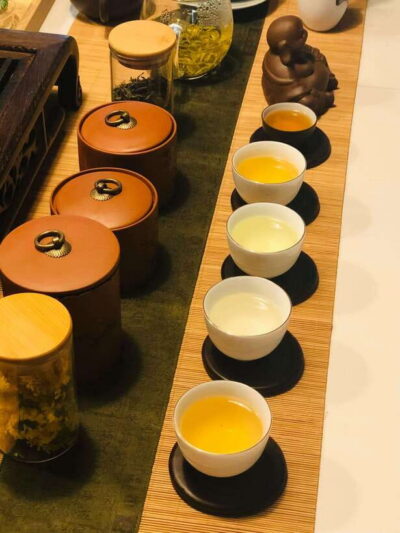
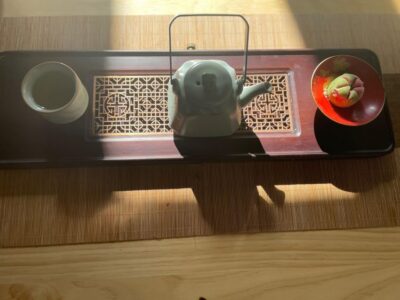
Tea has been offered during some sessions, and the class can include conversation about Chinese philosophy and culture. This adds a social element that many visitors will appreciate.
The teacher’s role is not limited to showing you how to make a stroke. You may hear explanations about happiness, balance, and the cultural meaning behind the characters you practice. That context helps you understand why calligraphy remains important in China.
The tone appears friendly and personal. Richard is described as serving tea, taking photographs, and creating practice challenges. If you want a quiet, formal studio lesson, the conversational style may feel more relaxed than expected. If you want to ask questions and learn through discussion, that is a strength.
Photography is also part of the experience for some participants. Do not treat it as a guaranteed professional photo service, but you can expect the teacher may take pictures during the class.
Group size, timing, and who will enjoy it
The maximum group size is 15 people. That is still small enough to allow personal help, though the amount of individual attention will depend on how many people attend your session.
Couples and families are a natural fit. Children can participate with an accompanying adult, and the activity gives families something to do together without requiring a long walk or advanced knowledge of Chinese history.
It also suits solo visitors who want a structured cultural activity near central Beijing. You will have a teacher, materials, and a clear task, so you do not need to arrive with artistic confidence.
I would be more cautious about booking this for someone who dislikes slow, repetitive practice. Calligraphy requires attention and a willingness to try the same stroke more than once. It is not a fast craft demonstration where you sit back and watch.
The class is offered in morning, afternoon, and evening time slots. That makes it easy to place around sightseeing, meals, or a shopping visit in the Wangfujing area.
Is $20 a good value?
At $20 per person, the short class is reasonably priced for central Beijing, particularly because calligraphy supplies are included and you finish with a personal piece. You are paying for instruction and participation, not just admission to a room.
The strongest value comes when you choose at least one hour. A 30-minute lesson may be enough for a quick introduction, but it leaves little time for practice. If the price difference between the short and longer options fits your budget, I would favor the one-hour session.
A 1.5-hour or two-hour class may be worthwhile if you are especially interested in Chinese art or want a more relaxed family activity. The extra time gives you a chance to improve rather than simply complete the steps.
Group discounts are available, though the exact saving is not specified. Check the price for your party before booking. The advertised $20 price should not be assumed to cover every duration.
Practical details before you book
Confirmation is provided at booking, and a mobile ticket is available. The activity is near public transportation, which is useful in central Beijing.
The meeting point is the Hilton Beijing Wangfujing lobby, but allow extra time to identify the exact arts-centre entrance. Building numbers, nearby restaurants, and the mixed martial arts club are useful landmarks.
You can cancel for a full refund if you do so at least 24 hours before the local start time. Changes or cancellations made less than 24 hours ahead are not accepted for a refund.
The class ends at the meeting point. No other expenses are included beyond the listed instruction, supplies, and selected class duration, so plan separately for transport, meals, and any optional purchases.
Should you book the Beijing calligraphy class?
I would book this if you want a relaxed cultural activity with a real result at the end. It works especially well for families, couples, first-time visitors, and anyone who wants a break from Beijing’s major sights.
Choose one hour if you want a proper introduction. Choose 1.5 hours or two hours if you enjoy hands-on learning and want time to improve your final piece. Choose 30 minutes only if your schedule is tight and you are happy with a brief sample.
The class is not a substitute for a serious calligraphy course, and the exact meeting entrance may require attention. Still, the personal instruction, included materials, tea and cultural discussion in some sessions, and take-home artwork make it a strong $20 activity near Wangfujing.
FAQ
Where does the Chinese calligraphy class meet?
You meet your art teacher in the lobby of Hilton Beijing Wangfujing at 8 Wangfujing East Street in Beijing’s Dongcheng District. The activity ends back at the meeting point.
How long does the class last?
You can choose a 30-minute, 45-minute, one-hour, 1.5-hour, or two-hour class when booking.
What happens during the lesson?
The class begins with a standing exercise, followed by instruction on posture, brush handling, and basic calligraphy strokes. You then practice and create a final calligraphy piece.
Are calligraphy supplies included?
Yes. Supplies for use during the class are included.
Can children participate?
Yes, children can take part, but they must be accompanied by an adult.
How many people can join the class?
The activity has a maximum group size of 15 participants.
Can I cancel for a refund?
Yes. You can cancel at least 24 hours before the local start time for a full refund. Cancellations or changes made less than 24 hours before the start time are not accepted for a refund.
Just added around Beijing
- Xian: Must see Eternal Love or Camel Bell Legend show Ticket★ 5.0 · 3 reviews
- 2-Day Beijing Must-See Tour:4 UNESCO Sites+Tian’anmen&Hutong★ 5.0 · 4 reviews
- Beijing: 2-Day private Tour with Great wall& Forbidden city★ 5.0 · 5 reviews
- Xian: Bus Tour of Terracotta Warriors With Guide & Lunch★ 4.2 · 5 reviews
- Private Transfer to Mutianyu Great Wall with professional driver★ 5.0 · 19 reviews
- Twilight Glow at Badaling Great Wall Evening Bus Tour+Ticket★ 4.9 · 11 reviews
- ZANBUS: Trip to the Jinshanling Great Wall Departing at 7:30 AM★ 5.0 · 5 reviews
- One day tour to downtown Tianjin from Beijing by high speed train★ 5.0 · 3 reviews
Tea Ceremony and Calligraphy Workshops, compared.
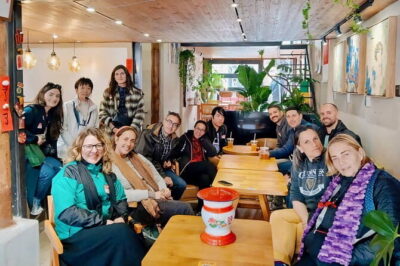
Beijing Historic City Guided Walking Tour + Calligraphy Creation
Read our review →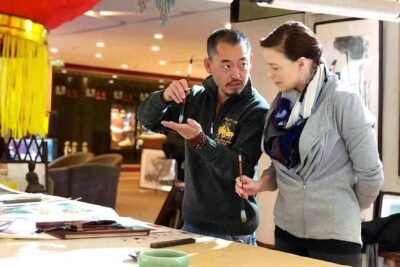
Beijing Wangfujing Calligraphy Class by Forbidden City
Read our review →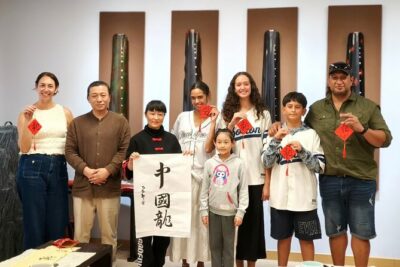
Beijing Culture: Tea Ceremony, Heritage Instrument & Calligraphy
Read our review →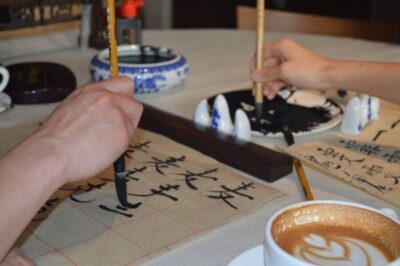
Beijing Wangfujing Calligraphy Class Nearby Forbidden City
Read our review →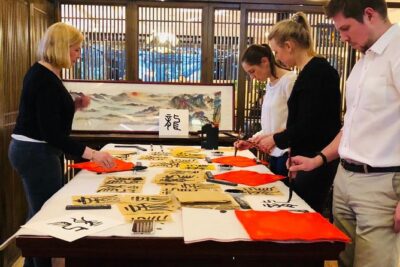
Chinese Tea ceremony in Beijing Hutong courtyard
Read our review →Browse the lists this tour appears in