
Reviewed · TEA CEREMONY AND CALLIGRAPHY WORKSHOPS
Traditional Chinese Tea Ceremony Experience
The best part of this Beijing experience is its close look at tea as a ritual, not just a drink. You smell dry leaves, watch the pot warm, taste several teas, and learn why water temperature and steeping time matter. I like the five mini cups of tea and the clear English explanations from hosts such as Richard Li and Feye. The $9 price is also easy on a sightseeing budget.
I also like that the lesson suits families with children aged seven and up, and that tea masters may help you choose tea to take home. The main consideration is that transportation and a tour guide are not included. Your meeting point can change by booking option, and the experience may last anywhere from 30 minutes to three hours, so check the exact details before you set your day around it.
Key points to know before you book
- Taste five different teas: Expect varieties such as oolong, Pu-erh, green, jasmine, and flower tea.
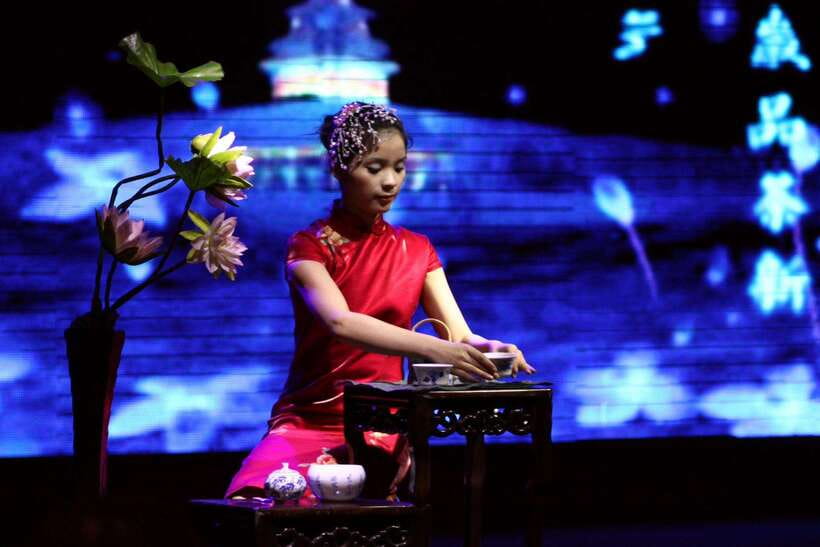
- Watch the full brewing ritual: The tea master warms the pot, measures the process, and serves each cup with care.
- English help is available: Richard Li, Feye, and other hosts have assisted visitors in English, with Russian also available for some bookings.
- The price is unusually low: At $9 per person, this is a modest way to add a cultural activity to a Beijing day.
- Allow for a flexible duration: Options range from 30 minutes to three hours, and the meeting point varies.
- Shopping comes after the lesson: You can buy tea at your own expense, but you are not required to purchase anything.
Why a tea ceremony belongs in your Beijing plans
China is the birthplace of tea, and this small ceremony gives you a more useful introduction than simply ordering a pot at a restaurant. You learn to pay attention to the leaf, the scent, the color, and the way the tea changes after each pour.
That matters because Chinese tea culture is tied to respect, calm, harmony, and social connection. The ceremony makes those ideas visible. A pot is warmed before brewing. Water is handled with care. The tea is poured in a measured way. None of this is difficult, but it asks you to slow down for half an hour and notice what is in your cup.
I like this kind of activity after a morning at major Beijing sights. The Forbidden City can be grand and tiring. A tea room gives you a quieter change of pace, with enough structure to feel meaningful and not so much information that you need specialist knowledge.
The experience is also reasonably priced. At $9, it costs less than many short city activities, and the included tasting gives you a clear sense of what you are paying for. It is not a full Beijing sightseeing tour, though. You are paying for the ceremony and tea, not transport, entrance tickets, or a guide who will lead you around the city.
More tea ceremony and calligraphy workshops in Beijing:
- Beijing Calligraphy Class
★ 4.9 · 112 reviews - Chinese Calligraphy Class for Small Group
★ 5.0 · 104 reviews - Beijing Historic City Guided Walking Tour + Calligraphy Creation
★ 5.0 · 59 reviews
Meeting the tea master in Beijing
You begin at a meeting point that depends on the option you book. This is worth checking carefully. Transportation is not included, and the tea master manager may walk you back to the meeting point after the ceremony, but you should not expect a vehicle transfer.
An English-speaking host or greeter helps you get started. Richard Li has been especially helpful with directions and arrangements, according to the details provided, and Feye has hosted sessions in fluent English with a good sense of humor. Some bookings may feature another tea master, including Kostya for Russian-speaking visitors.
You are asked to leave a WhatsApp number when booking. That is a practical step, since the meeting point may vary and your host may need a simple way to reach you. I would also save the meeting details offline and allow extra time for finding the location, especially if this is your first activity in Beijing.
The experience can be short or much longer. The stated range is 30 minutes to three hours, which suggests that the exact booking option matters. A basic ceremony may fit neatly between sightseeing stops. A longer option may include added activities, but you should confirm what your chosen time includes rather than assume every booking has the same program.
The opening ritual: warming the pot and reading the leaves
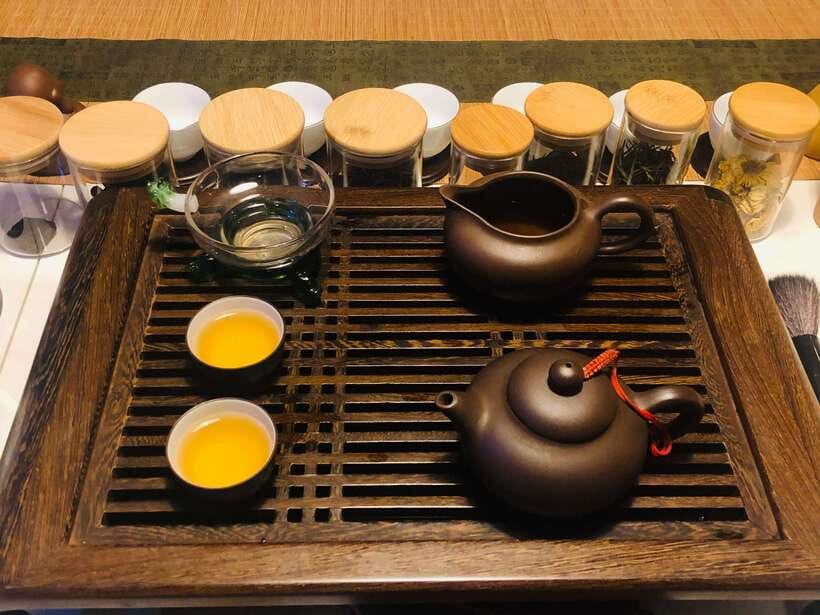
The ceremony begins with the tea master introducing the process. This is not simply a tasting where cups appear one after another. You watch the preparation from the start, including the warming of the teapot and the handling of the leaves.
You may first smell the dry tea before water is added. That simple step helps you notice how much the scent changes once the leaves open. It also gives the tea master a natural way to explain the difference between types of tea without turning the session into a lecture.
The emphasis is on proper brewing. Water temperature affects the result, and steeping time changes the strength, aroma, and character of the tea. The tea master demonstrates these points rather than leaving you with abstract advice.
This makes the ceremony useful for beginners. You do not need to know the difference between oolong and Pu-erh before you arrive. You can taste, compare, and ask questions as the session moves along. The explanations are intended to be clear and approachable, not aimed at tea professionals.
Five cups, several styles of Chinese tea
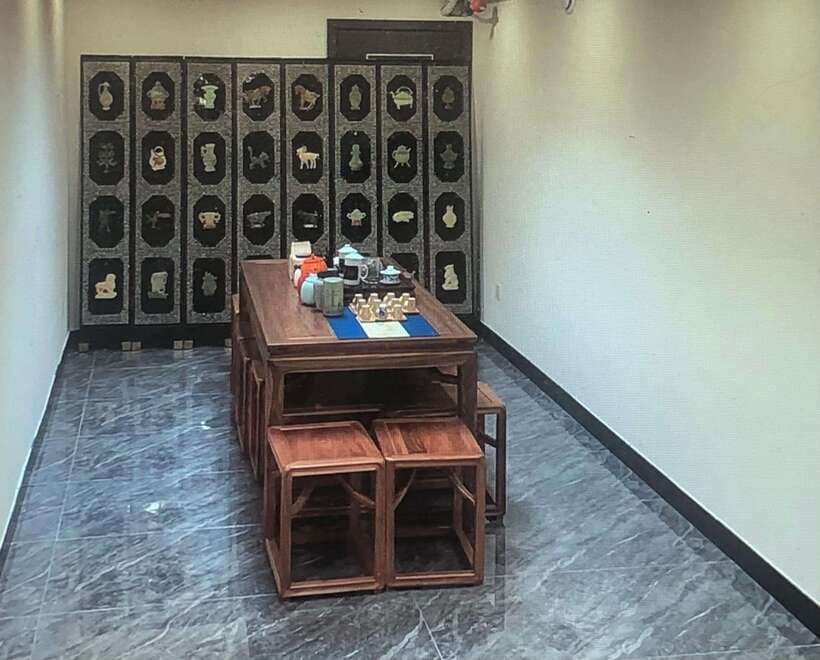
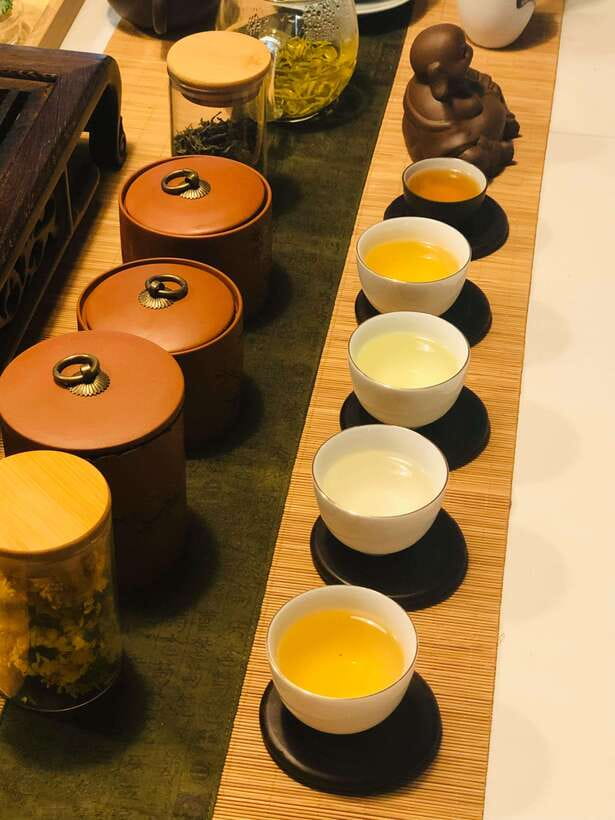
The included tasting is five mini cups of tea. The selection may include oolong, Pu-erh, green tea, jasmine tea, and flower tea. The exact order or selection is not guaranteed, but the range gives you several very different styles to compare.
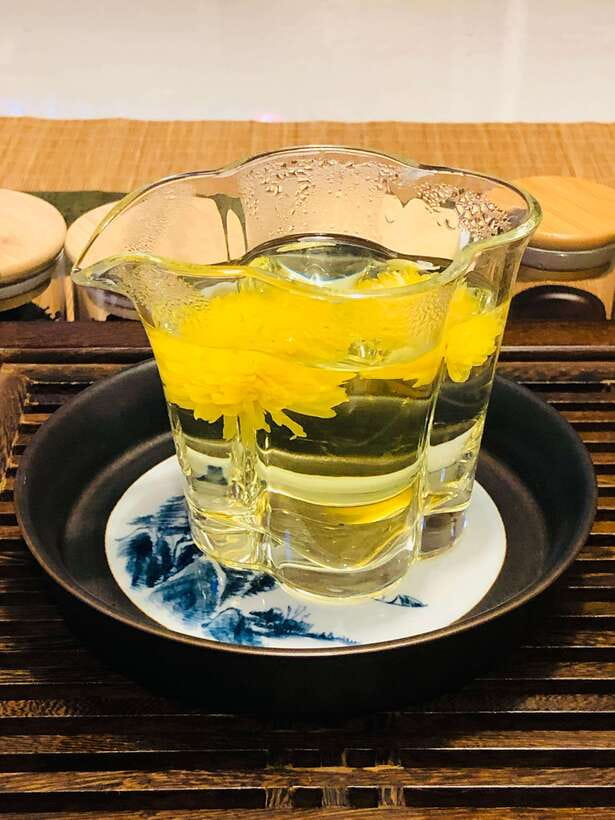
Green tea gives you a chance to notice a lighter, more delicate profile. Jasmine tea adds a floral scent, while flower tea makes the presentation part of the experience. Oolong and Pu-erh provide a useful contrast, showing how tea can have a fuller or more developed character.
Small cups are a good choice for this format. You can taste more than one kind without becoming overloaded, and the tea master can keep the focus on comparison. You are not sitting down for one giant pot of a single tea. You are trying several styles in a controlled sequence.
Some sessions include six teas, according to the experience details provided by visitors, while the standard inclusion says five mini cups. I would treat five as the reliable expectation and regard any extra tasting as a pleasant bonus.
The ceremony engages more than taste. You watch the color of the liquid, smell the leaves, and notice the physical rhythm of pouring and serving. That is why this activity can work well for children aged seven and older, provided they are interested in a calm, hands-on cultural lesson.
A completely different kind of day in Beijing:
- From Beijing: Mutianyu Great Wall Tours with Options
★ 4.9 · 9,216 reviews - Beijing: Forbidden City Tour(Group/Private)-Tickets Included
★ 4.8 · 7,974 reviews - Beijing: T-Square & Forbidden City Group or Private Tour
★ 4.8 · 4,446 reviews - All-Inclusive Tour: Tiananmen Square, Forbidden City, Great Wall
★ 5.0 · 2,873 reviews
What the English explanations add
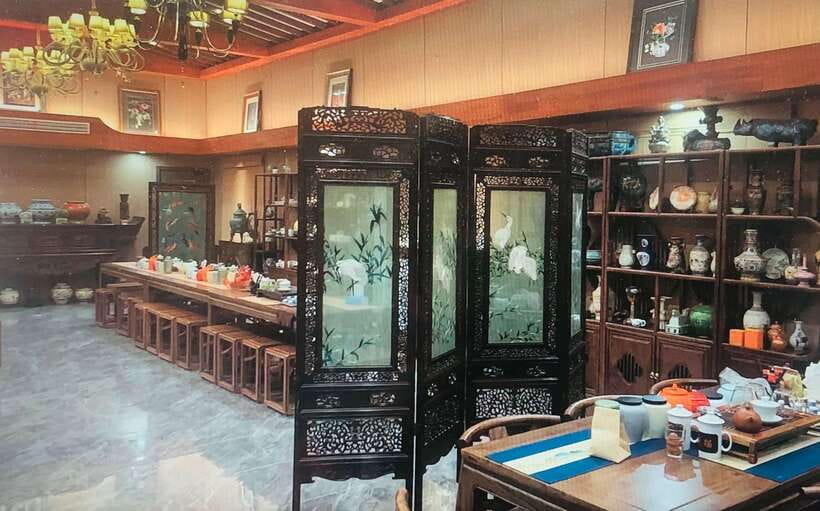
Language can make or break a short cultural activity. Here, the host or tea master is listed as English-speaking, and several named hosts have been praised for fluent, detailed explanations. That is important in Beijing, where a basic sightseeing stop may not give you much chance to ask questions.
Richard is associated with clear help before and after the ceremony, including directions from the meeting point. Feye has hosted an English-language session covering Chinese tea with humor and useful background. Other tea masters may lead your booking, so the exact personality and presentation can vary.
I would expect the core lesson to remain the same: tea types, leaf quality, water temperature, steeping, and serving. The amount of conversation may depend on your group and the time option. If you enjoy asking questions, this is the right place to ask how to brew a tea at home or how one tea differs from another.
The tone appears friendly rather than formal. Hosts have helped late arrivals and, in some cases, offered small welcome gifts or souvenirs. Those extras are not part of the guaranteed inclusion, so consider them goodwill rather than something to book the activity for.
Shopping for tea after the ceremony
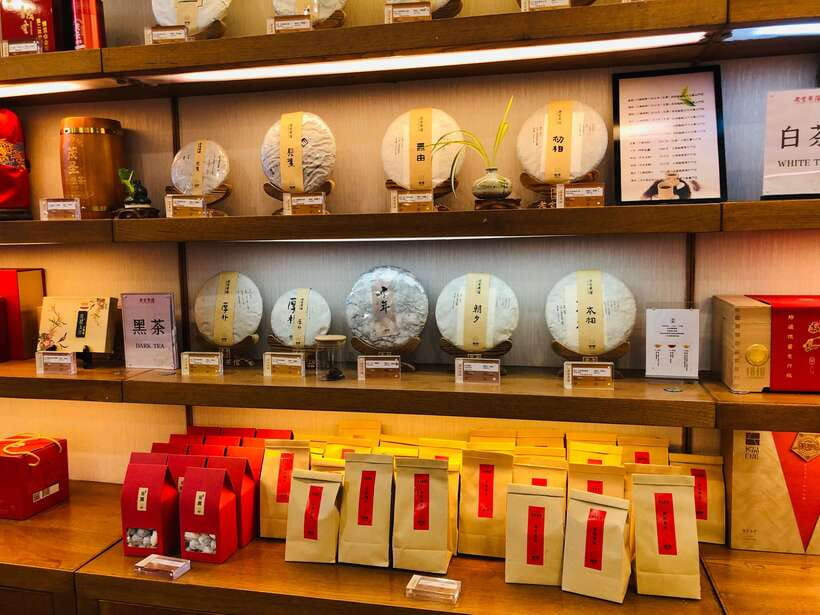
After tasting the teas, you have the option to buy some for home. This is a sensible point in the program because you first learn what you are tasting. You can choose based on scent and flavor instead of buying a sealed package at random.
A tea master may help you select something suitable, and tea, porcelain, and other Chinese items may be available in the shop. One account describes a tea house with high-class teas and Chinese porcelain, while another notes buying tea with the expert’s help.
Keep the shopping optional. The activity includes the ceremony and five mini cups, not a tea purchase. You should feel free to enjoy the lesson and leave without buying anything. If you do purchase tea, ask about the variety, brewing instructions, and quantity so you understand what you are taking home.
This is also where the $9 price needs a little context. The entry cost is low, but the provider may naturally invite you to browse products afterward. That is not unusual for a tea house. Decide your budget before you arrive, and treat any purchase as separate from the activity fee.
Extra calligraphy and food activities
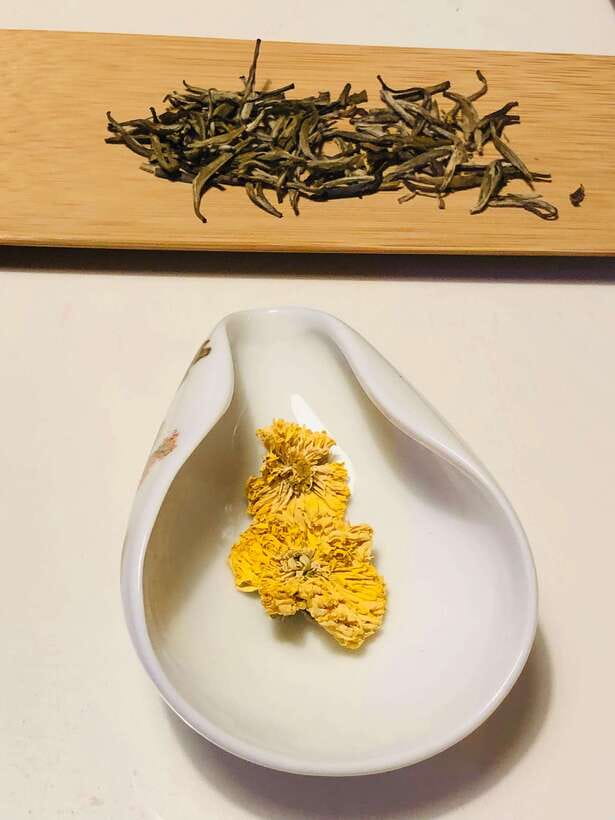
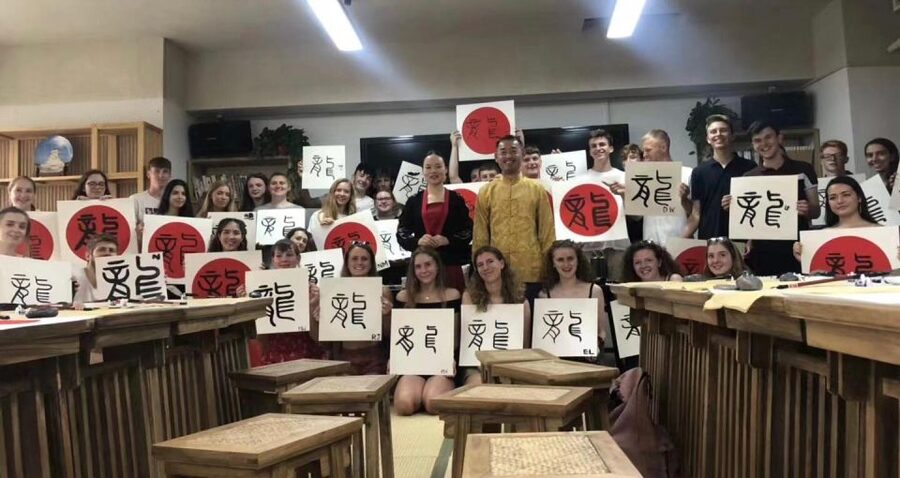
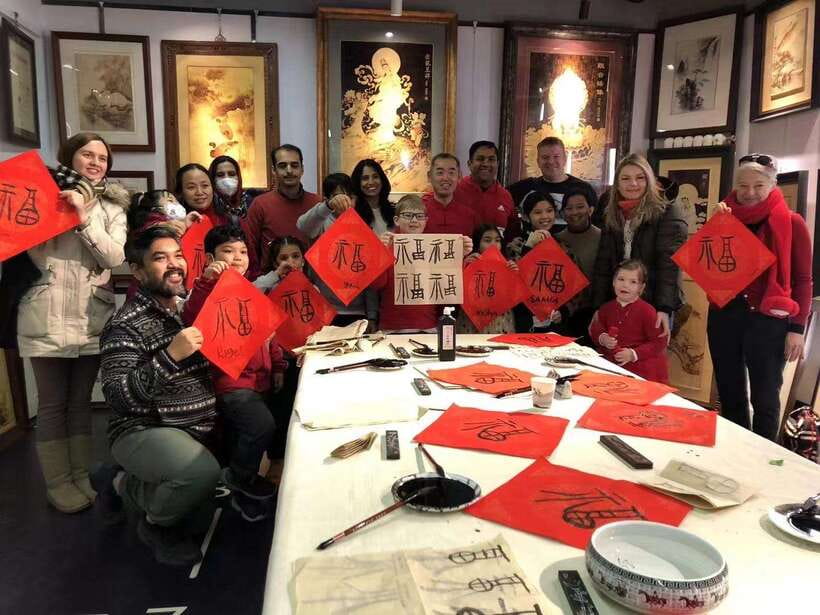
Some experiences connected with the tea session have included calligraphy, a dumpling lunch, or a typical Beijing food activity. Calligraphy has been led by a separate master and can turn a short tea visit into a broader cultural afternoon.
Those additions are not clearly part of every tea ceremony option. Do not book the basic tea experience assuming that lunch or calligraphy is guaranteed. Check the selected option and duration if those activities matter to you.
If your booking does include them, they may explain why one option lasts much longer than 30 minutes. A simple tea tasting and a combined food or calligraphy program are very different uses of your afternoon.
How much time should you allow?
The published duration ranges from 30 minutes to three hours. That is a large spread, so I would plan by the exact option rather than by the headline range.
For a short session, allow time to reach the meeting point and settle in before the first pour. The ceremony itself may be easy to fit after a museum visit or before dinner. For a longer option, leave room for possible add-ons such as calligraphy or food, if they are included in your chosen booking.
Do not schedule a major timed attraction immediately afterward unless you have confirmed the end time. A late arrival has been accommodated before, but kindness from the host is not a substitute for planning. Arrive at the stated meeting point on time, and keep your WhatsApp available.
Because there is no included transportation, your travel time is your responsibility. The host may walk you back to the meeting point, but that does not replace getting to the start or continuing to your next stop.
Who will enjoy this activity most?
I would recommend it to first-time visitors who want a cultural activity with a small price tag and little physical effort. It gives you something to do beyond Beijing’s large monuments, and it helps explain a part of daily Chinese life that you might otherwise miss.
It suits adults who enjoy food and drink, as well as children aged seven and up who like tasting, watching demonstrations, or trying a new custom. One family brought children aged 10 and 13, and both were pleased with the activity.
It is not suitable for children under seven or pregnant women, according to the stated restrictions. The ceremony also may not suit someone looking for a fast sightseeing stop with no conversation or shopping component.
If you already know a great deal about Chinese tea, the basic session may feel introductory. Its value is in the presentation, comparison, and chance to ask questions, not in advanced certification or a long technical course.
The $9 question: is the value good?
At $9 per person, the value is strong if you want a short cultural lesson and five tastes of tea. The cost includes the ceremony and five mini cups, while transport, a guide, shopping, and other expenses remain separate.
That low price also means you should keep expectations sensible. You are not buying a private Beijing tour or a full meal. You are buying a focused tea-house experience with an English-speaking host or tea master.
The strongest value comes from combining it with nearby sightseeing. I would use it as a calm break after a major attraction, not as the main event of an entire day. If you choose a longer option with other activities, check the price and inclusions separately.
Free cancellation up to 24 hours before the activity and the option to reserve now and pay later make planning easier. Still, read the exact meeting and duration details before confirming, since options can differ.
Should you book the Beijing tea ceremony?
Book it if you want an affordable, friendly introduction to Chinese tea, especially if English explanations matter to you. The five-tea tasting, careful brewing demonstration, and chance to ask questions give the $9 fee real value.
I would choose it for a relaxed afternoon after the Forbidden City or another demanding sight. I would also book it for a family with older children, as long as everyone can manage a calm ceremony and the children are at least seven.
Skip it if you need transportation, a full city guide, or a guaranteed lunch and calligraphy lesson. Also skip the basic option if tea tasting does not interest you. For most visitors, though, this is a practical way to slow down, learn how tea is served, and leave Beijing with a better understanding of an everyday tradition.
FAQ
How much does the traditional Chinese tea ceremony cost?
The listed price is $9 per person. Tea shopping and any expenses not specifically included cost extra.
How long does the tea ceremony last?
Available options range from 30 minutes to three hours. Check the exact duration for the option you choose.
How many teas are included?
The standard inclusion is five mini cups of tea. Possible varieties include oolong, Pu-erh, green tea, jasmine tea, and flower tea.
Is the experience conducted in English?
Yes. The host or greeter language is English, and English-speaking tea masters are available. Some sessions may also have a Russian-speaking tea master.
Is transportation included?
No. Transportation is not included, and there is no tour guide included. The meeting point can vary by booking option.
Can I buy tea after the ceremony?
Yes. You may purchase tea at your own expense after the ceremony. Buying tea is optional.
Can children join the tea ceremony?
Children under seven are not suitable for this activity. Children aged seven and older may participate, subject to the booking conditions.
Just added around Beijing
- Xian: Must see Eternal Love or Camel Bell Legend show Ticket★ 5.0 · 3 reviews
- 2-Day Beijing Must-See Tour:4 UNESCO Sites+Tian’anmen&Hutong★ 5.0 · 4 reviews
- Beijing: 2-Day private Tour with Great wall& Forbidden city★ 5.0 · 5 reviews
- Xian: Bus Tour of Terracotta Warriors With Guide & Lunch★ 4.2 · 5 reviews
- Private Transfer to Mutianyu Great Wall with professional driver★ 5.0 · 19 reviews
- Twilight Glow at Badaling Great Wall Evening Bus Tour+Ticket★ 4.9 · 11 reviews
- Yuxiandu Chinese Royal Cuisine Museum with Show and Royal Banquet★ 5.0 · 4 reviews
- ZANBUS: Trip to the Jinshanling Great Wall Departing at 7:30 AM★ 5.0 · 5 reviews
Tea Ceremony and Calligraphy Workshops, compared.
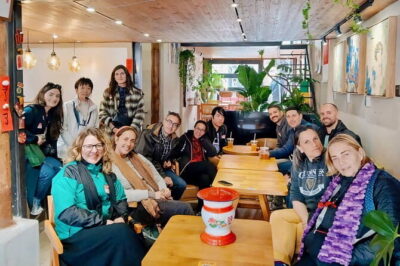
Beijing Historic City Guided Walking Tour + Calligraphy Creation
Read our review →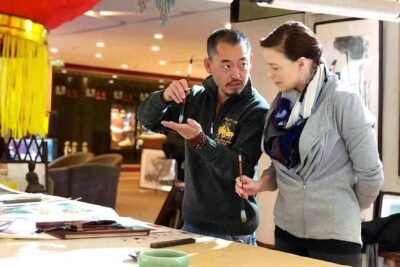
Beijing Wangfujing Calligraphy Class by Forbidden City
Read our review →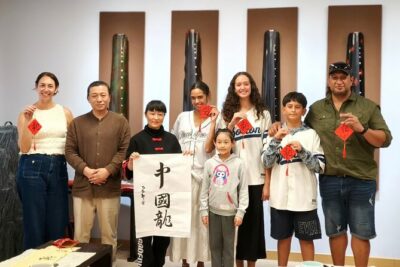
Beijing Culture: Tea Ceremony, Heritage Instrument & Calligraphy
Read our review →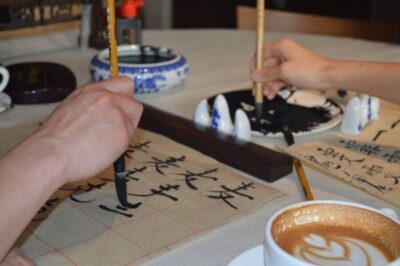
Beijing Wangfujing Calligraphy Class Nearby Forbidden City
Read our review →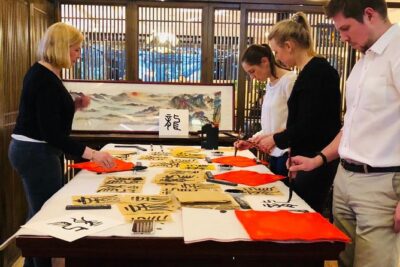
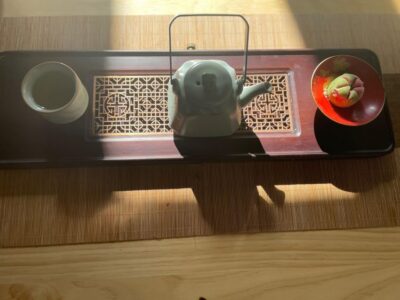
Chinese Tea ceremony in Beijing Hutong courtyard
Read our review →Browse the lists this tour appears in